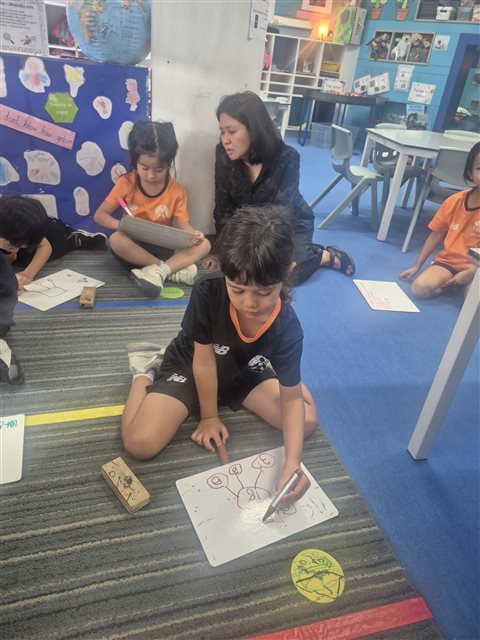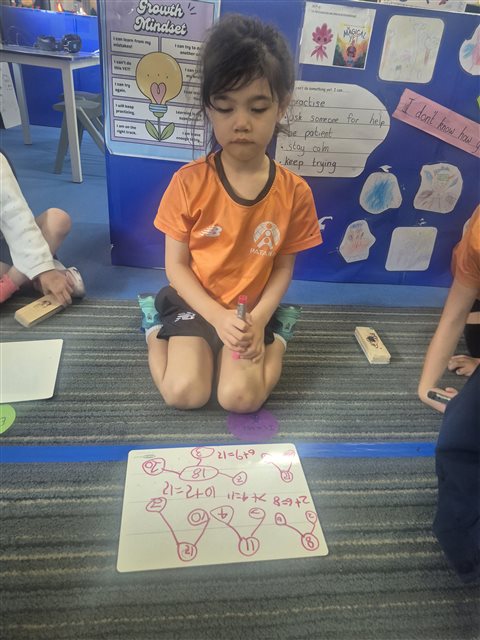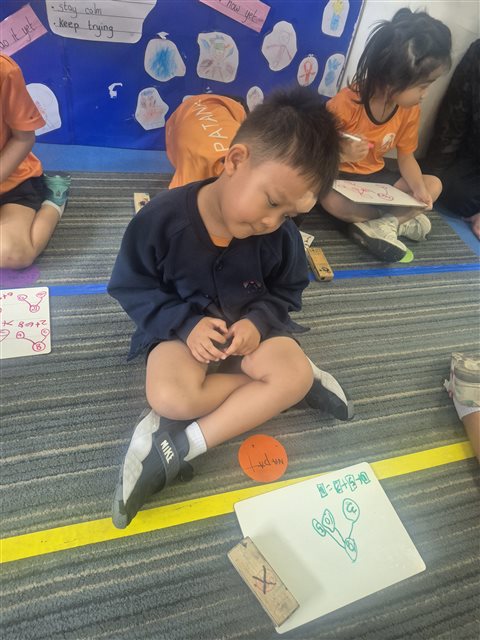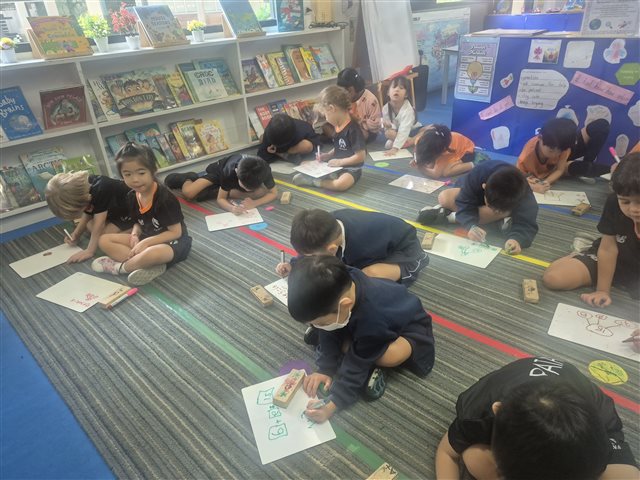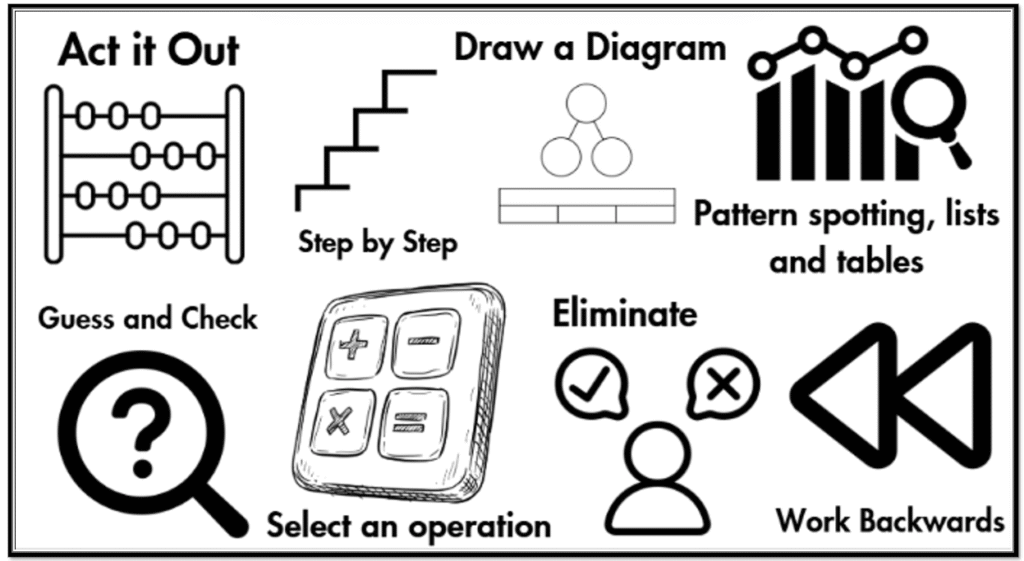
This term we’re introducing a new approach to teaching problem solving in maths. Our aim is simple: to help children think deeply, talk about their ideas, and enjoy working with numbers.
What Will this Look Like in Class?
We’ll begin with short activities that get children talking. For example, they might look at a picture and share what they notice. These conversations help them see maths in everyday life and use clear language to explain their thinking.
We’ll also use tasks like Odd One Out and Explain. In these, children share their opinions and listen to others. Children will learn that there isn’t always just one “right way” to solve a problem.
The Big Change – Draw A Diagramme
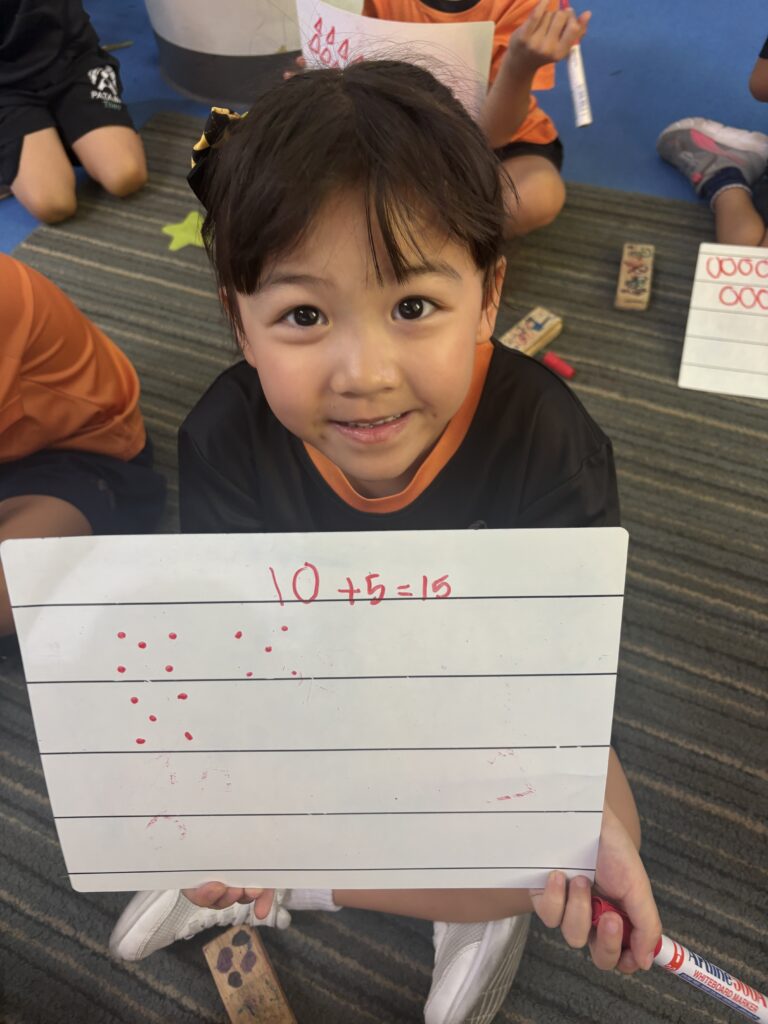
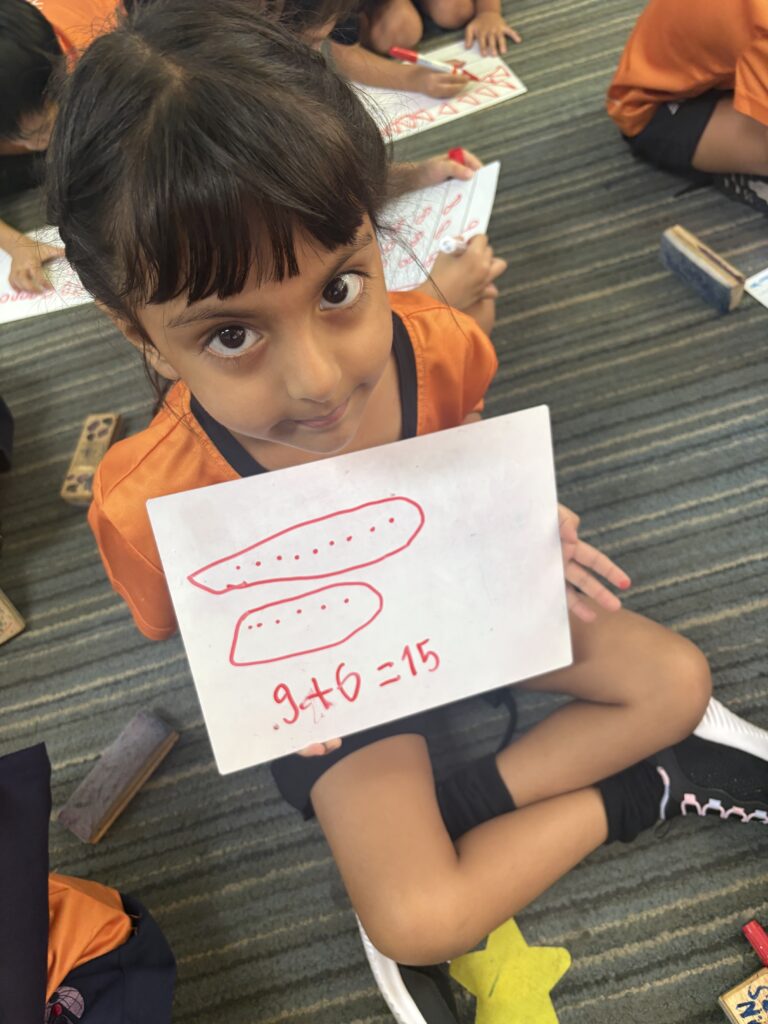
This is at the heart of our new approach. When children meet a problem, we’ll ask them to draw a picture to show what is happening. For example, if the question is about sharing apples, they might draw the apples and the people.
Drawing helps children see the maths and understand the situation before they work out the answer. It’s a simple but powerful way to make tricky ideas clearer.
Learning From Mistakes
We’ll also look carefully at mistakes. Activities like Explain the Mistakes and Which Answer? help children understand why an answer is correct or not. This builds confidence and clears up misunderstandings.
Thinking Creatively
Finally, we’ll challenge children to think creatively. Tasks such as How Many Ways?, Explore and Extend give them the chance to find different solutions and notice patterns. This makes maths more exciting and helps them become flexible, confident thinkers.
Why Does this Matter?
Problem solving is not just about getting the right answer. It’s about understanding ideas, asking questions, and explaining reasoning. Draw It Out gives children a practical tool to make sense of problems and share their thinking with others.
How Can You Help at Home?
When your child is solving a problem, you could ask:
• Can you draw it?
• How do you know?
• Can you find another way?
These questions match the language we use in class and support the same way of thinking. Have fun problem solving!