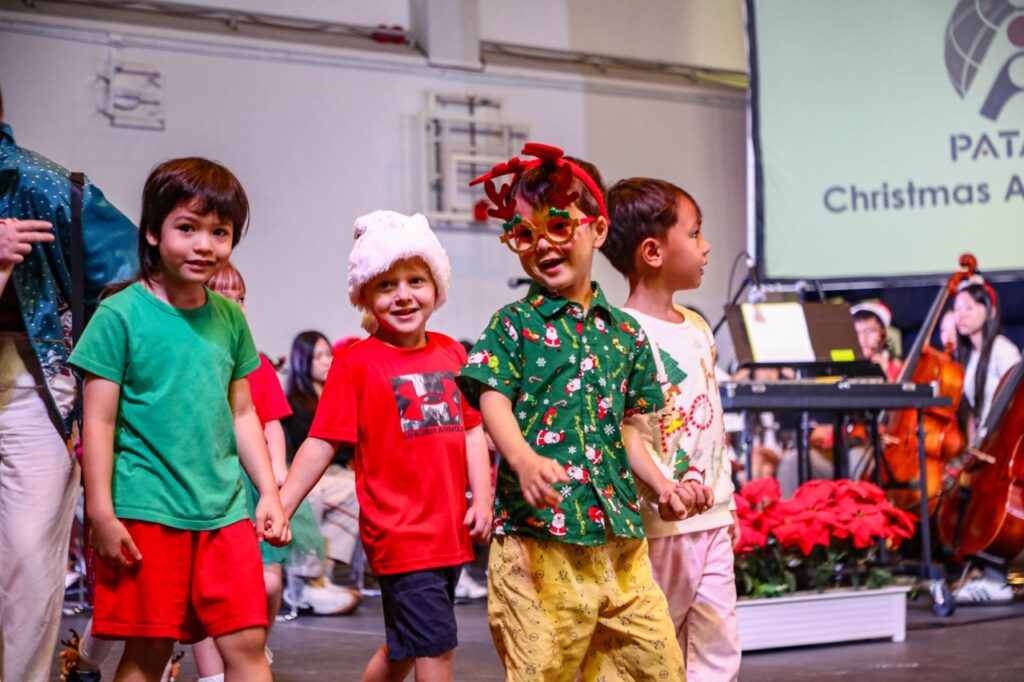
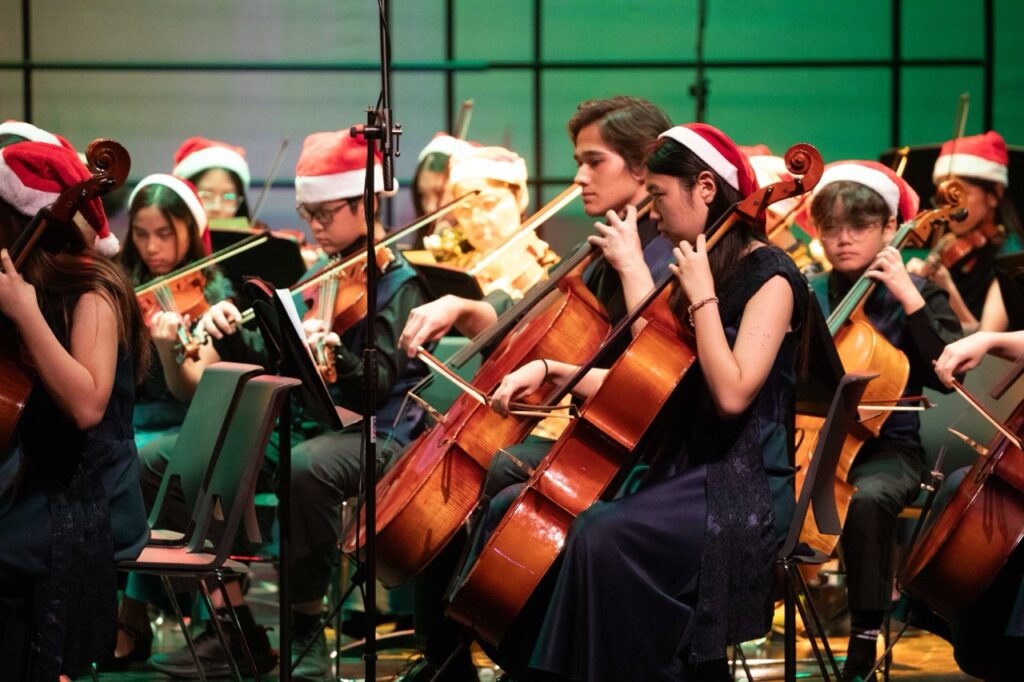
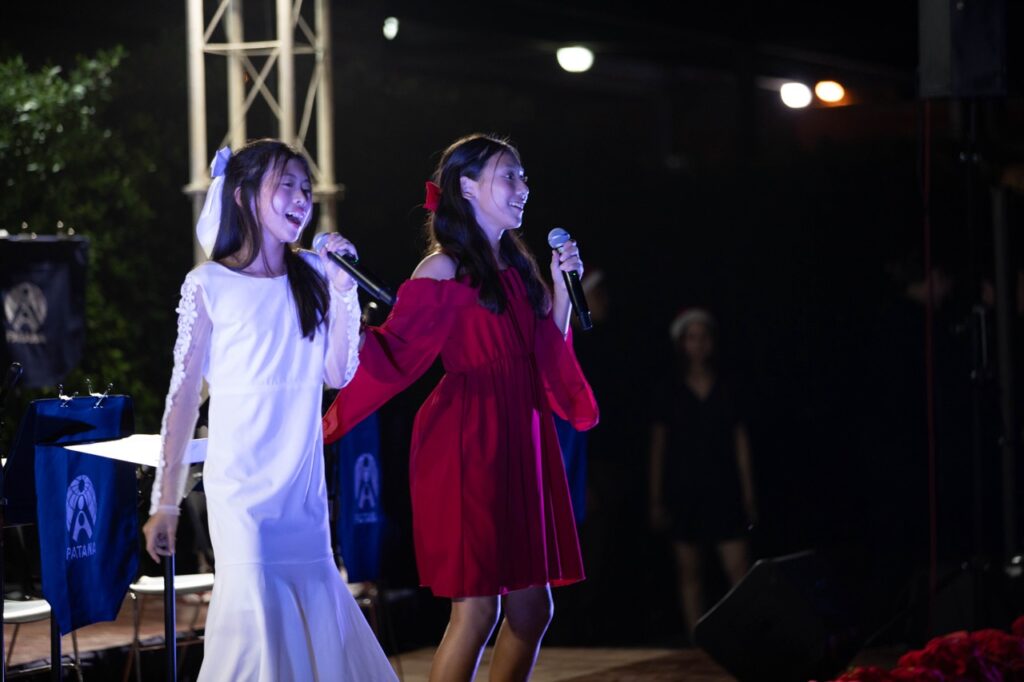
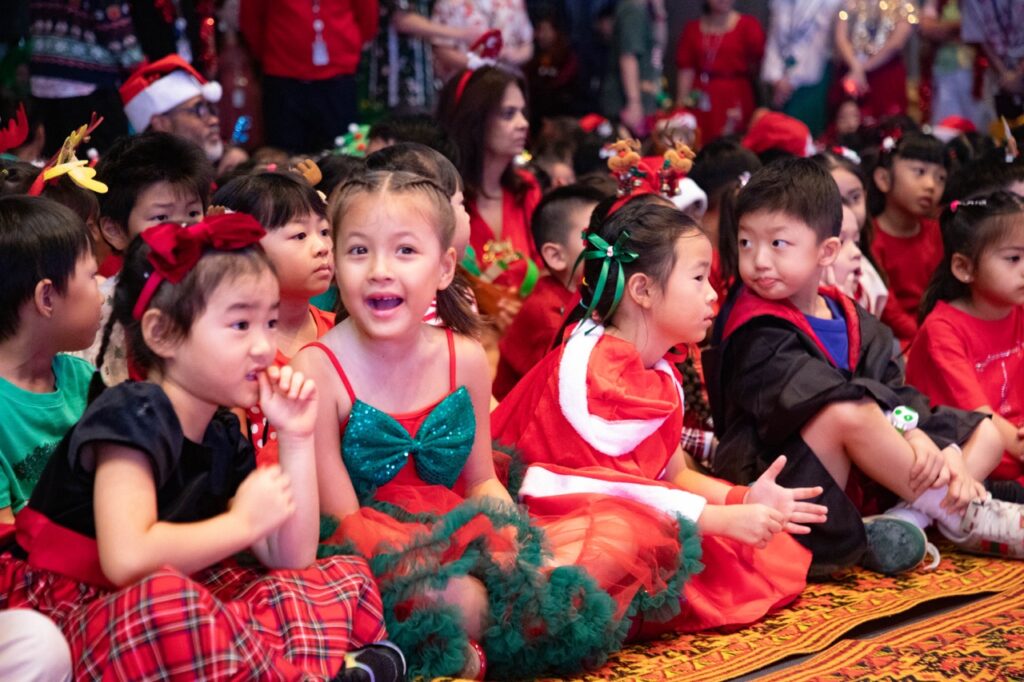
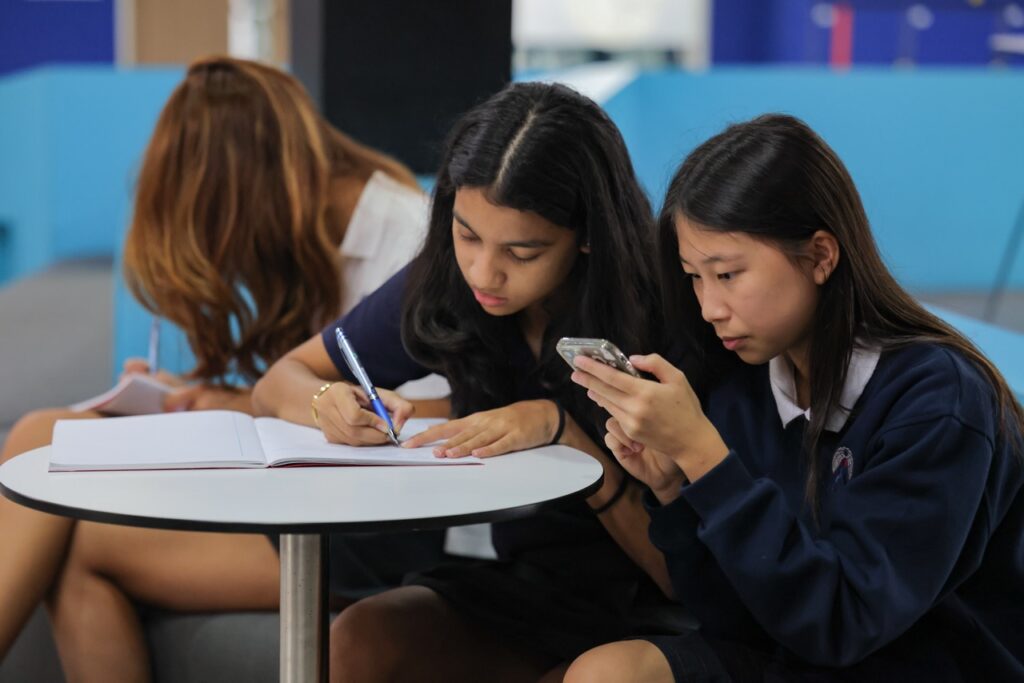
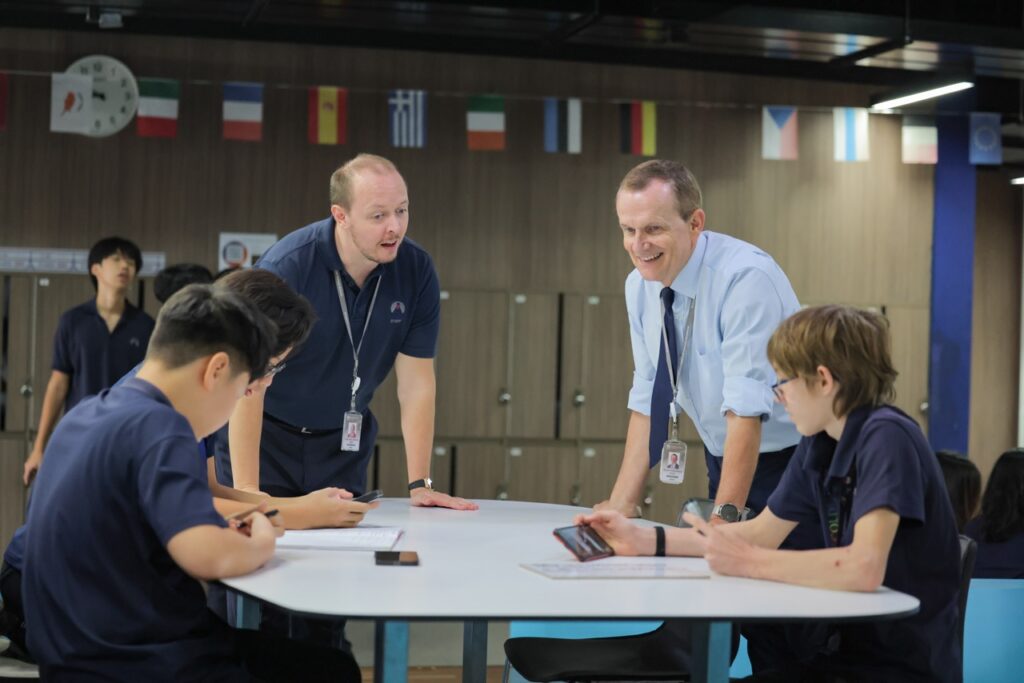
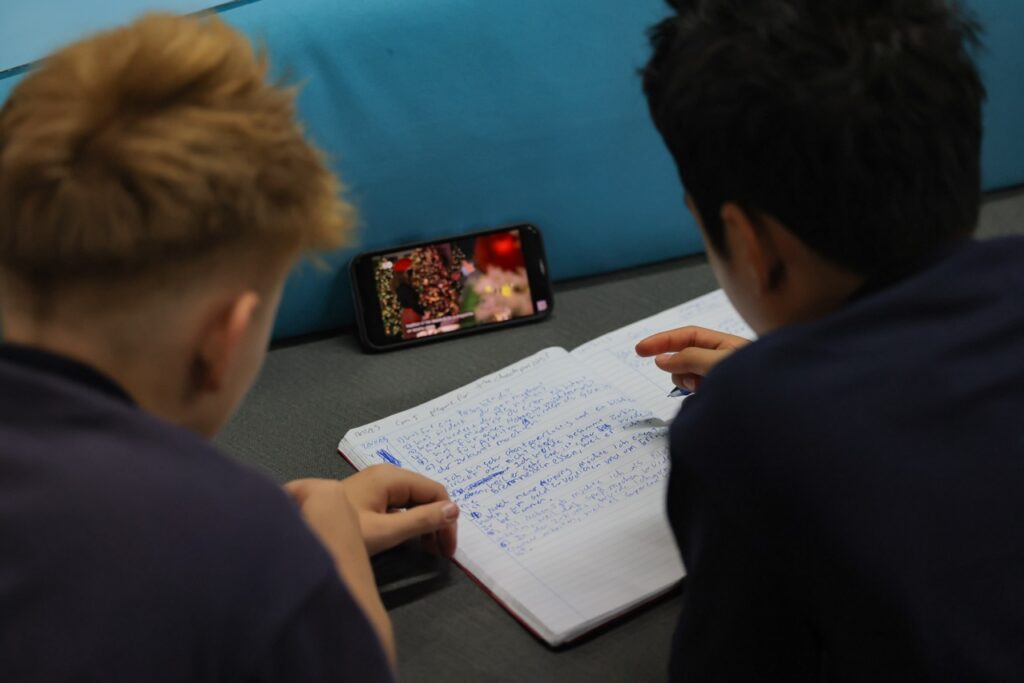
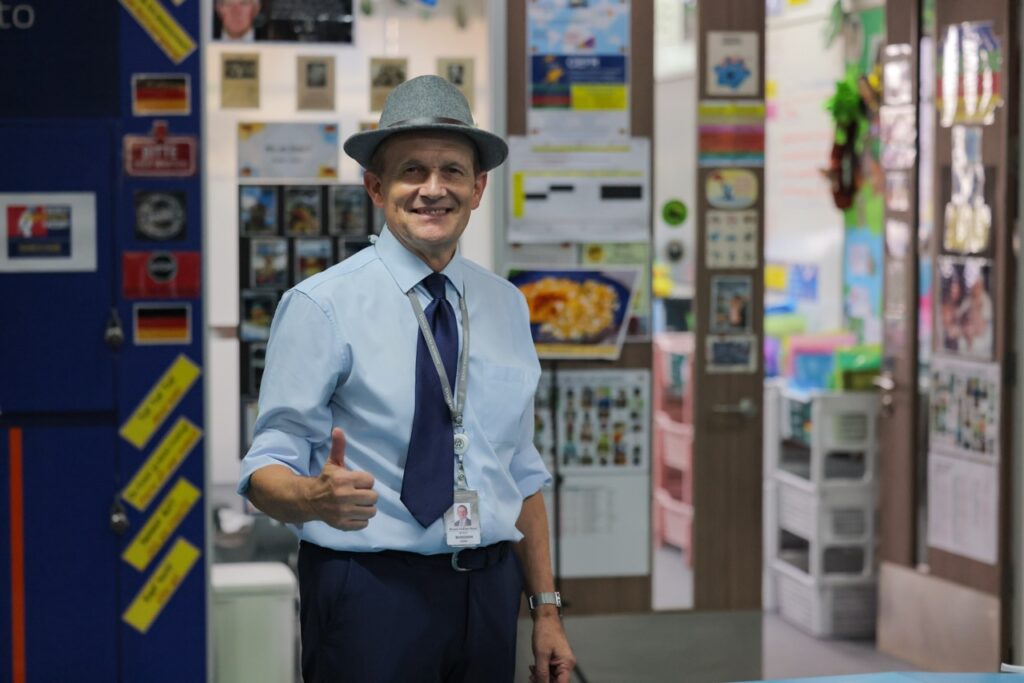
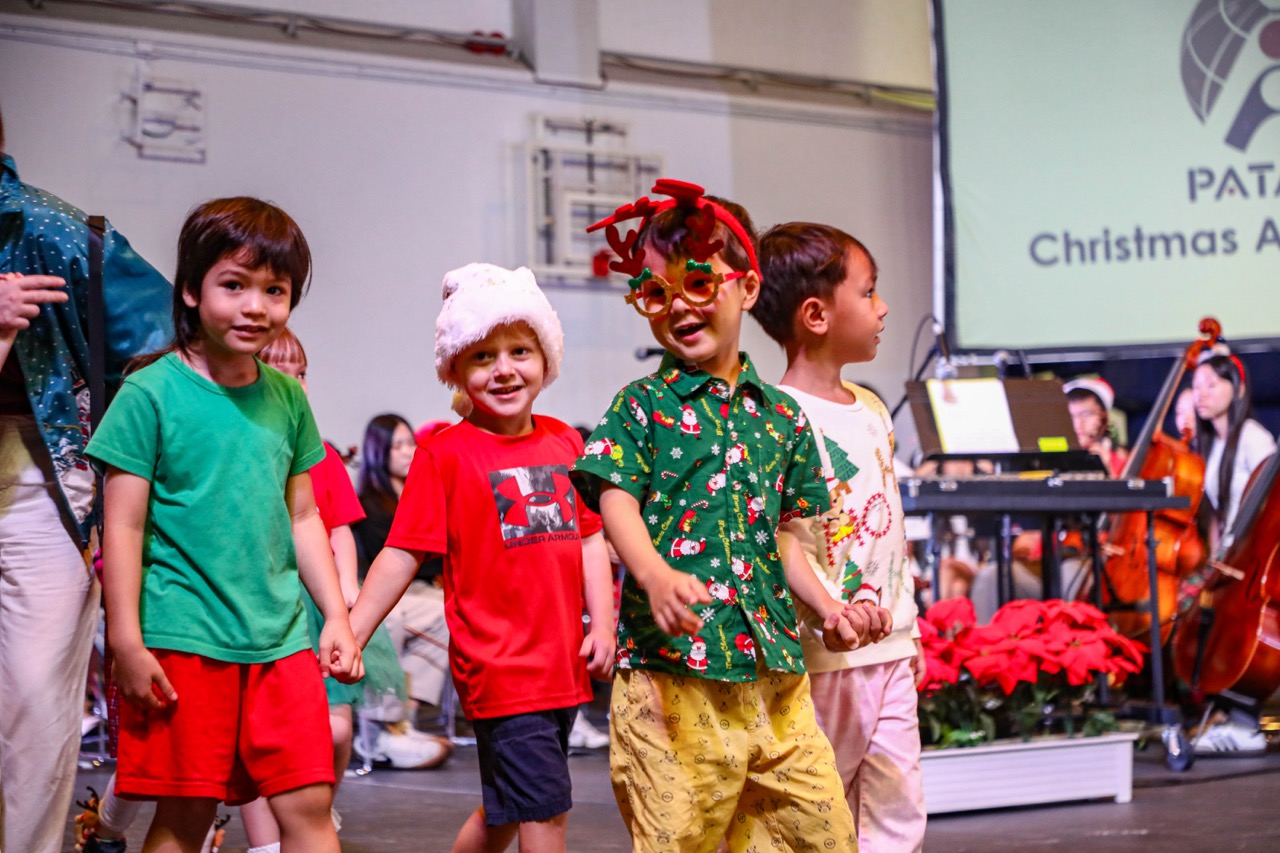
In a British international school, the choice of festivals can feel misplaced if they don’t belong to your culture. The Christmas festival at Bangkok Patana has existed since the school was first established; the tree, decorations and end of term assembly creating a way to bring us all together before we depart for a term break. A more universal question is why humans make festivals with traditions, stories, trees and rituals at all?
In September this year, a groundbreaking study published in the Journal of Family Psychology (PMC12455116) highlighted that rituals and shared traditions are powerful protective factors. Harvard and Cornell authors examined data which explores social connection in our lives and the chemical changes that occur in our bodies. It’s a complex read with a simple summary: that sustained access and engagement with diverse social interactions contributes to slower ageing and better health.
In other words, rituals of international communities are not just nice—they help humans feel connected, safe and hopeful. Whether it’s decorating a tree, baking cookies, going for festive food or creating a new tradition in the month of December to suit our climate, these collective moments matter. The paper is deep and full of fascinating science which tries to make objective sense of feelings. It belongs to the study of epigenetics; a relatively new field that explores how chemicals inside our body’s cells control our genes. These ‘epigenetic markers’ change in response to our environment and help our body become stronger. Other times, they can be changed to create harm in the body through inflammation or disease.
The smart watches which track sleep, heart rhythms and daily steps to optimise our health can tell us we are in the best of physical shape. However, this groundbreaking study explains how people with strong and deep social relationships are happier overall AND their cells look younger under a microscope. Who knew the fight against ageing is simply being in community and enjoying the moment?
Wouldn’t it be interesting if there was an icon on the Apple or Garmin watch to measure the depth of how connected we feel to each other. Even more interesting if the icon changed in response to things we did throughout the day. Imagine having a ‘ring to close’ or a ‘kindness counter’ to reach daily targets based on how many acts of kindness you complete. Until the technology arrives, just manifest that kindness counter on your wrist-watch and think about what it takes to move the dial or close the loop at the end of each day…..imagine where the world might be with just one more act of kindness from us all. If you are short of ideas:
Eat Together Shared meals improve communication and emotional wellbeing. Even one meal a day together makes a difference.
Play and Laugh Board games, charades, or harmless jokes trigger oxytocin and reduce stress for everyone.
Create Tech-Free Moments Research shows uninterrupted time strengthens bonds and lowers anxiety. Put phones aside for an hour.
Share Traditions or Make New Ones Decorating, baking, or singing together creates lasting memories and a sense of belonging—key factors in resilience.
Connect with the person you haven’t got round to meeting up with – they’ll be so glad you made the first move.
Bonus: share the most generous message of acceptance and forgiveness to somebody you think has wronged you.
What the Harvard paper tell us is that without doing exercise, reaching our step count or avoiding tempting food snacks, kindness and presence itself will literally make our cells look younger under a microscope. Just a few moments at the Christmas Concert and our fun last day assembly will fill you with youthful joy for the rest of the year. Thank you to the team and young people that have worked so hard to give us the gift of this year’s performance.
May this holiday season bring you inner peace, joy and hope to your homes and family. Thank you for your contributions to the Bangkok Patana community as a place of care, learning and fun.
This month’s theme: Giving, Generosity and KindnessThis month’s theme celebrates giving, generosity and kindness, perfectly timed for the festive season […]
Secondary School photos: 29th January – 6th February;Foundation Stage photos: 5th – 6th February This year school photos will be […]
Clean Air, Clear Message: Sam Michael’s Advice for Future Professionals
By Jynna Wongswan and Jira Wongswan, Year 12
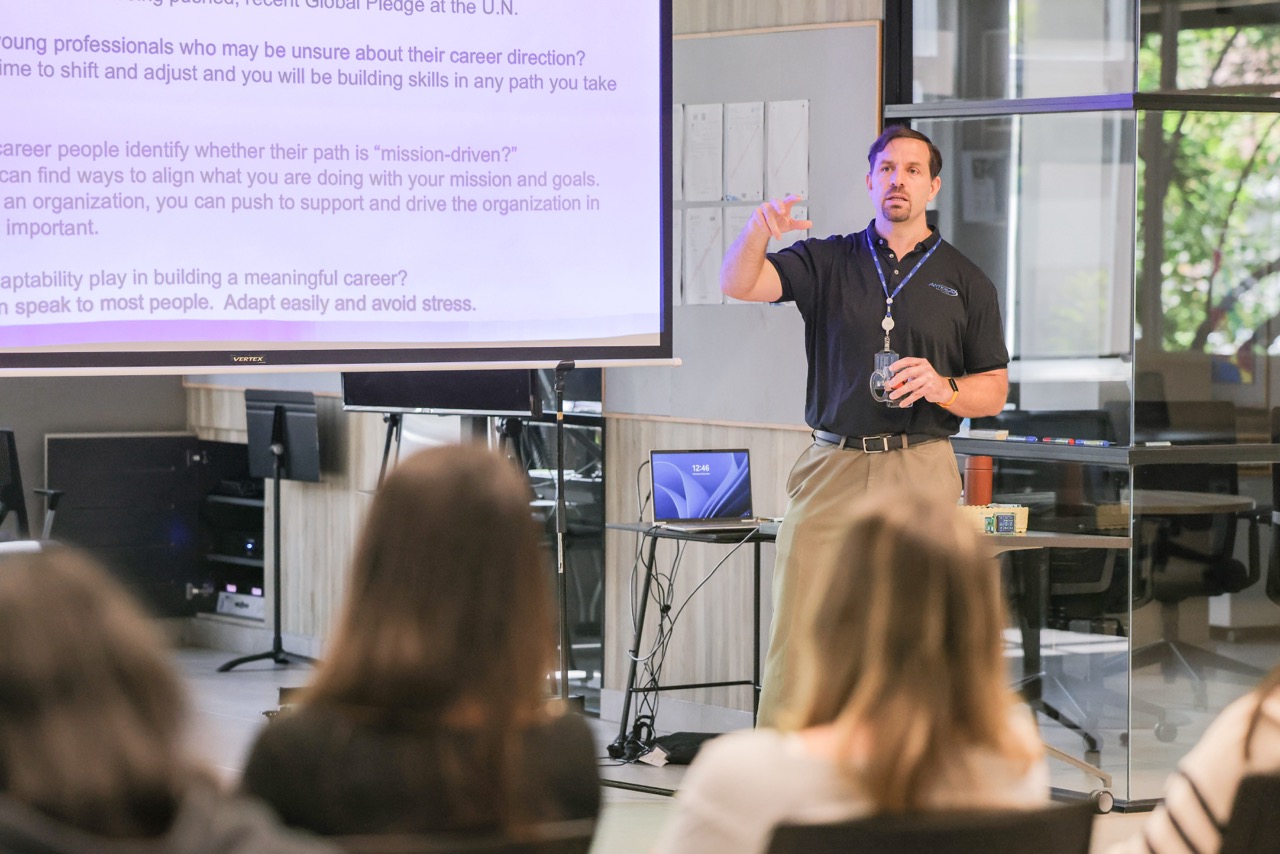
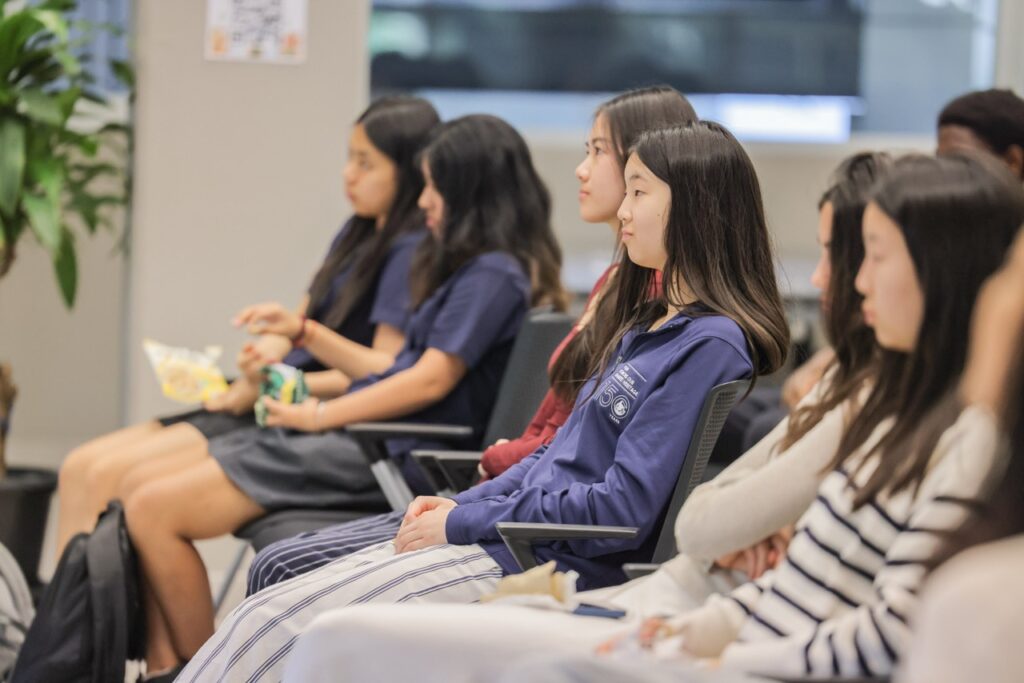
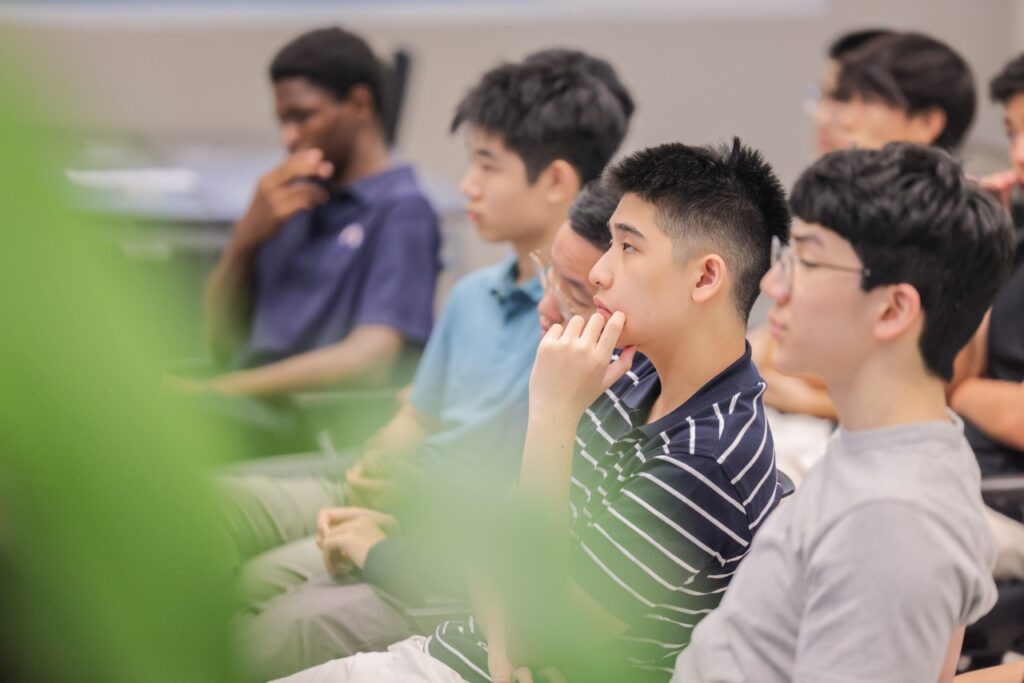
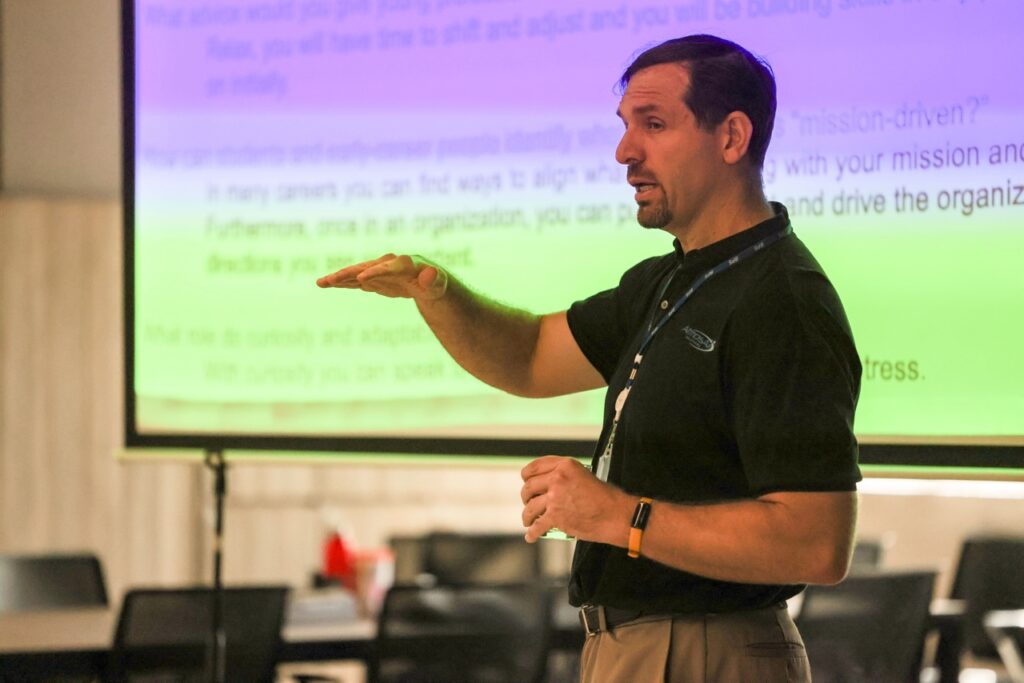
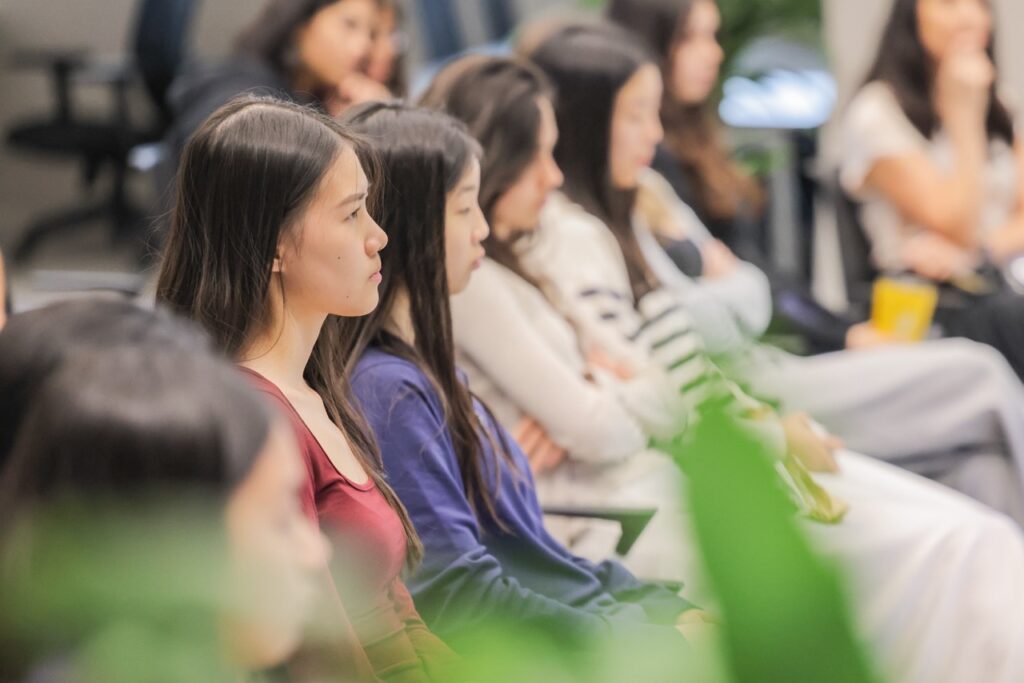
SWENext invited Mr Sam Michael to speak about clean air. Mr Michael has studied and worked in Asia for over 20 years and is the Vice President and General Manager for AtmosAir Asia; he leads sales and operations, developing and implementing indoor air purification projects throughout the Asia Pacific region.
From this talk on his experience getting into the clean air field, students gained many insights into the hard work and importance of clean air. A memorable moment was his explanation for why clear air was such a necessity: breathing in dust-ridden air was comparable to drinking water that was a little bit dirty. This made us realise that there has been very little emphasis on the importance of clean air to communities, especially those more prone to reactions from the dust, pollen, etc.
Previously working in real estate, we found that his passion for indoor clean air management began later in his life. Outside his office doors, his interest expanded by working in his backyard with friends on how to manage methane – a notoriously known and potent greenhouse gas.
One of the many takeaways from his talk was about the importance of being a technical communicator. Mr Michael described how it is similar to a Venn Diagram: one half is the technical side, and the other half is the communication side. On the technical side, you need to know the underlying knowledge of ‘how’ (e.g. How the air filters from AtmosAir Asia clean the different particulate matter in the air). On the communication side, you need to be able to effectively tell clients about this, sell the product and convince them you know what you are talking about.
Overall, I think the audience learnt a lot more about the real world of engineering and business, and everyone had their own personal life lessons from this talk. Thank you, Mr Michael!
This month’s theme: Giving, Generosity and KindnessThis month’s theme celebrates giving, generosity and kindness, perfectly timed for the festive season […]
In this month’s episode of the Patana Pod, we sit down with Chris Walsh, our new Assistant Leader of Primary […]
Diversity Digest: Bodhi Day
Diversity Digest is a weekly reflection written by staff from different areas of our school
Bodhi Day
Have you noticed Bodhi Day in our calendar this month? It acknowledges something at the very heart of Buddhism: the moment Siddhartha Gautama finally found what he’d been searching for.
His search began when he was a super-rich prince who realised that despite all his riches and power, he was still suffering. When he looked around him, he saw that everyone else, every single person, was suffering too. So, he left the palace in what is now Nepal and spent years searching for true happiness. He eventually sat down under a fig tree and stayed there, meditating, until he finally understood. That moment of enlightenment turned him into the Buddha. The tree became known in English as the Bodhi tree, which is why many Buddhists around the world celebrate Bodhi Day.
If you’re in Japan, China, Korea or Vietnam, you’ll find Bodhi Day marked on December 8th, or sometimes on the eighth day of the twelfth lunar month. Here in Thailand, though, Bodhi Day is not often celebrated, as the Buddhist tradition is slightly different. Most Thai Buddhists celebrate Visakha Bucha instead, which rolls the Buddha’s birth, his enlightenment and his death into one major observance. You’ll find the same approach in Sri Lanka and Myanmar. Different traditions. Different calendars. Same intention.
The most important thing is this: whether it’s December or May, whether it’s called Bodhi Day or Visakha Bucha, the heart of it stays the same. It’s about taking time to reflect on what the Buddha taught, trying to bring more compassion and clarity into how we live, and recognising that it’s the search for happiness that connects us all.
This month’s theme: Giving, Generosity and KindnessThis month’s theme celebrates giving, generosity and kindness, perfectly timed for the festive season […]
On Thursday, 4th December 2025, Bangkok Patana welcomed Jon Wongswan, one of our parents for a talk with our Senior […]
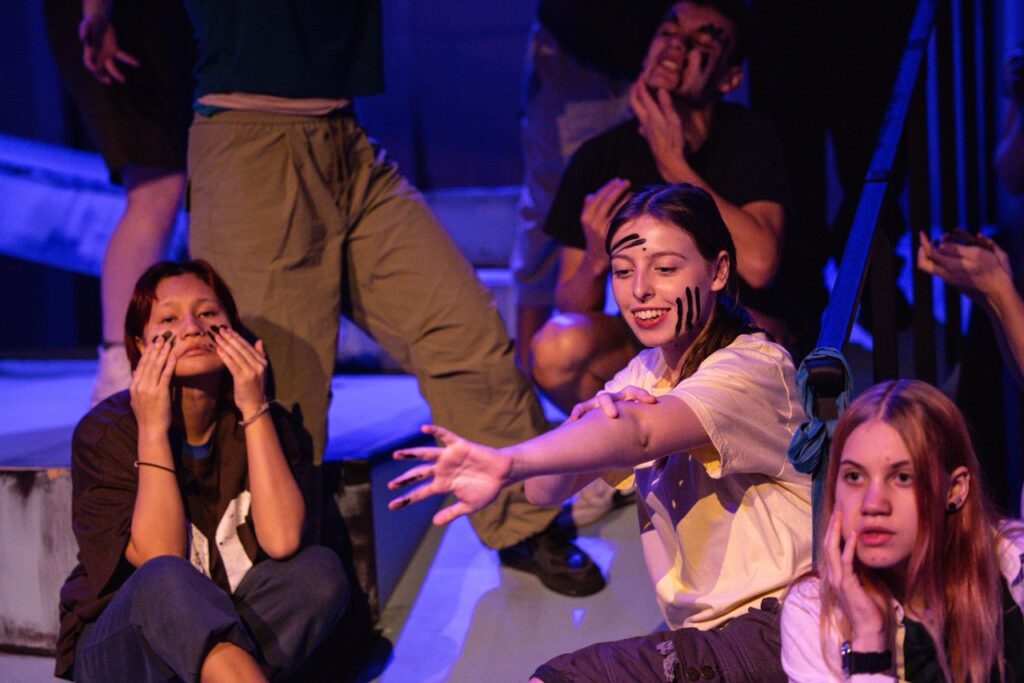
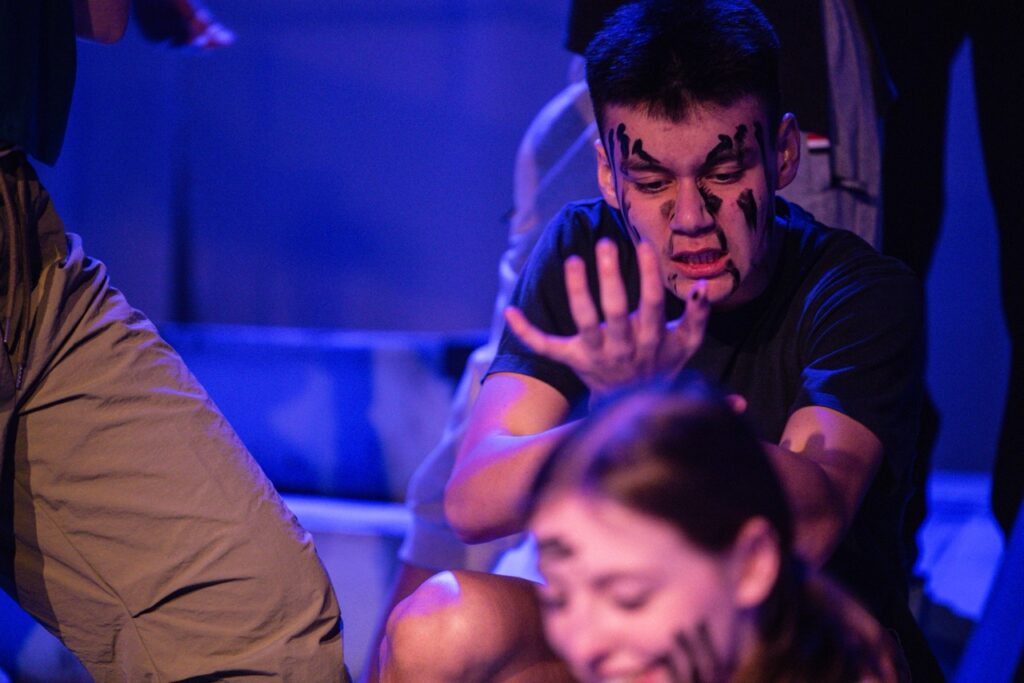
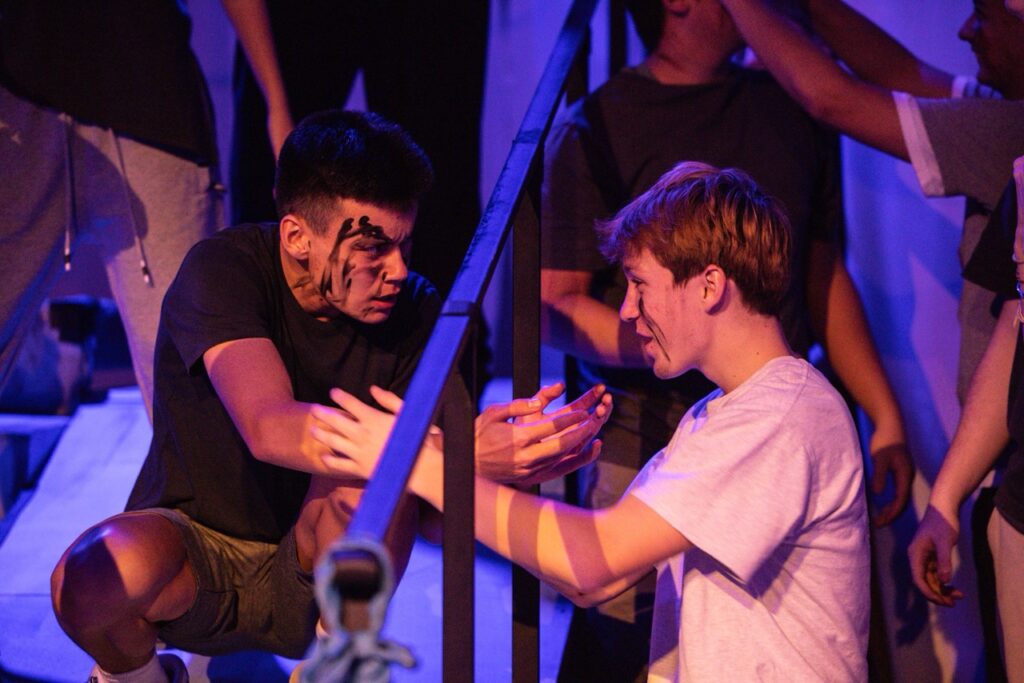
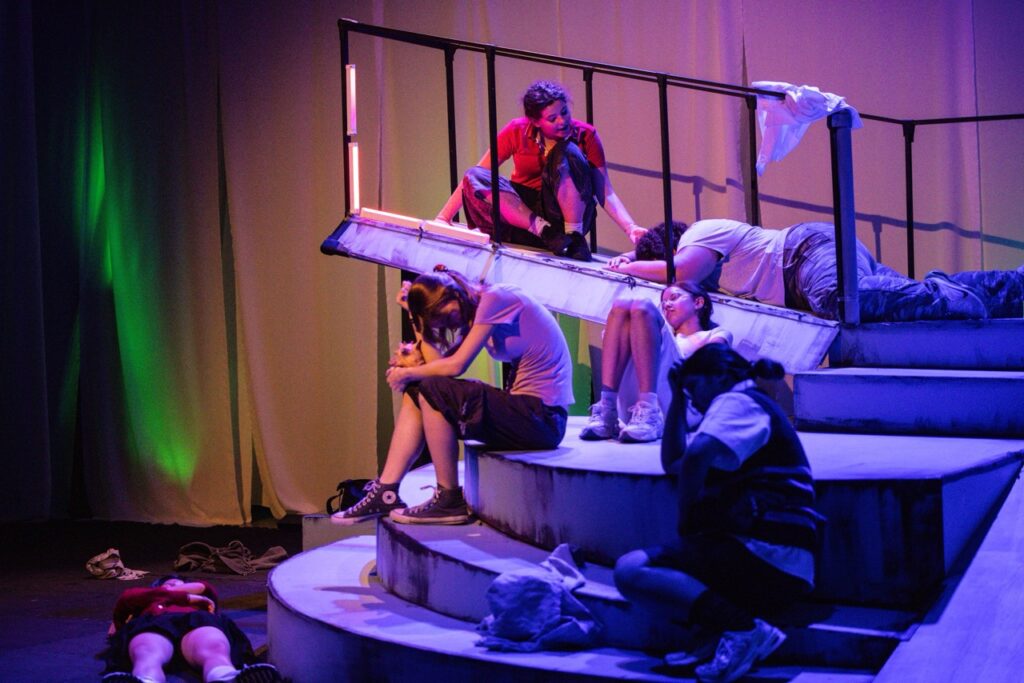
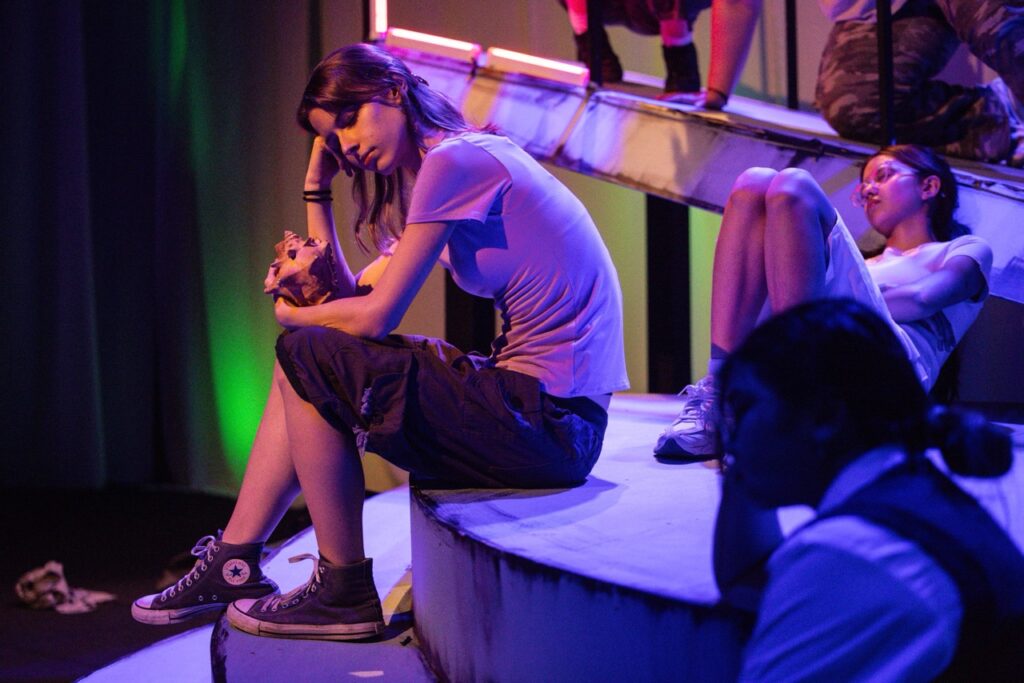
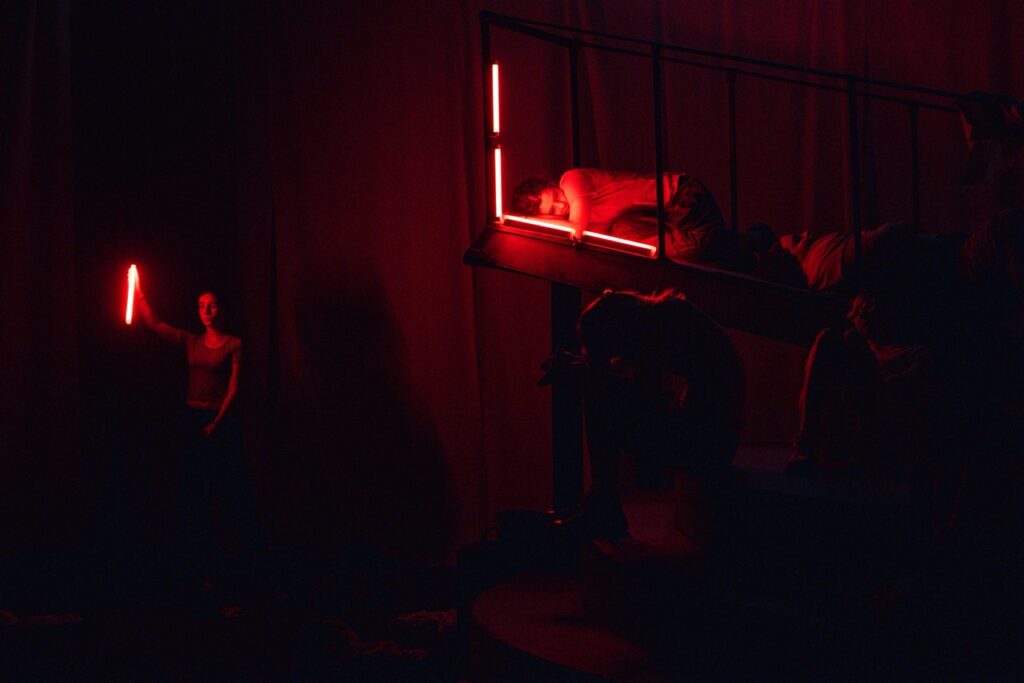
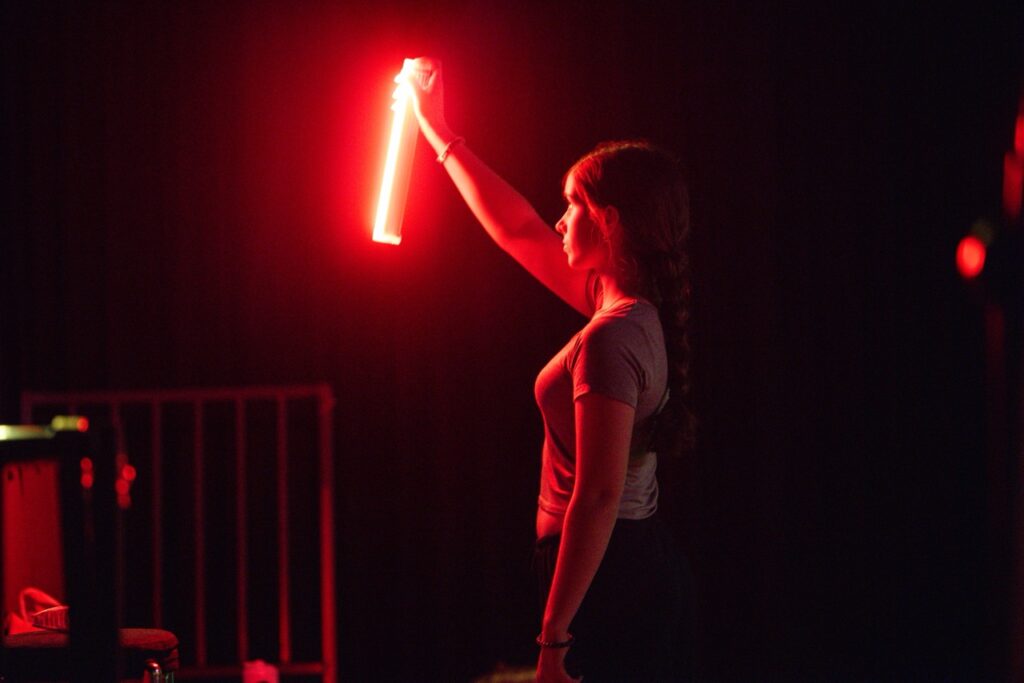
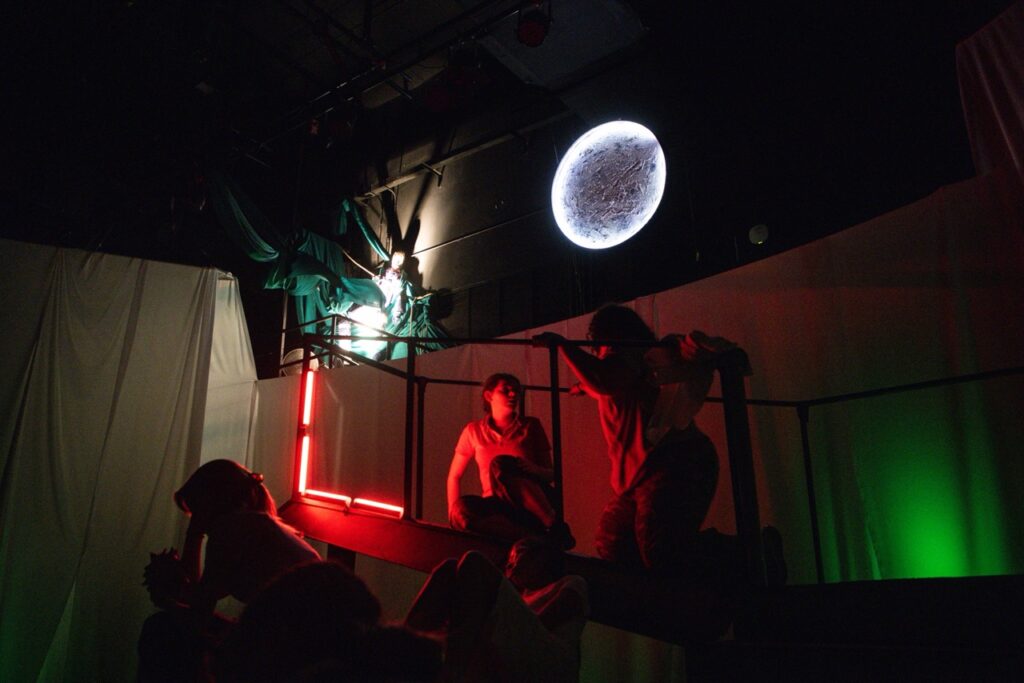
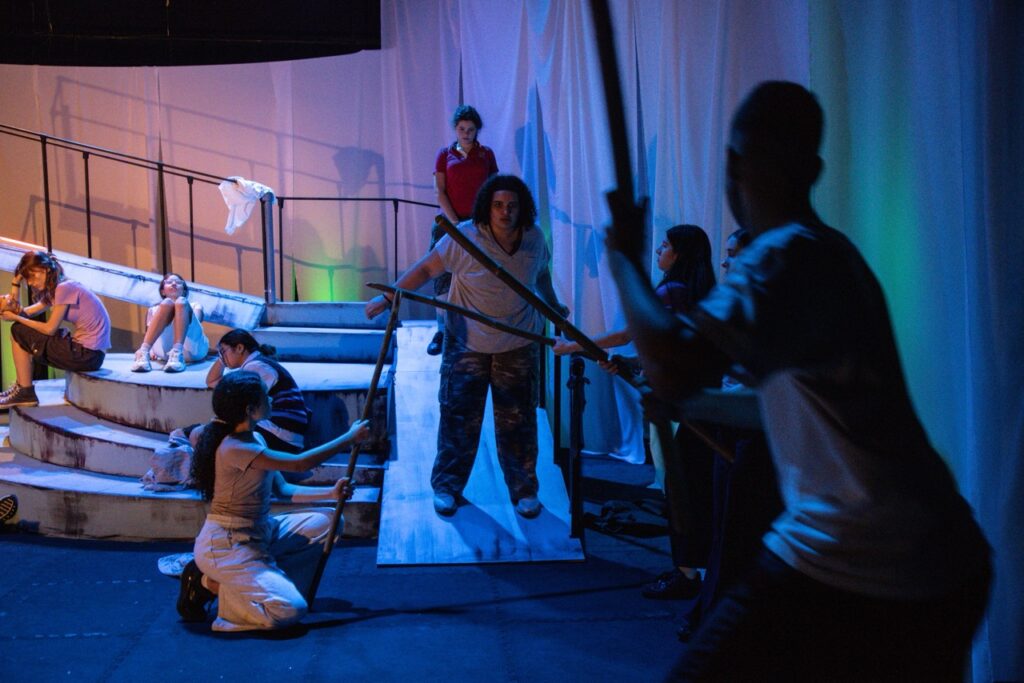
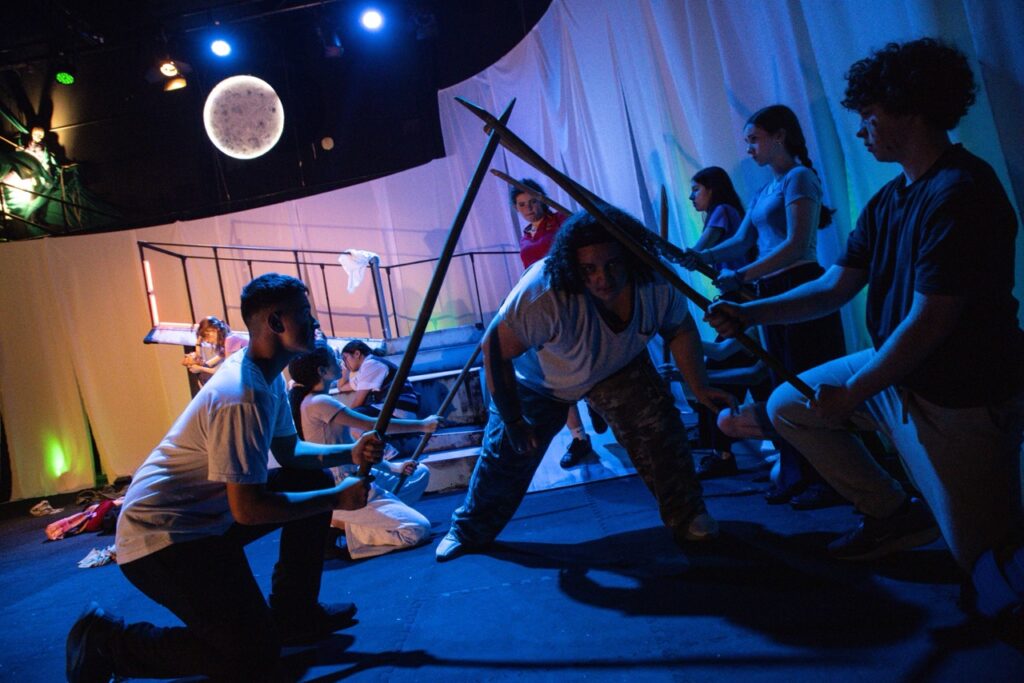
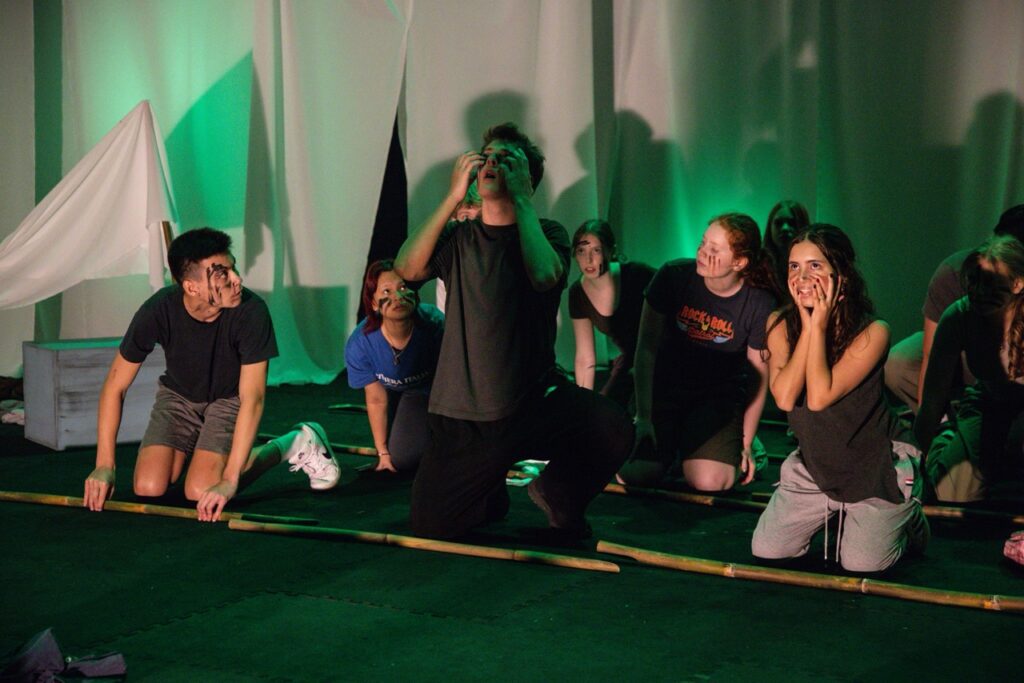
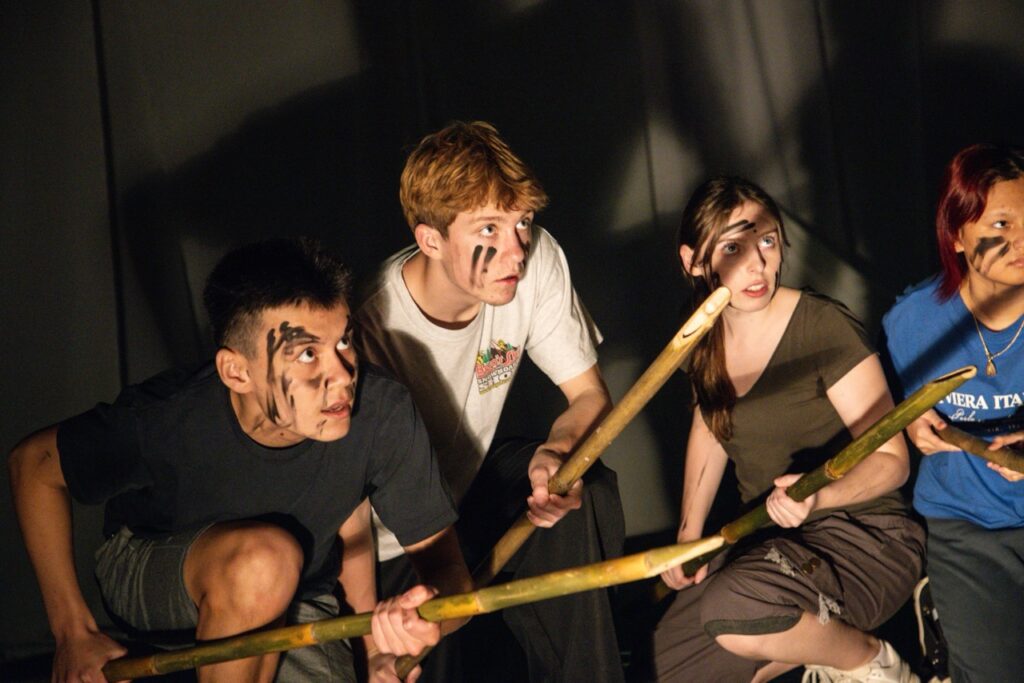
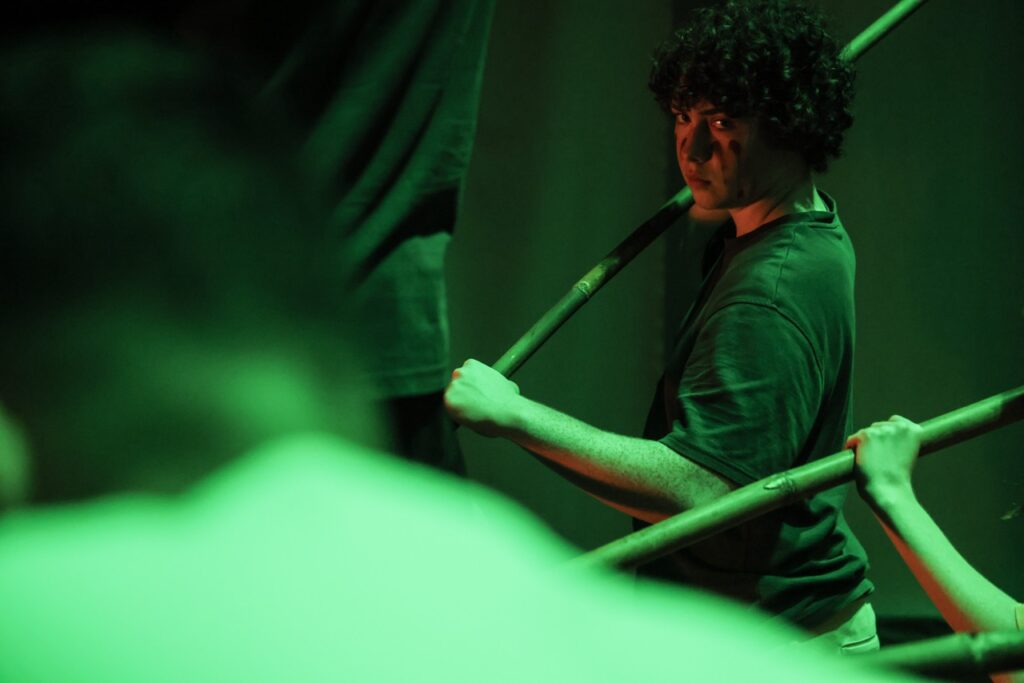
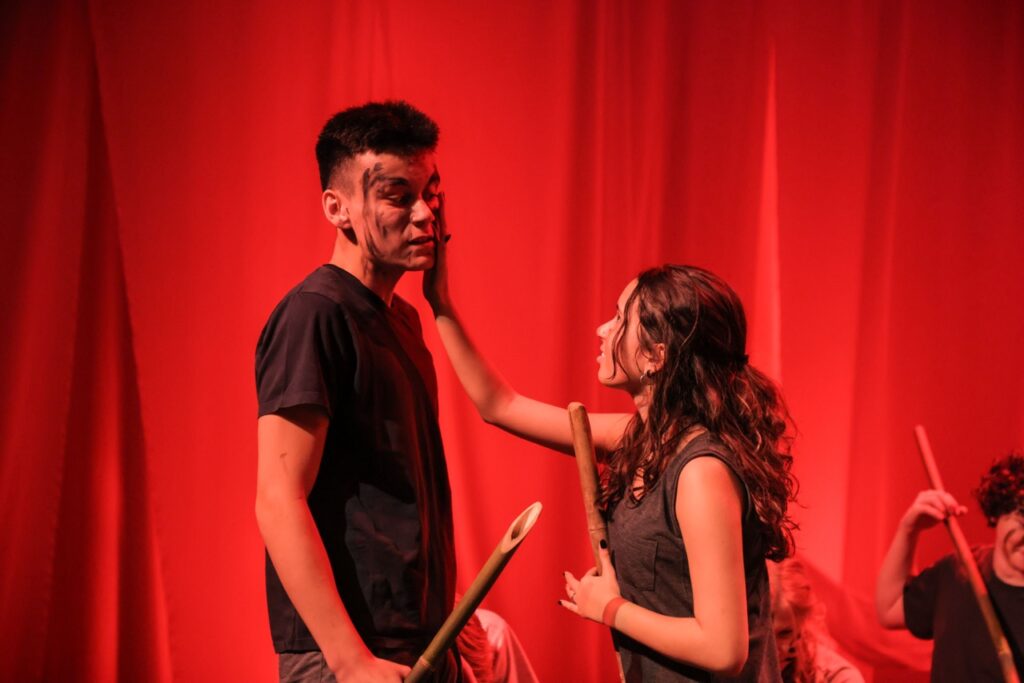
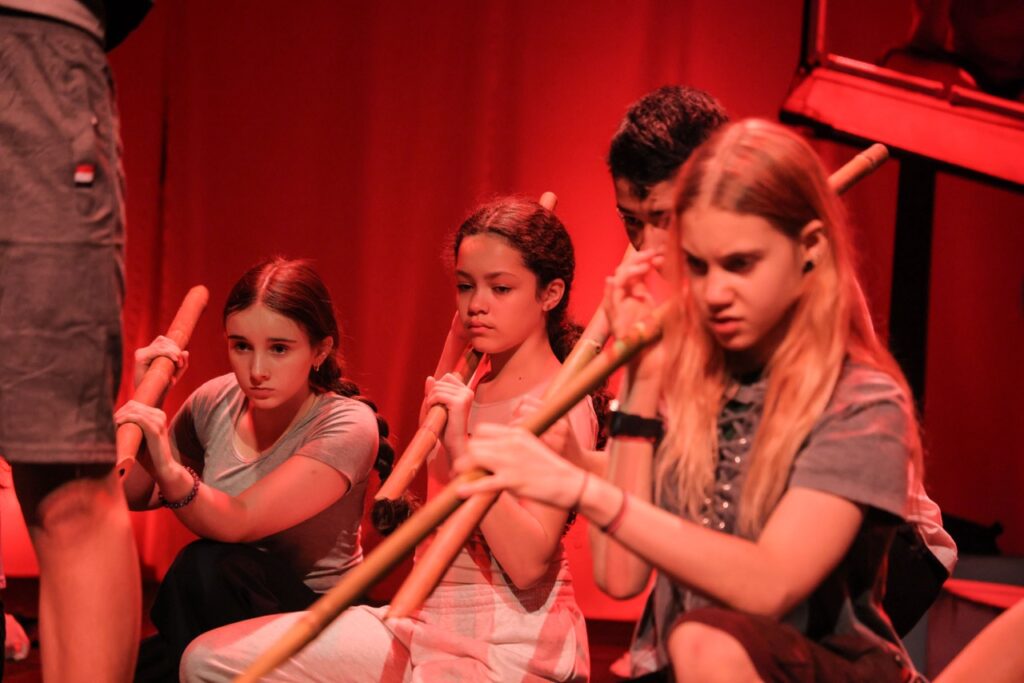
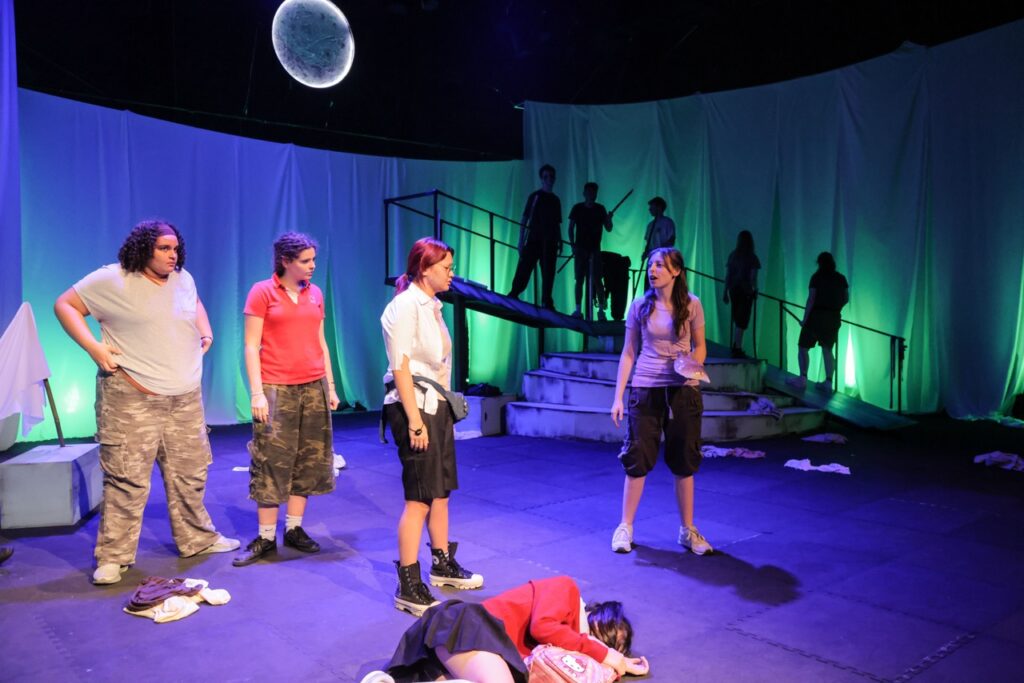
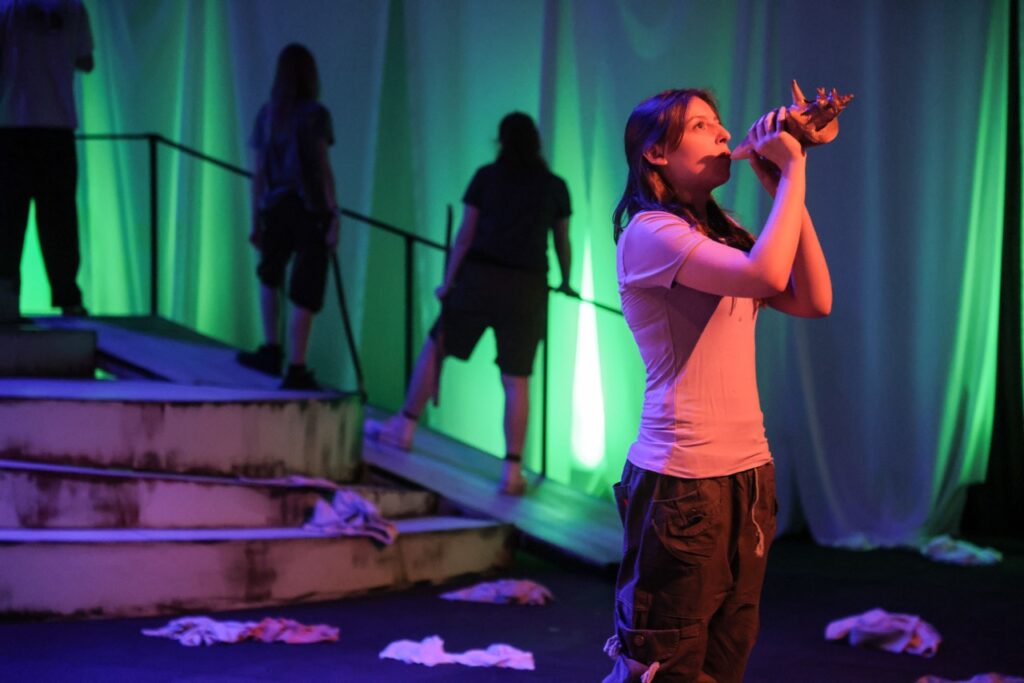
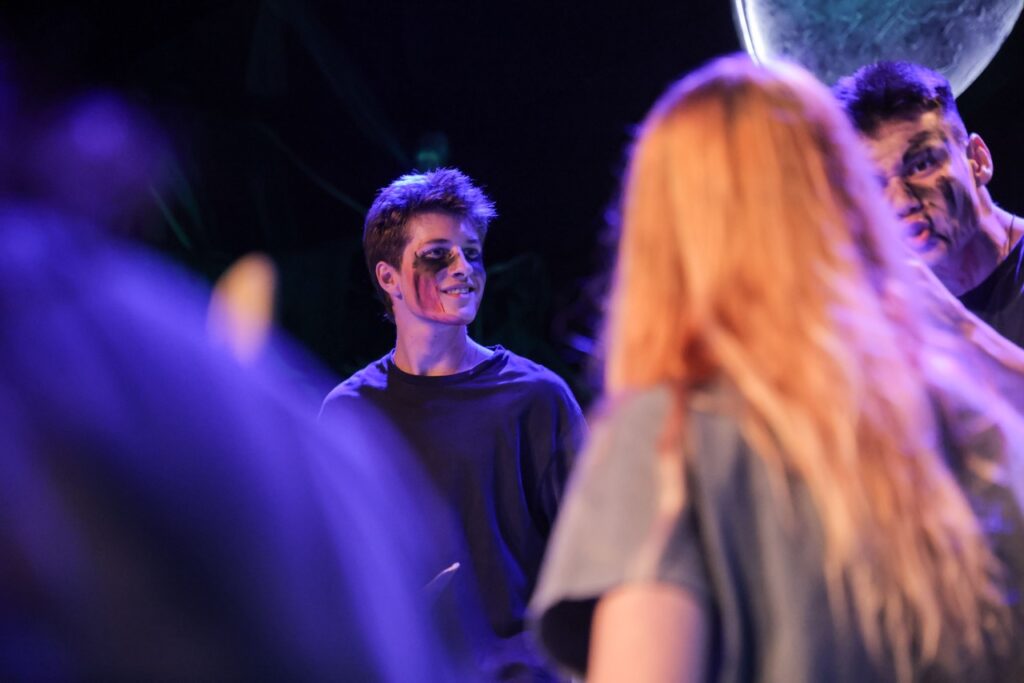
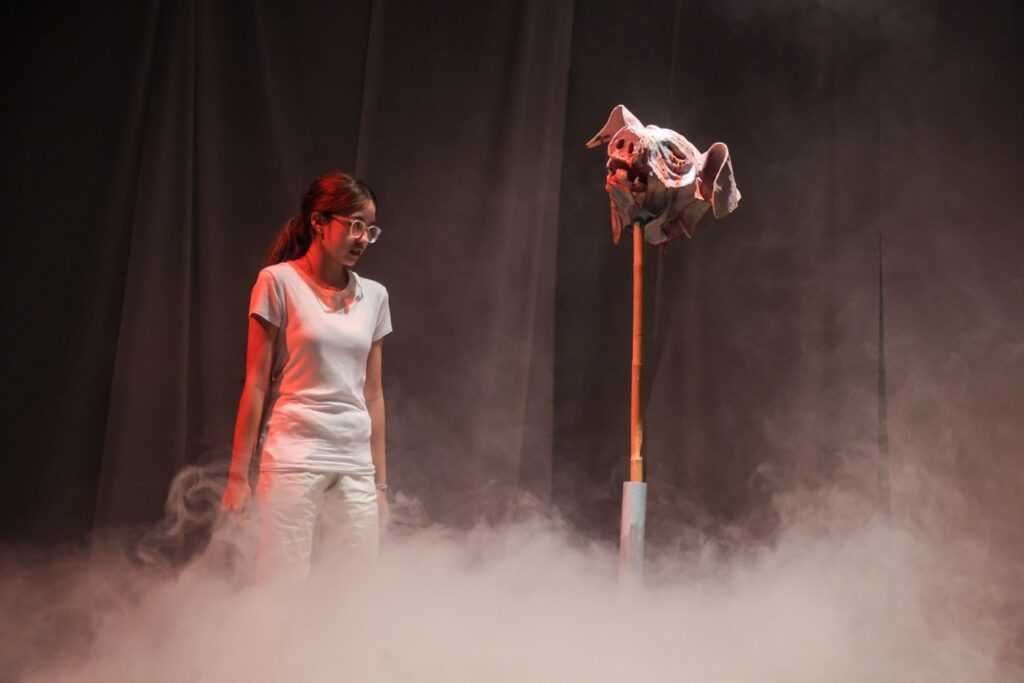
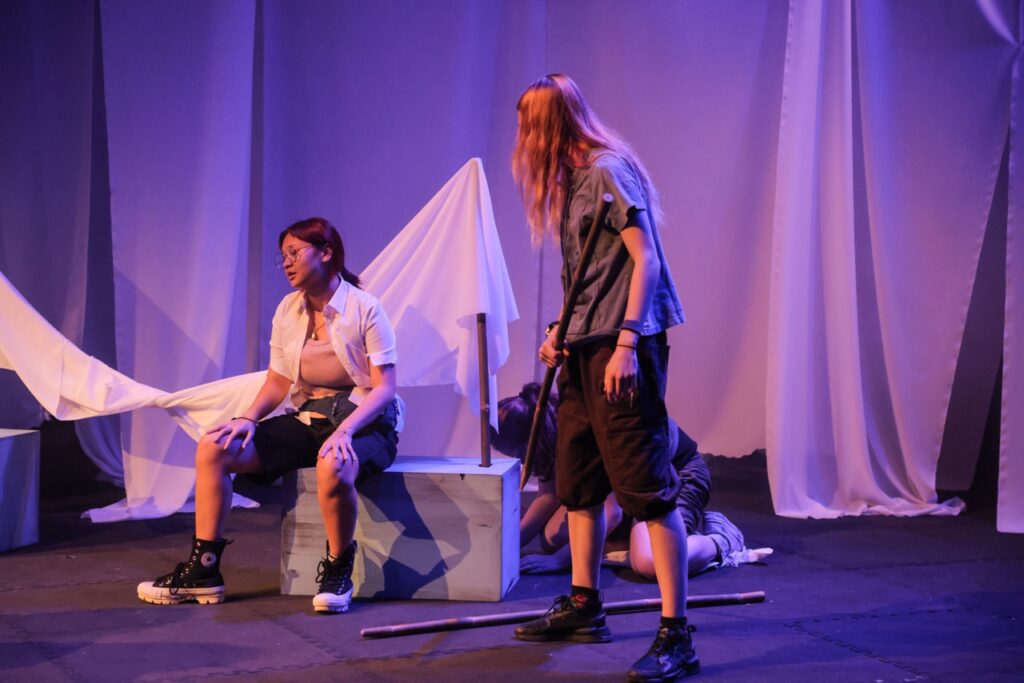
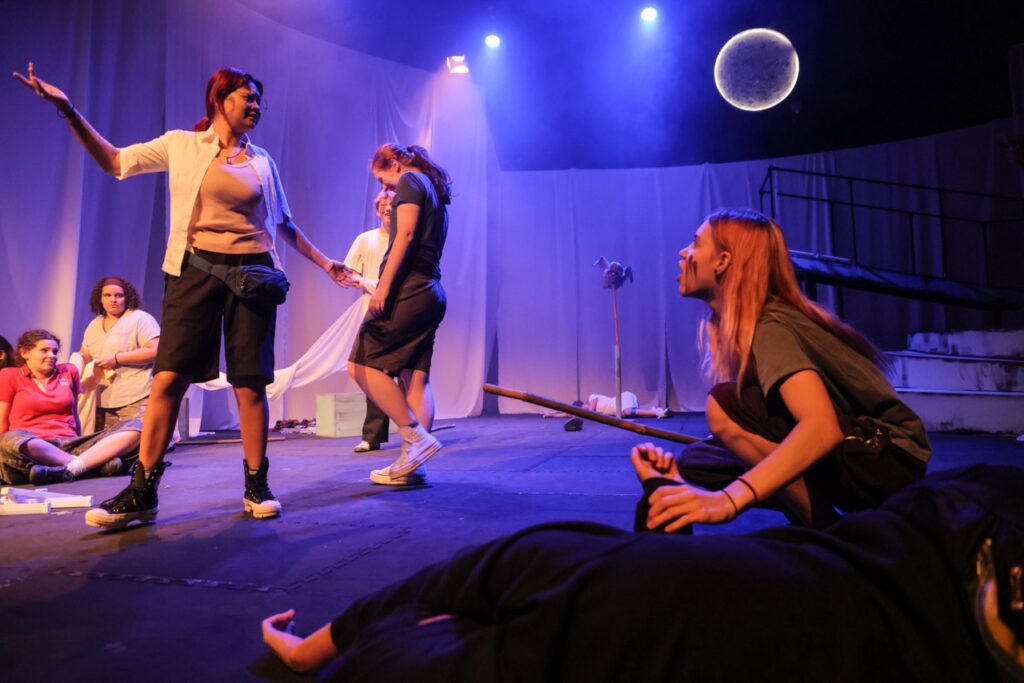
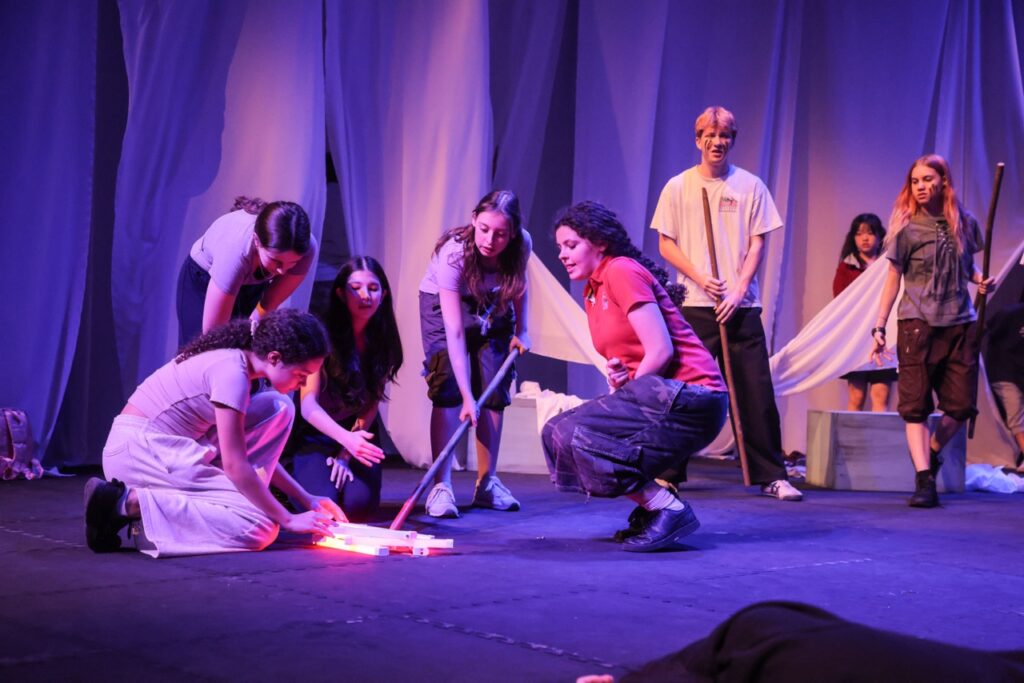
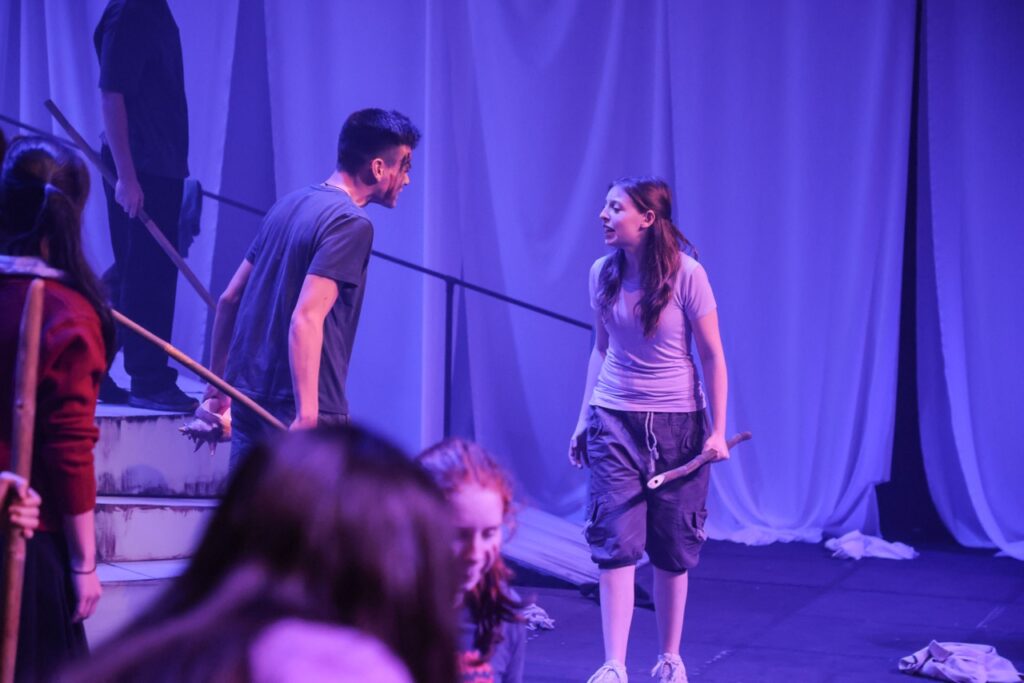
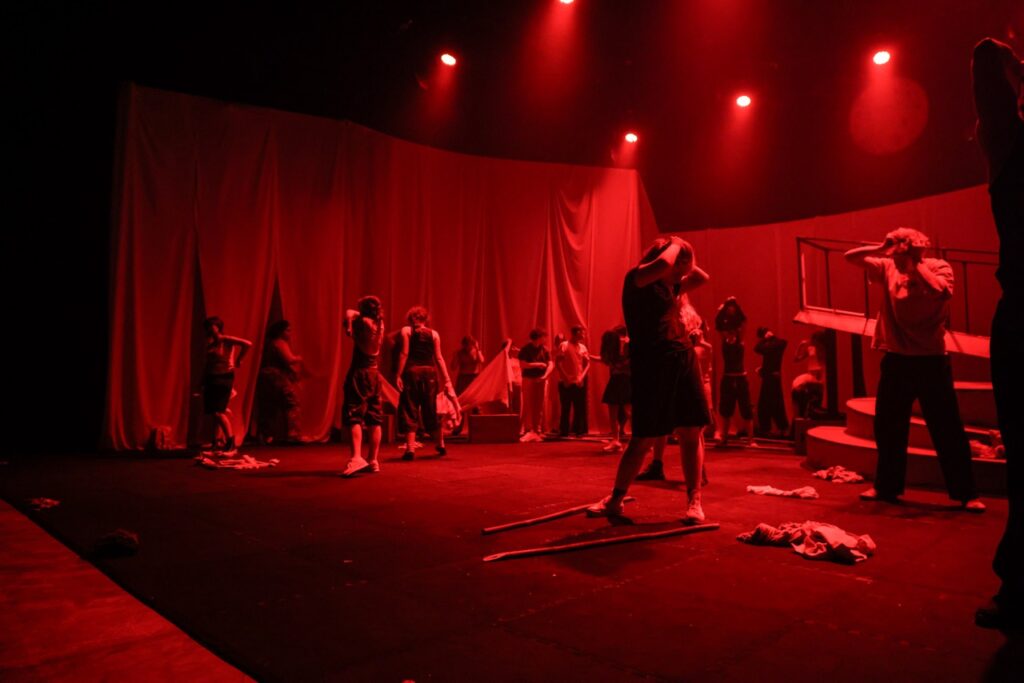
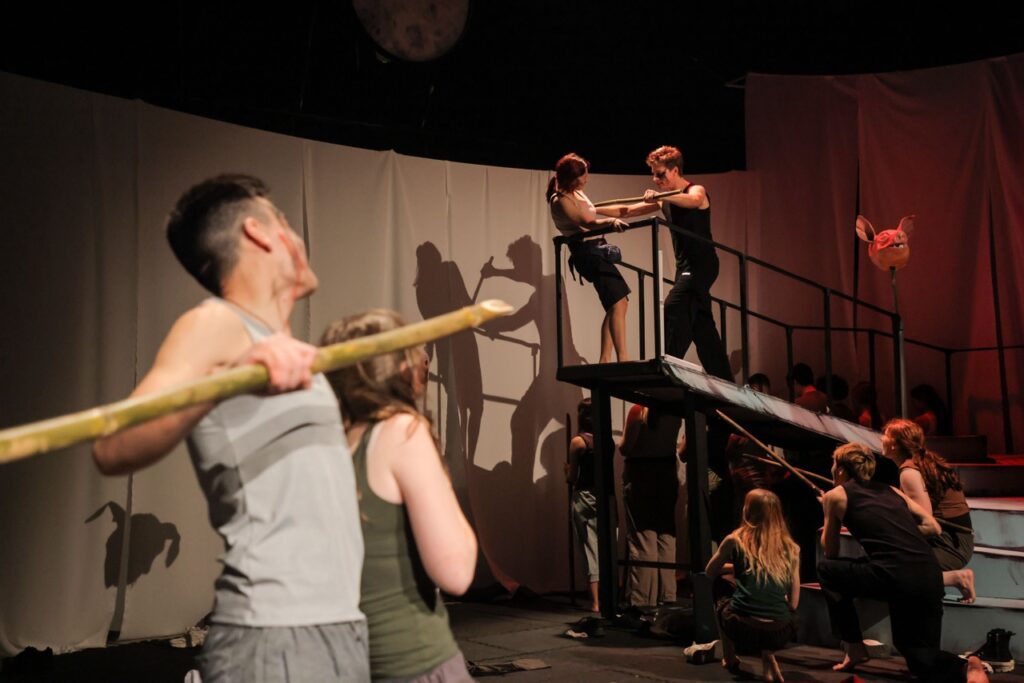
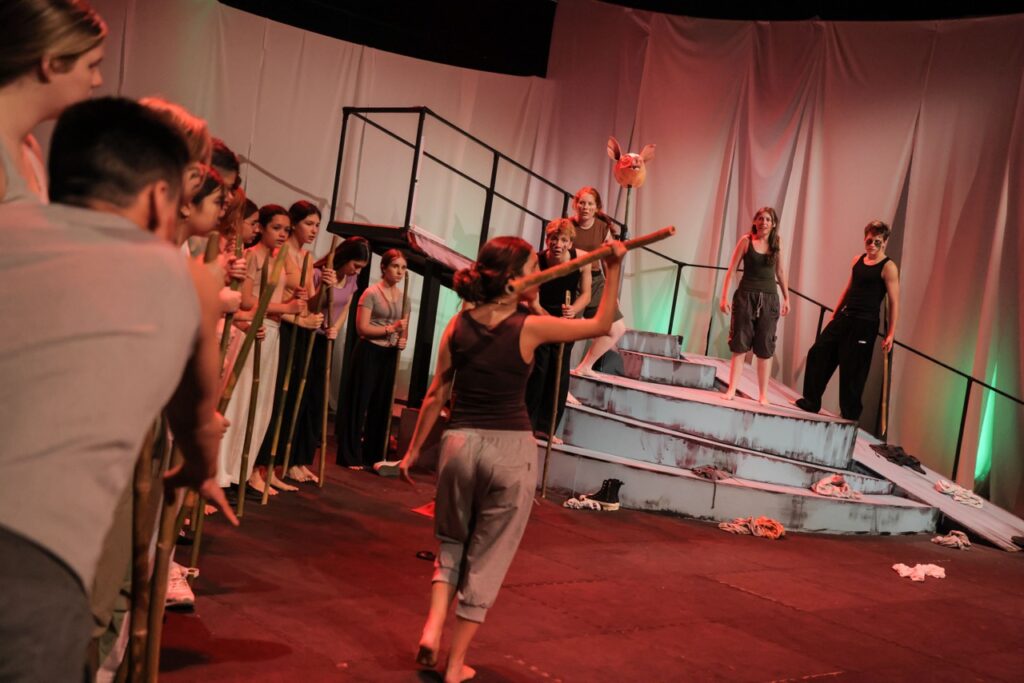
From Vision to Performance: The Journey of Lord of the Flies
By Sharon Marie Godfrey and Katie Meadows Secondary Drama teachers, Artistic Directors for Lord of the Flies
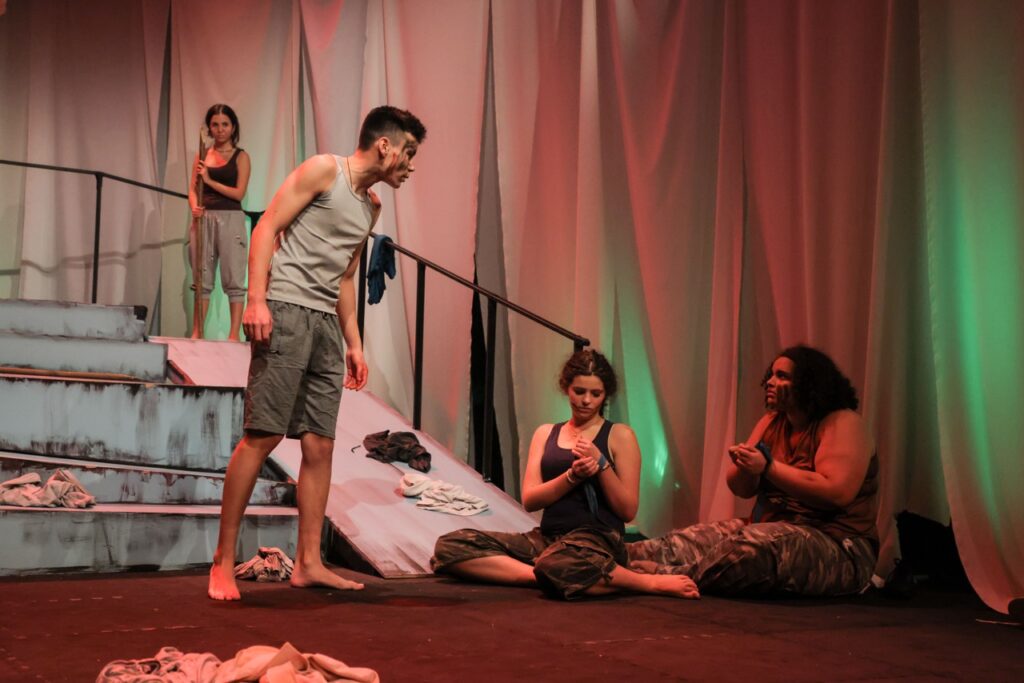
It’s hard to believe that our Lord of the Flies journey began all the way back in May. By June, we had designed the set and measured it out in the Black Box Studio with Mr Corker and, Khun Rat, who was ready to weave his practical miracles into action. Two box-model prototypes later, and materials ordered-Khun Nui and his team were prepared to begin the build as soon as the school calendar allowed.
Before we left for the summer break, we had organised audition dates and held an information event for all interested students, who were encouraged to learn set monologues over the holiday. When we returned for the first full week of Term 1, auditions began immediately. An exciting, yet very difficult, casting process followed, and the final cast was confirmed. By the third week, rehearsals and blocking were underway, and the story of this production truly began to take shape.
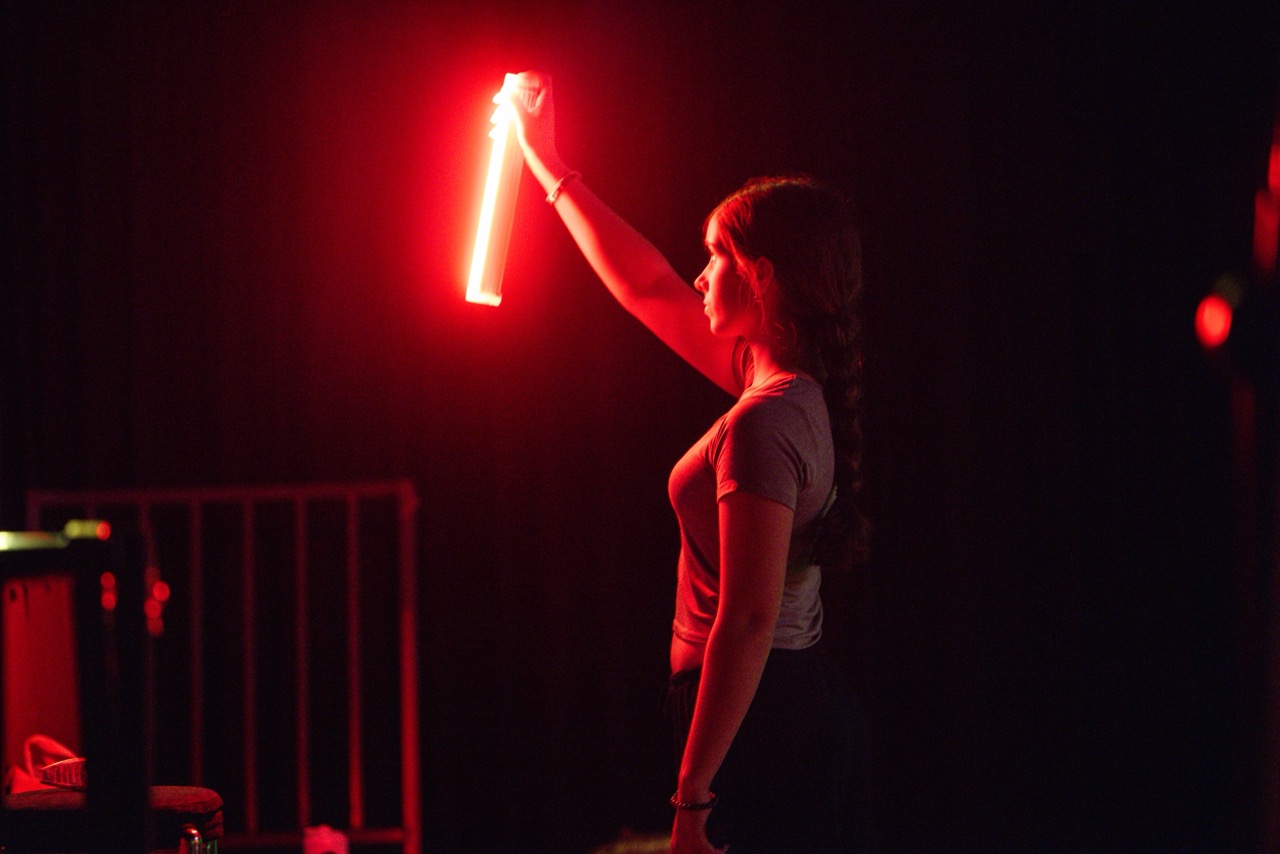
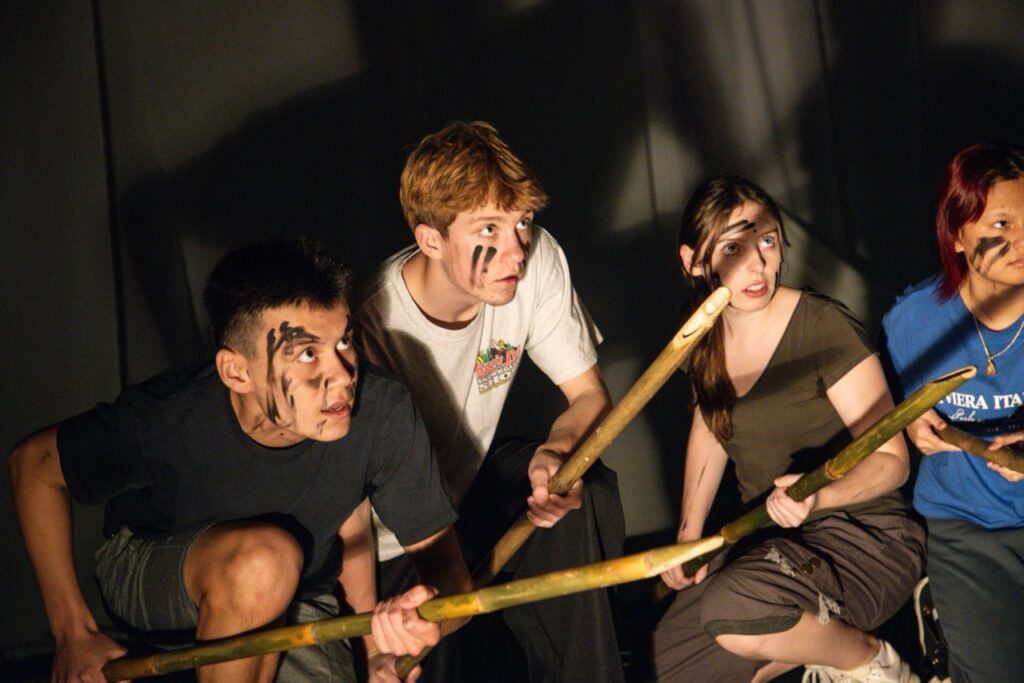
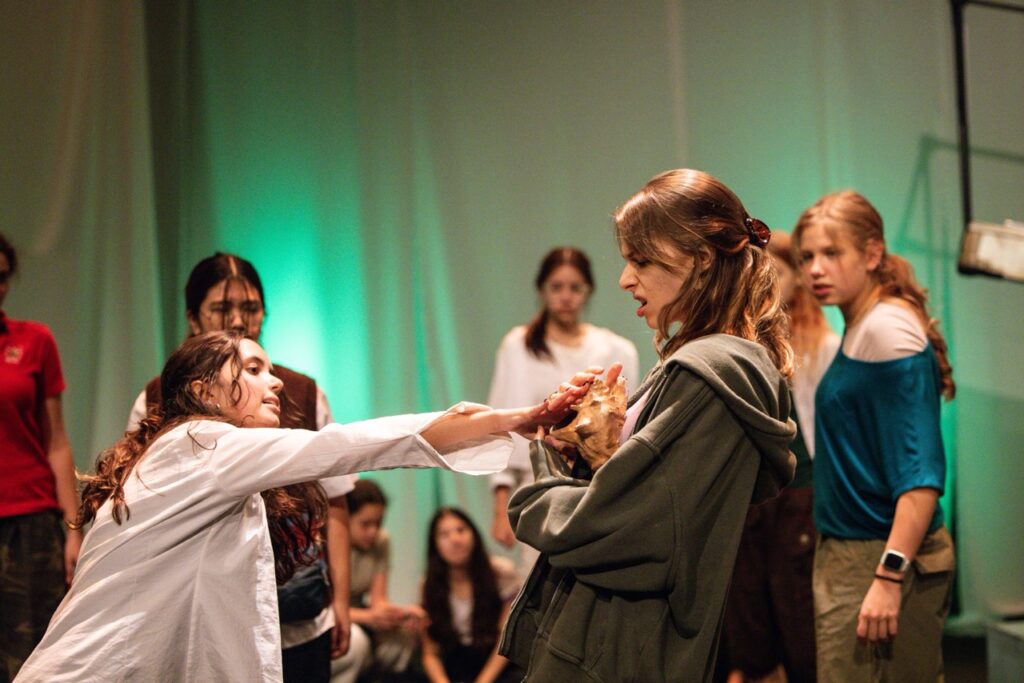
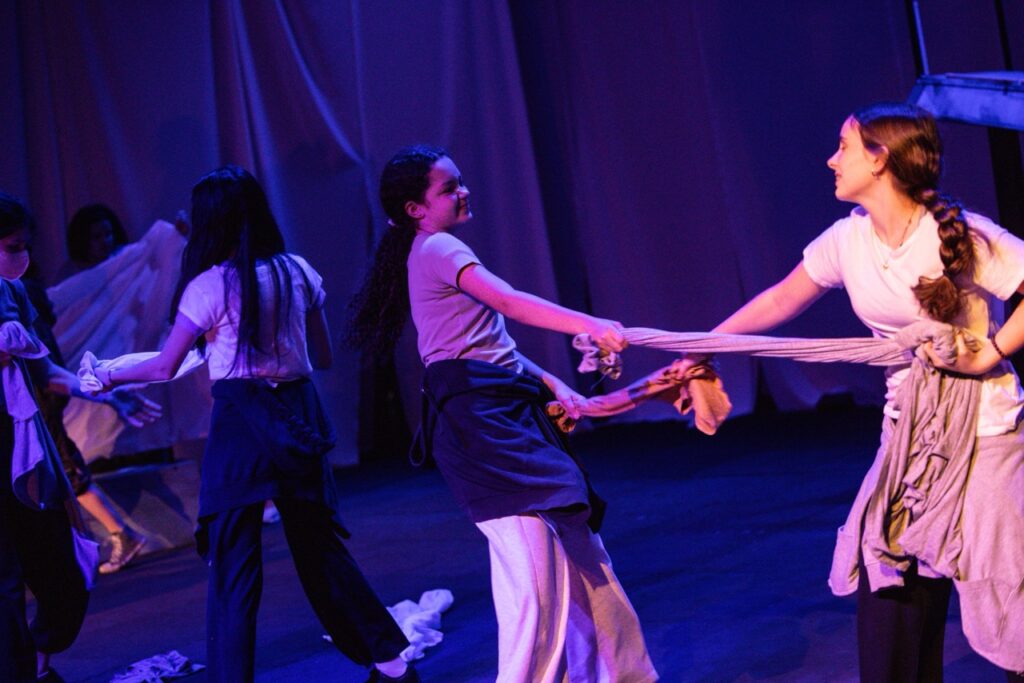
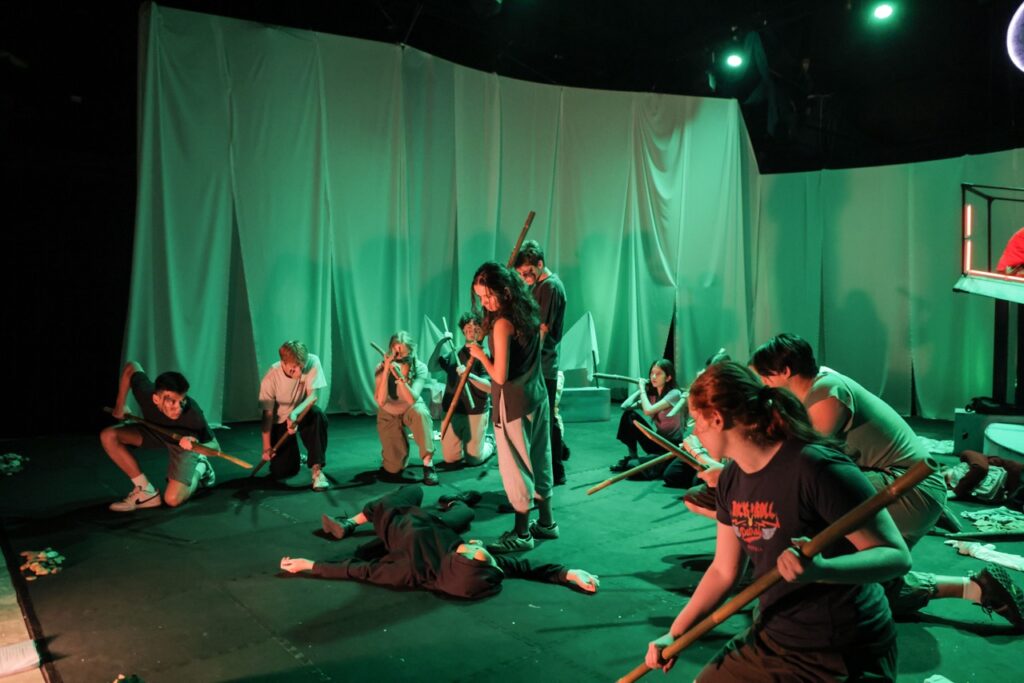
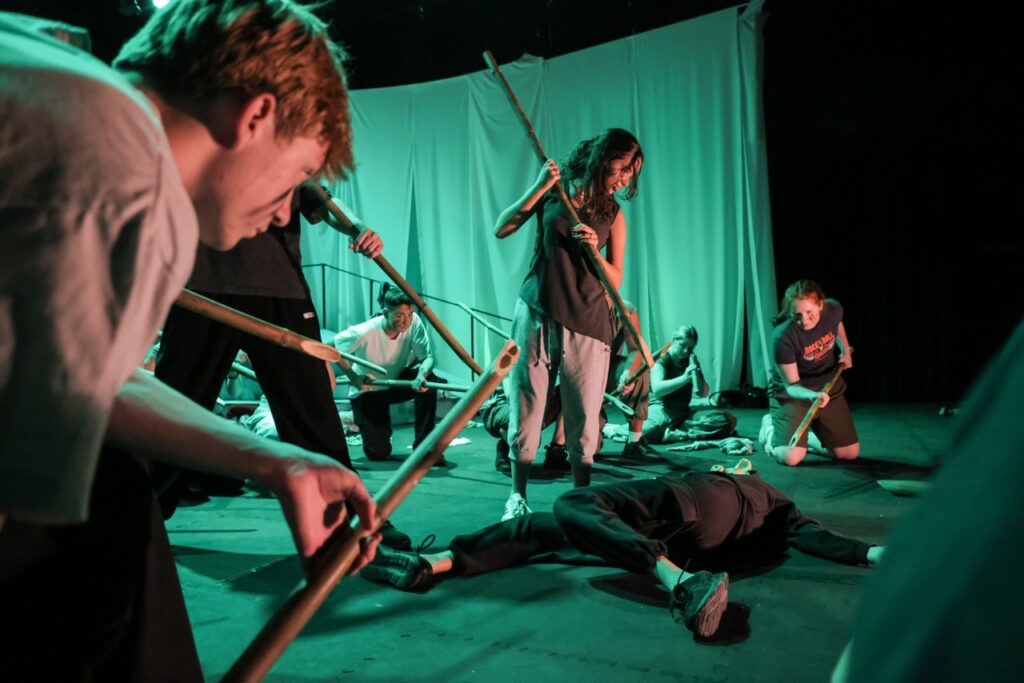
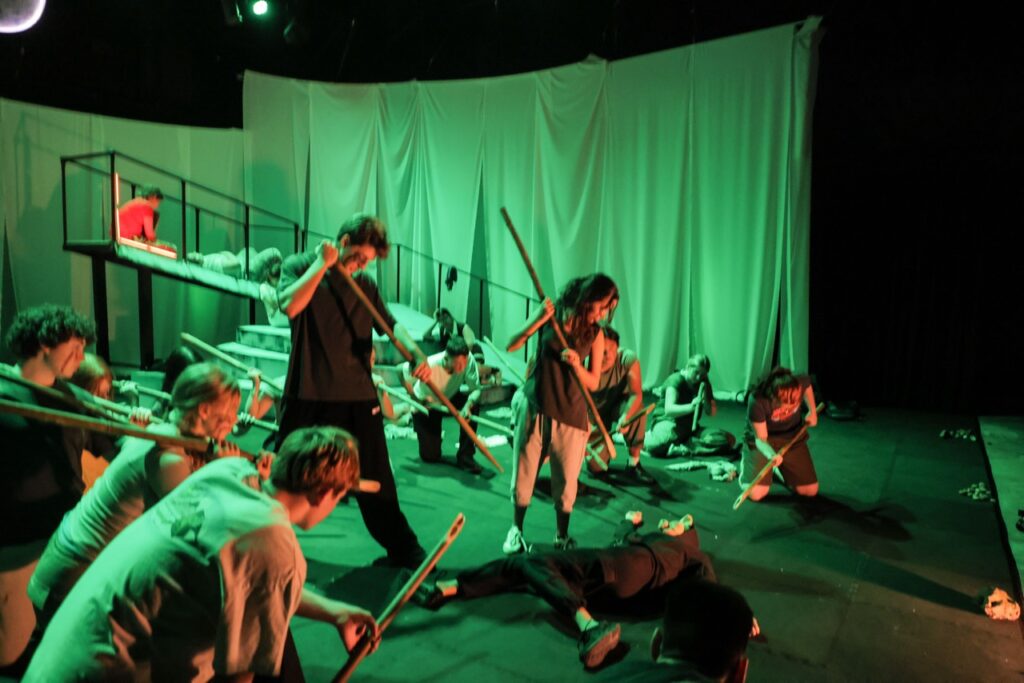
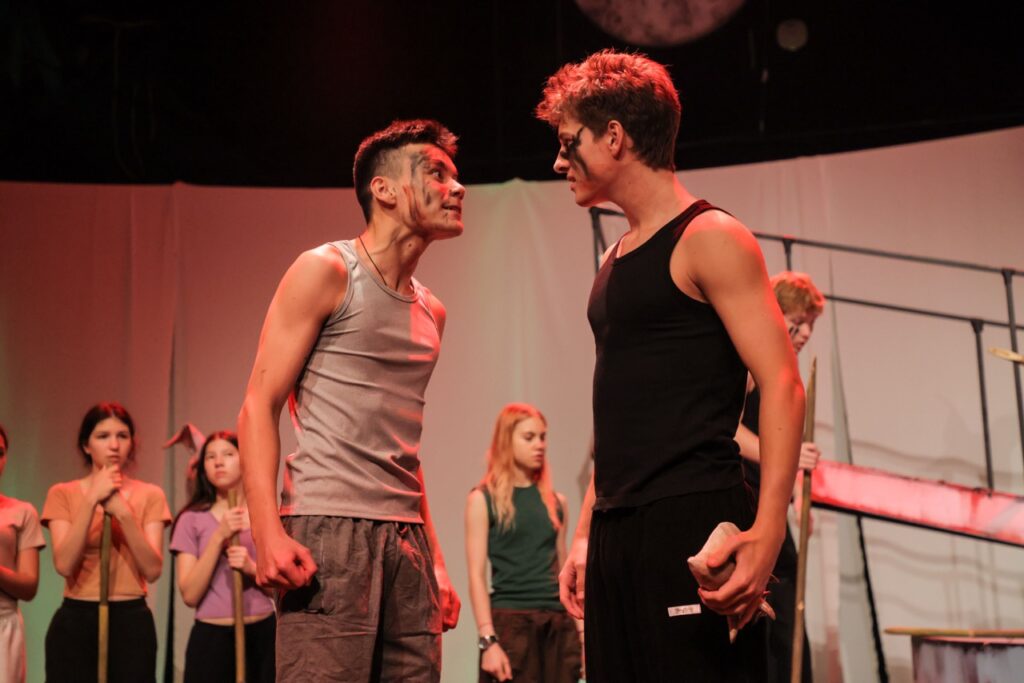
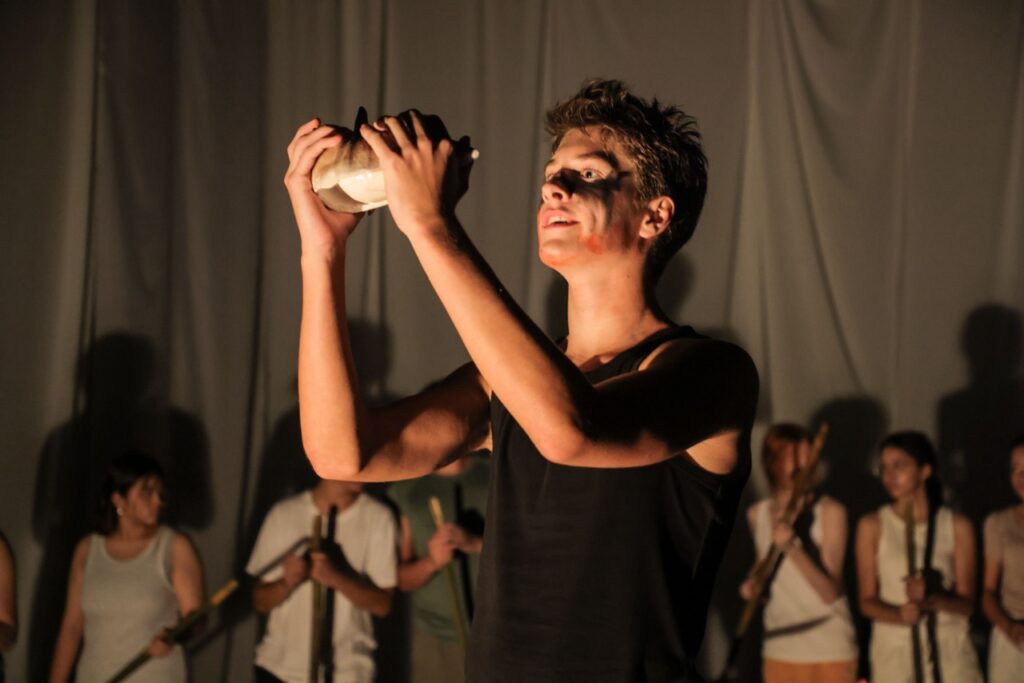
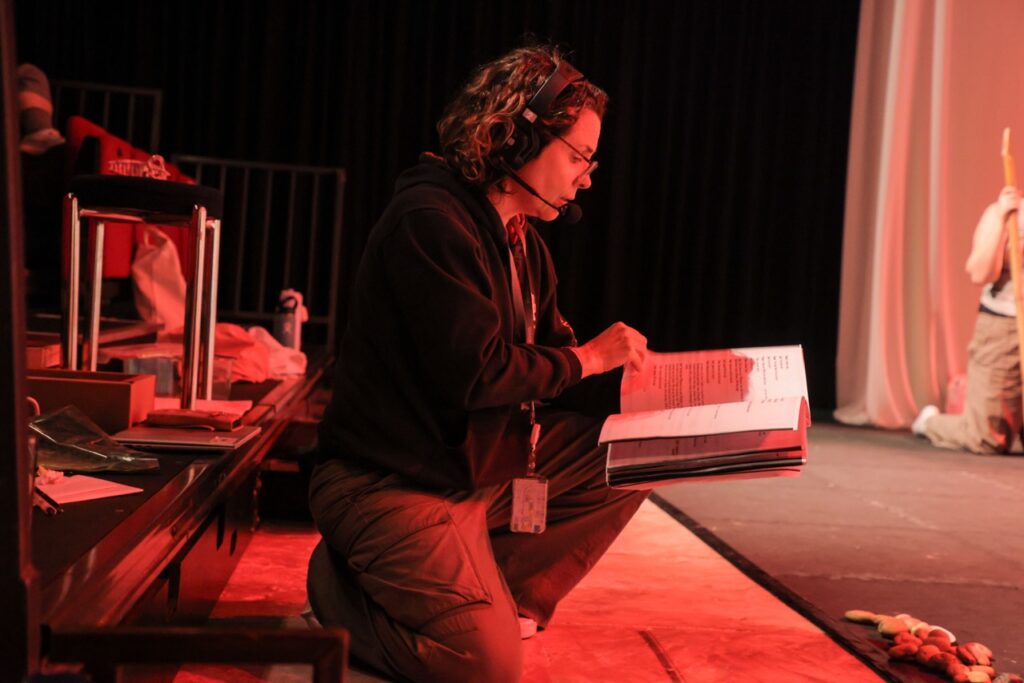
Months of planning, designing, rehearsing and finally refining led to last week’s performances; a remarkable culmination of talent from our unbelievable cast, our brilliant backstage crew, and two passionate teachers determined to challenge their students to rise to the top within a safe and supportive space.
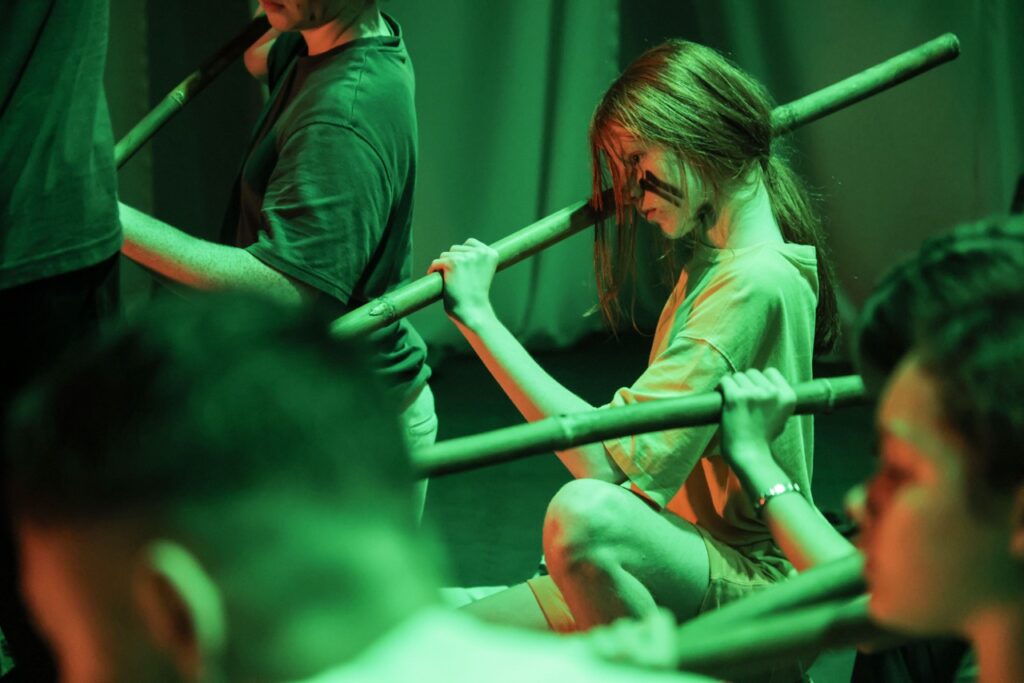
The production became an epic adventure filled with laughter, tears, creative risk-taking and countless moments of pride. What made this experience truly special was the unity it inspired. Students from Year 10 to Year 13 came together to create something brave, stirring, and deeply collaborative.
It has been an honour to be part of such a nurturing, blossoming process and one that we will always remember and hold dear in our hearts. We are deeply grateful to every young person involved and every extra adult who made the magic happen and to those who came and supported their loved ones by being a fantastic audience!
“I can’t remember the last time I was that immersed in a performance. Like, everything from the tense death scenes to the oppressive atmosphere created with fluid ensemble work to that perfect ending with the Sound of Silence was soooooo good. 100% going to buy the book now. I was completely shaken with the level of dedication. My acid moment was when Simon was killed, particularly the chanting, dancing, and the high level of tension created. The ensemble movement really sold it for me as I could see everybody was working together to make that happen. The shock emotion afterwards felt so genuine when the ensemble realised what they’d done. It felt so good to watch something that you don’t really get in Bangkok. Thanks for breaking a couple of legs and conches. Great job everyone involved.” – Felix Darley, IB Alumni (Drama student)
“From the pre-show (flight crew, waiting lounge) to the simple yet effective set, to the carefully choreographed chaos, to the lights, sounds and songs and the incredible all-out acting, the show was gripping and engaging. Congratulations to all the students on stage and behind the scenes and to your teachers, directors and mentors. It was a stunning performance! You must be exhausted from doing the show 3 nights in a row, but you should also be so proud!” – Parent
“ What a polished and passionate performance! You must be so proud – this has gone way beyond a school production.” – Teacher
This month’s theme: Giving, Generosity and KindnessThis month’s theme celebrates giving, generosity and kindness, perfectly timed for the festive season […]
This term we’re introducing a new approach to teaching problem solving in maths. Our aim is simple: to help children […]
Patana Page Turners
This month’s theme: Giving, Generosity and Kindness This month’s theme celebrates giving, generosity and kindness, perfectly timed for the festive season and the start of a new year, with stories that inspire reflection in a season of new beginnings. Where will your reading journey take you over the holidays?
Interview with Mark Grist, Award winning rapper, storyteller and children’s author
What is one of your fondest or most favourite reading memories?
I grew up on a very remote island called Unst, in the Shetland Islands. There were fewer than 500 people on the whole island, and most days after school I’d pack a little sandwich, wander down to Norwick beach, and sit on the rocks to read. I remember reading The Worst Witch there one afternoon when a seal climbed onto the rock beside me, barely a couple of metres away. We shared the space in total silence — just me turning pages and the seal sunbathing. It felt like reading and real life had blended together. I don’t think I’d be doing the job I do now if I hadn’t had that beach to read on.
Which fictional character would most like/least like to meet in real life and why?
I would most like to spend time with Ged from Ursula Le Guin’s Earthsea books. There’s such quiet wisdom in the way he approaches the world — thoughtful rather than showy — and I think an afternoon walking along a coastline with him would do something good for the soul.
On the other hand, I would never want to meet Miss Trunchbull. She’s one of the greatest villains ever written, partly because she’s such a powerful reminder of how adults can use authority badly. It makes me appreciate all the Miss Honeys out there — the teachers who protect, encourage and change lives for the better.
Which books about giving have been most inspiring to you? Do you have any book recommendations for this theme?
One book about giving that really resonates with me is The Storm Whale by Benji Davies. It’s about a boy who discovers a small whale washed up on the shore and decides to care for it. His quiet act of kindness doesn’t just help the whale — it brings him closer to his father, showing how generosity can create connection in unexpected ways. It reminds me that giving doesn’t need to be big or expensive. It can be thoughtful and personal — a story shared, a voice offered to a cause, or even a short poem written for someone in a Christmas card. Small acts of care can have an incredible effect and taking time to write something for someone this Christmas in a card is my number one recommendation to give someone you care about a better Christmas this year.
Foundation Stage and Key Stage 1 Recommendations
Sarah Murgatroyd – Foundation Stage Assistant Leader, Class Teacher FSNM
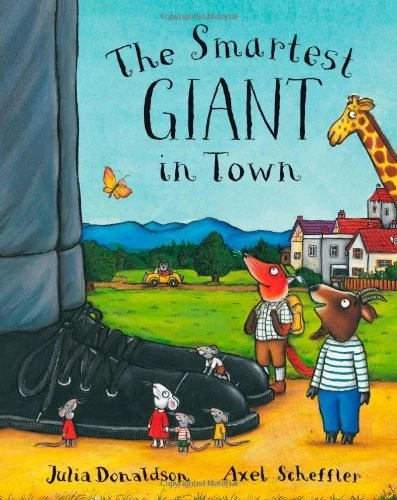
The Smartest Giant in Town by Julia Donaldson and Axel Scheffler The Smartest Giant in Town is a delightful story about George the scruffy giant who gradually gives away his smart new clothes to animals who need his help. It is a heartwarming tale of kindness and generosity brought to life through the rhythm of the words, the repeated song lines, and the richly detailed illustrations.
‘Room on the Broom’ by Julia Donaldson and Axel Scheffle ‘Room on the Broom’ is a much-loved rhyming adventure that celebrates friendship, kindness and teamwork. A kind witch and her cat collect helpful animal friends on their broom, who in turn save the witch from a hungry dragon. The magnificent new broom that is created is the perfect end to this special tale. Christopher Thomas Holt – Class Teacher FS2H, Foundation Stage 2
It’s Mine! by Leo Lionni It’s Mine! by Leo Lionni is a lovely story that shows why sharing and working together matter. The three frogs keep arguing about everything being “mine,” which quickly leads to problems, but when real trouble arrives, they realise they need each other. By the end, they discover that helping and sharing makes life better for everyone. It’s a simple, warm story that also opens the door to great conversations and activities about kindness and taking turns.
A Hat for a House by Audrey Perrott This is a wonderful story that gently explores sharing, kindness, and thinking of others. As the characters try to find the perfect “hat” for the little house, they learn that working together and being considerate makes all the difference. Their small acts of generosity show how helping one another can turn a simple task into something joyful. It’s a light-hearted tale that encourages lovely conversations with children about kindness, cooperation, and looking after the people and places we care about.
Robine Johnson – Lead Teacher for Primary Community Action; Class Teacher 1R
Giraffes Can’t Dance by Giles Andreae
I have always loved “Giraffes Can’t Dance” by Giles Andreae. This exciting, rhyme-filled journey through the jungle links so well with this week’s theme of giving. Not all gifts come wrapped in bows. Sometimes a gift is the right words at the right moment, noticing hidden potential and offering quiet encouragement to try something new or in a different way. The wise old grasshopper unlocks Gerald’s confidence despite the mockery of others and allows him to discover his own way to dance. What a wonderful gift for anyone to receive!
Purnima Ghogar – Secondary English Teacher
What You Do Matters by Kobi Yamada This series includes three uplifting stories – ‘What Do You Do With an Idea?’, ‘What Do You Do With a Problem?’, and ‘What Do You Do With a Chance?’. Each book follows a young child who meets something unexpected: an idea that grows the more it’s nurtured, a problem that seems scary until faced with courage, and a chance that brings possibilities if they are brave enough to take it. Together, these stories show how small acts of kindness, courage and generosity can shape who we become. Perfect for this month’s theme of giving and new beginnings – a thoughtful and inspiring holiday read!
Key Stage 2 Recommendations:
Tracey Williams – 3T Class Teacher
The Giving Snowman by Julia Zheng This is a beautifully illustrated book about how a snowman helps some animals and a farmer on a snowy night when they are in need and how when the sun comes out, they are all given the opportunity to pay back its kindness. A story that teaches us all the importance of giving to others.
Mimi Kuznetsova (6C)
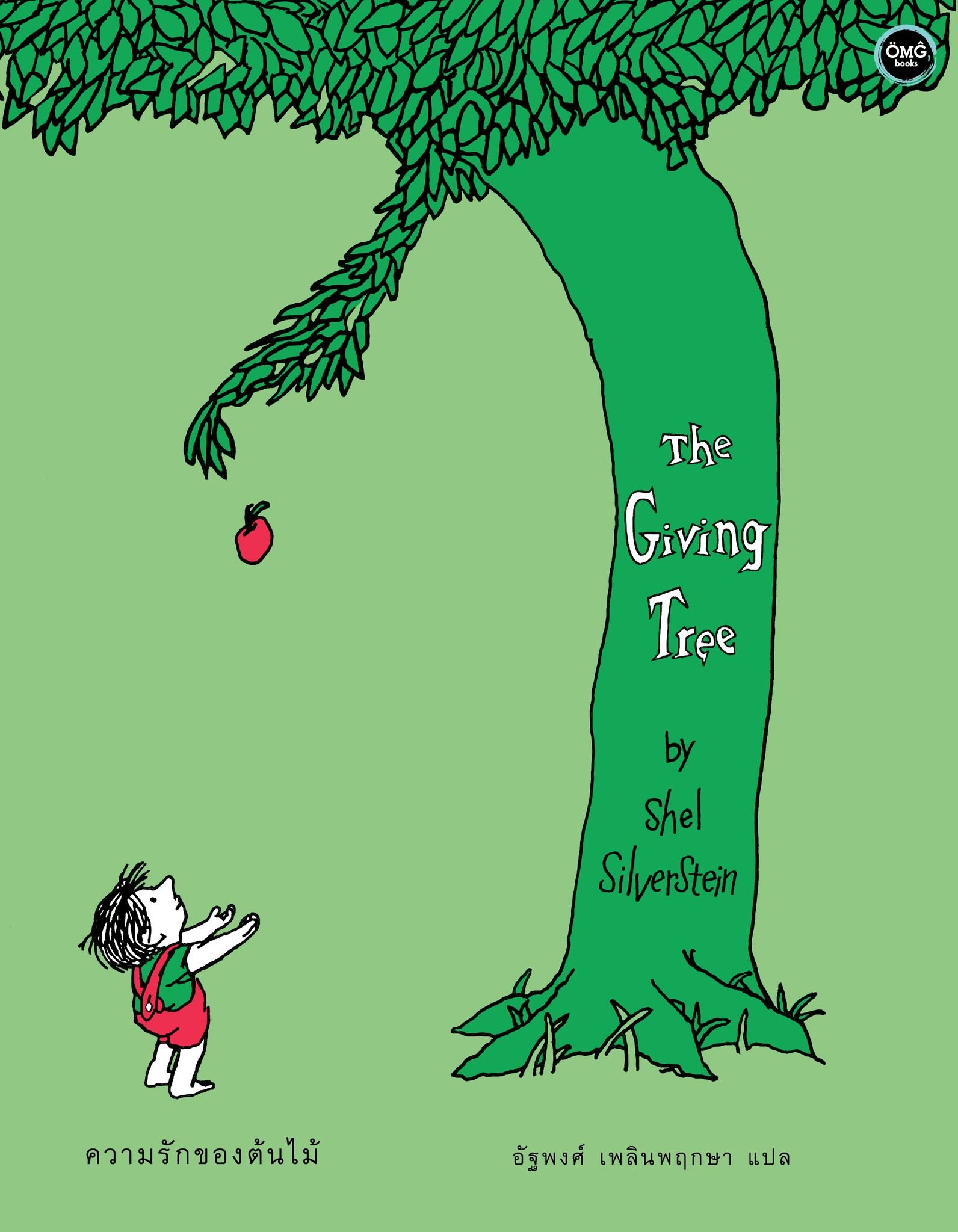
The Giving Tree by Shel Silverstein In the book, there is a young boy who grows older and wants more and more as he grows. The tree gives him everything he asks for, even if it means having nothing left. But the boy didn’t care. The tree didn’t stop giving because it wanted the boy to be happy, as the tree loved him very much. In the end, the boy realizes how much damage he has done and how much the tree gave him. He apologizes to the tree for being greedy and taking advantage of its kindness. This is a very good book on the topic of kindness and generosity because it shows that even though people love you and give you things, it doesn’t mean you should keep on asking for more and that there is a limit. Which teaches young children not to ask for too much.
Kiko Toma (6C)
Wonder by R. J. Palacio
I chose the book Wonder. I liked reading this because it always inspires me about acceptance, tolerance and not giving up, even when things get bad. This book connects to giving because many people in the book gave and showed Auggie (the main character) kindness, empathy and chose to be friends with him. Some people, like Jack Will, was initially friends with Auggie because Mr Tushman told him to, but later in the book they became true friends, showing acts of giving, kindness, generosity and empathy.
Key Stage 3 Recommendations:
Sarai Adams – Secondary English teacher Frieren: Beyond Journey’s End (Manga) written by Kanehito Yamada and illustrated by Tsukasa Abe
Frieren: Beyond Journey’s End, flips the classic fantasy formula. Instead of chronicling a hero’s quest, it begins after the Demon King’s defeat. The story follows Frieren, an elven mage whose long lifespan kept her distant from her human companions. Decades later, after Himmel the Hero’s death, she sets out on a new journey that teaches her the meaning of life and friendship. Through guiding young adventurers and helping strangers, Frieren learns that true kindness is selfless. Her quiet acts of generosity forge lasting bonds and show that small gestures can change lives. Expect stunning battles, heartfelt moments, and a reflective take on adventure that fans of fantasy will love.
Vicky Li – 7O Doraemon by Fujiko F. Fujio (Manga)
I recommend this comic called Doraemon because it shows kindness and friendship. This book is about a boy called Nobi Noby who is bad at sports, doesn’t do his homework, and is a total disaster. Then a robot cat from the future called Doraemon comes and helps Nobi with gadgets from his 4th dimensional pocket. It links to the theme because Doraemon uses gadgets to held Nobi who is his friend. You should read it because it shows kindness and links to the theme. (Also it is crazy fun to read).
Key stage 4 and Senior Studies Recommendations:
Katie Sloane – Head of English Faculty
Glorious Exploits by Ferdia Lennon
Funny, absurd and deeply moving, this wholly original take on the historical novel is a wonderful tale of giving and self-sacrifice. It is 412 BC, the Athenians have tried and failed to sack Sicily and are being kept in quarries in Syracuse to be ridiculed or tortured by locals seeking revenge. Along come two Euripides-loving lowlifes – well, one and his waster mate – to give purpose and hope to these doomed Athenians, bringing them much needed food and wine in exchange for their renditions and eventual performances of Medea and Women of Troy – fearful that these plays will be lost if they allow the Athenians to die. They give them much more than material goods – a sense of shared humanity amongst these straggling enemies.
Rinka Bunsokuwan, Year 12 Crime and Punishment – Fyodor Dostoevsky (Translation by Michael Katz)
Crime and Punishment follows a young man in St. Petersburg who becomes consumed by a dangerous idea and makes a decision that leaves him struggling with guilt, fear, and isolation. The novel focuses on the psychological effects that follow, showing how his beliefs, emotions, and relationships shift as he confronts the consequences of his actions. It is a character-driven story that explores moral conflict and the slow process of facing one’s own humanity.
The main character’s gradual change is guided not by punishment, but by the steady compassion of the people around him. Their support, patience, and willingness to care for someone at his lowest demonstrate how powerful simple human generosity can be. The story shows that kindness can influence a person more effectively than judgment, and that empathy can reach people even in difficult or morally complicated situations.
Chaiyanat (Win) Kuptivej 12B
A Silent Voice, Manga series by Yoshitoki Ōima
The story centers on Shoya Ishida, a high school student haunted by his past. In elementary school, he relentlessly bullied a deaf classmate named Shoko Nishimiya, eventually forcing her to transfer schools. As a result, his classmates turned on him, leaving him ostracized and isolated for years. Now older and filled with regret, Shoya learns sign language and seeks out Shoko to make amends, trying to bridge the gap he created between them.
This series explores a profound type of kindness: atonement and forgiveness. It is about is the immense generosity required to forgive someone who has hurt you, and the selfless dedication required to fix what is broken. It teaches that kindness is often a deliberate choice to understand someone different from yourself. Shoya’s dedication to learning sign language to atone for his past mistakes serves as a powerful reminder that true kindness often requires the generous gift of time, effort, and a willingness to truly understand someone else.
Image courtesy of https://www.waynedenner.com/snapchat-ai-setting-parents-need-to-know/ Social media platforms are increasingly using artificial intelligence (AI) to improve their services. Snapchat is no […]
School Photos and Family Portraits
Year 1 – Year 6 photos: 19th – 23rd January; Foundation Stage photos: 5th – 6th February; Secondary School photos: 29th January – 6th February
This year school photos will be taken by Sunshine Photos. Under the agreement, all photos will be stored by Sunshine for 1 year and then the files will be deleted to comply with PDPA guidelines. Sunshine offers a large variety of products, which they will detail when the student proofs are sent home.
School photos taken in Term 2 will be used on all school databases and on report cards, etc. from Term 3 of this academic year through to the end of Term 2 of the next academic year.
CLASS AND INDIVIDUAL PHOTOS
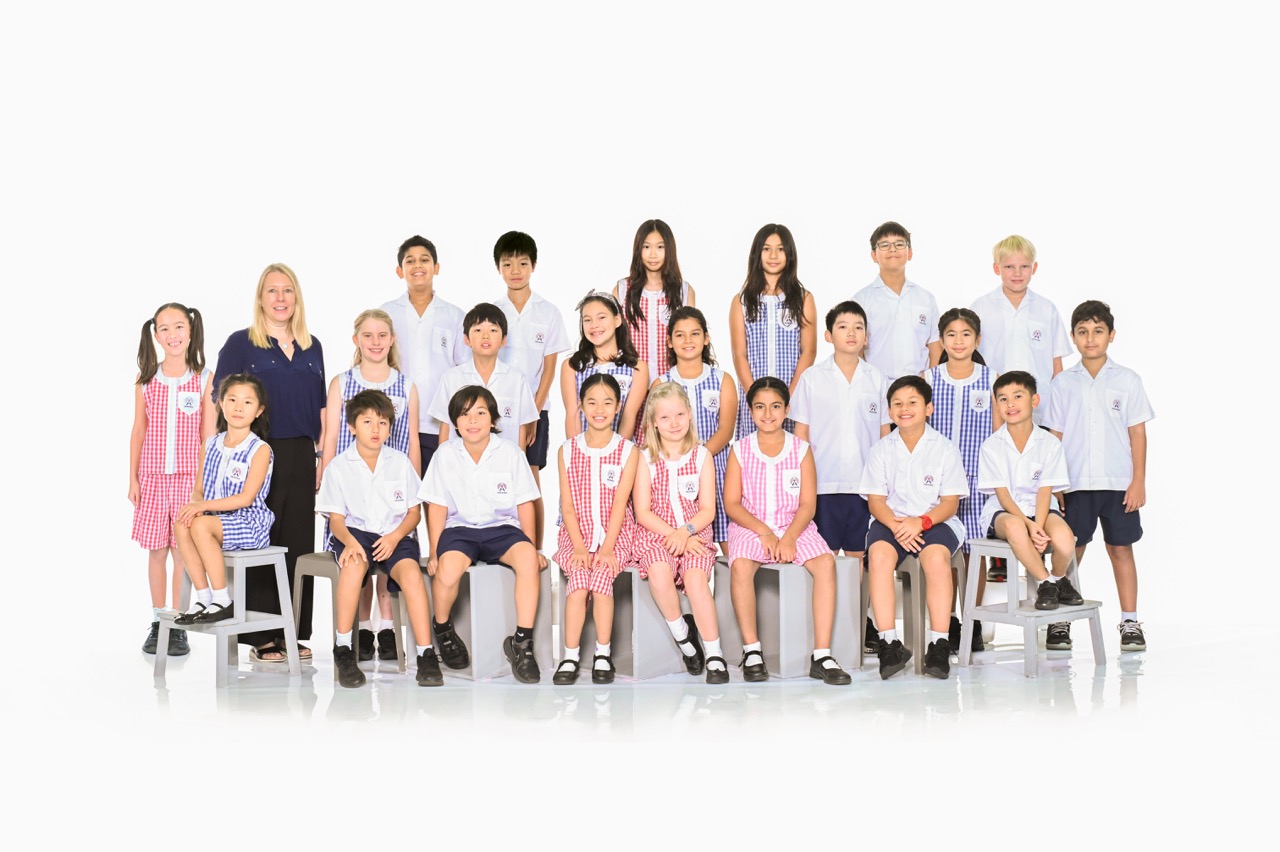
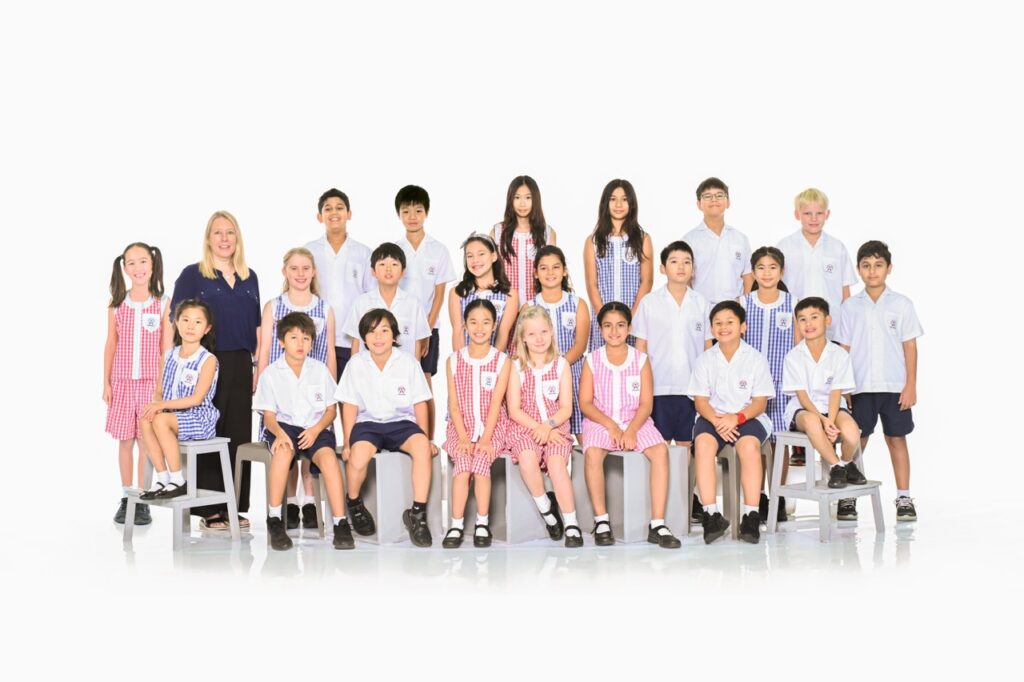
Your child’s class teacher/tutor will let the students know when their class photo is scheduled. Class photos are taken with students and their teachers, parents are not allowed into the photo room.
If your child misses their class photo, they will not be digitally added into the group photo. In the Yearbook, we will add a separate photo of the missing child beside the group photo.
WHAT IF MY CHILD IS SICK ON THEIR PHOTO DAY?
If you know ahead of time that your child will not be present for their photo, please inform their class teacher/ tutor so that an alternate day for their photo can be arranged.
Primary: If your child misses their photo day, please contact their class teacher to ensure your child goes to the photo location within 23rd January to have their individual photos taken. No appointment is necessary during school hours. The student will need to show their Patana card (Years 3 – 13), or be accompanied by an adult.
Secondary: Students should head to the photo room to have their photo taken, immediately upon returning to school between 29th January – 6th February. No appointment is necessary. They should have their Patana card with them.
Catch Up Day: A catch-up day will be scheduled and communicated via the Secondary Daily Notices and Primary Class Teachers. The catch-up day will only be for individual photos, not for groups. Students who were unable to get their photo taken during the two initial weeks of scheduled school photos, should get their photo taken on this day.
CAN WE HAVE A FAMILY PHOTO TAKEN?
Appointments for family photos can be requested by filling this form. Requests will be considered on a first come first serve basis.
Image courtesy of https://www.waynedenner.com/snapchat-ai-setting-parents-need-to-know/ Social media platforms are increasingly using artificial intelligence (AI) to improve their services. Snapchat is no […]
As we approach the festive season, World Languages students in Year 9 had a special opportunity to learn some interesting […]
School Photos and Family Portraits
Year 1 – Year 6 photos: 19th – 23rd January; Foundation Stage photos: 5th – 6th February; Secondary School photos: 29th January – 6th February
This year school photos will be taken by Sunshine Photos. Under the agreement, all photos will be stored by Sunshine for 1 year and then the files will be deleted to comply with PDPA guidelines. Sunshine offers a large variety of products, which they will detail when the student proofs are sent home.
School photos taken in Term 2 will be used on all school databases and on report cards, etc. from Term 3 of this academic year through to the end of Term 2 of the next academic year.
CLASS AND INDIVIDUAL PHOTOS
Your child’s class teacher/tutor will let the students know when their class photo is scheduled. Class photos are taken with students and their teachers, parents are not allowed into the photo room.
If your child misses their class photo, they will not be digitally added into the group photo. In the Yearbook, we will add a separate photo of the missing child beside the group photo.
WHAT IF MY CHILD IS SICK ON THEIR PHOTO DAY?
If you know ahead of time that your child will not be present for their photo, please inform their class teacher/ tutor.
Primary: If your child misses their photo day, please contact their class teacher to ensure your child goes to the photo location within 23rd January to have their individual photos taken. No appointment is necessary during school hours. The student will need to show their Patana card (Years 3 – 13), or be accompanied by an adult.
Secondary: Students should head to the CON 420 to have their photo taken, immediately upon returning to school between 29th January – 6th February. No appointment is necessary. They should have their Patana card with them.
Catch Up Day: A catch-up day will be scheduled and communicated via the Secondary Daily Notices and Primary Class Teachers. The catch-up day will only be for individual photos, not for groups. Students who were unable to get their photo taken during the two initial weeks of scheduled school photos, should get their photo taken on this day.
CAN WE HAVE A FAMILY PHOTO TAKEN?
Appointments for family photos can be requested by filling this form. Requests will be considered on a first come first serve basis.
Image courtesy of https://www.waynedenner.com/snapchat-ai-setting-parents-need-to-know/ Social media platforms are increasingly using artificial intelligence (AI) to improve their services. Snapchat is no […]
TERAC – Thailand’s Environmental Reptiles and Amphibians Committee is a Senior team dedicated to improving the lives of and raising […]
School Photos and Family Portraits
Secondary School photos: 29th January – 6th February; Foundation Stage photos: 5th – 6th February
This year school photos will be taken by Sunshine Photos. Under the agreement, all photos will be stored by Sunshine for 1 year and then the files will be deleted to comply with PDPA guidelines. Sunshine offers a large variety of products, which they will detail when the student proofs are sent home.
School photos taken in Term 2 will be used on all school databases and on report cards, etc. from Term 3 of this academic year through to the end of Term 2 of the next academic year.
CLASS AND INDIVIDUAL PHOTOS
Your child’s class teacher/tutor will let the students know when their class photo is scheduled. Class photos are taken with students and their teachers, parents are not allowed into the photo room.
If your child misses their class photo, they will not be digitally added into the group photo. In the Yearbook, we will add a separate photo of the missing child beside the group photo.
WHAT IF MY CHILD IS SICK ON THEIR PHOTO DAY?
If you know ahead of time that your child will not be present for their photo, please inform their class teacher/ tutor.
Primary: If your child misses their photo day, please contact their class teacher to ensure your child goes to the photo location within 23rd January to have their individual photos taken. No appointment is necessary during school hours. The student will need to show their Patana card (Years 3 – 13), or be accompanied by an adult.
Secondary: Students should head to the CON 420 to have their photo taken, immediately upon returning to school between 29th January – 6th February. No appointment is necessary. They should have their Patana card with them.
Catch Up Day: A catch-up day will be scheduled and communicated via the Secondary Daily Notices and Primary Class Teachers. The catch-up day will only be for individual photos, not for groups. Students who were unable to get their photo taken during the two initial weeks of scheduled school photos, should get their photo taken on this day.
CAN WE HAVE A FAMILY PHOTO TAKEN?
Appointments for family photos can be requested by filling this form. Requests will be considered on a first come first serve basis.
Image courtesy of https://www.waynedenner.com/snapchat-ai-setting-parents-need-to-know/ Social media platforms are increasingly using artificial intelligence (AI) to improve their services. Snapchat is no […]
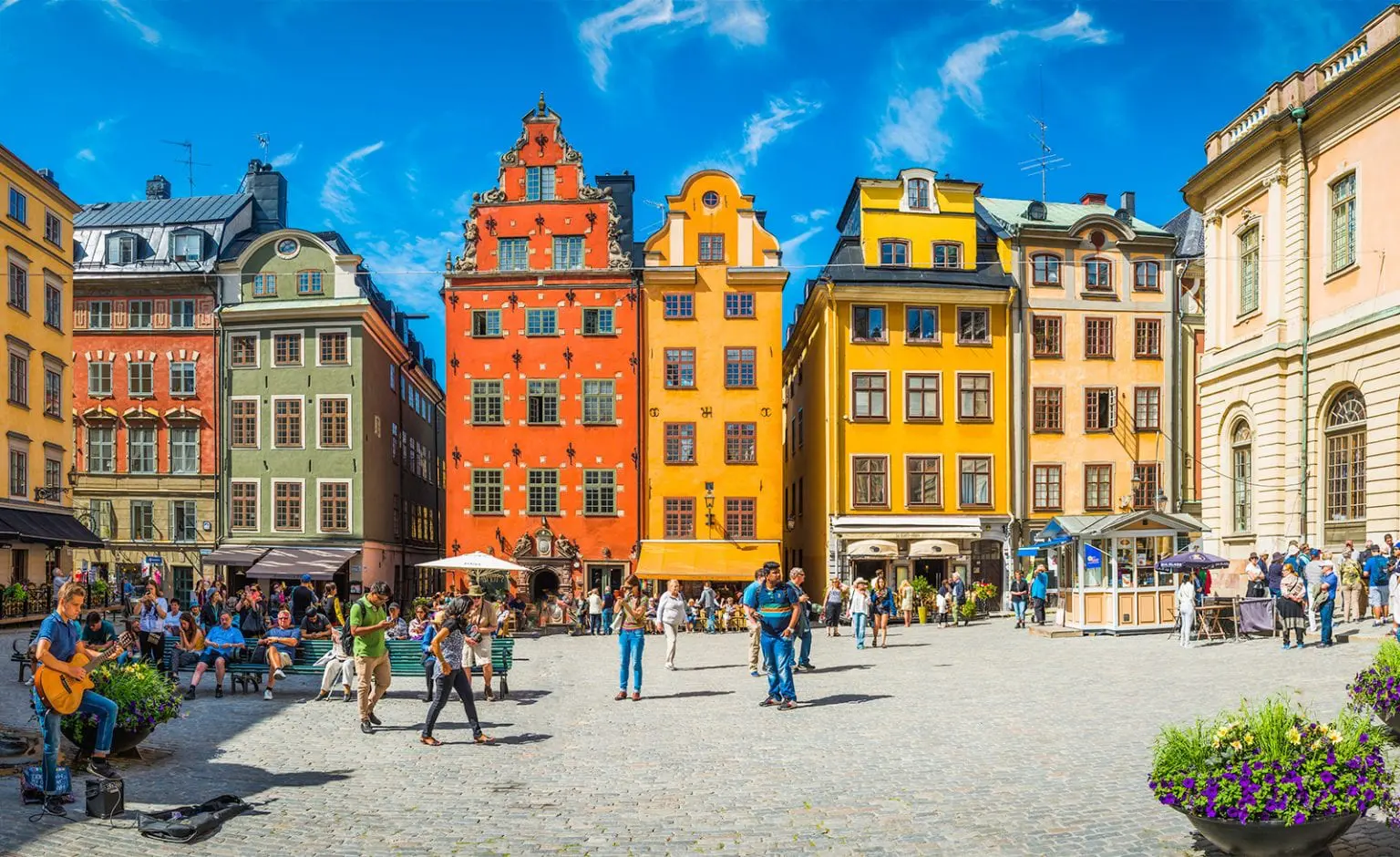
Image credit : https://www.metromba.com/2020/01/scandinavia-business-schools/ In November, I had the opportunity to visit three business schools across Scandinavia, and returned genuinely […]
The Patana Pod
By Carly Peart, Vice Principal, Professional Learning
In this month’s episode of the Patana Pod, we sit down with Chris Walsh, our new Assistant Leader of Primary PE.
With a lifelong connection to sport and a teacher’s eye for what sparks student enthusiasm, Chris shares the journey that has shaped his work in and beyond the PE curriculum. He reflects on how gamification can harness young people’s motivation, why purposeful play matters, and the moments of joy that have kept him inspired in teaching.
Chris also opens up about what excites him most in his new role, the opportunities he sees ahead, and how he aims to champion student engagement, wellbeing and creativity through movement, challenge and game–based learning. We share our warmest congratulations again to Chris on becoming a dad for the first time. A very special chapter.
Image courtesy of https://www.waynedenner.com/snapchat-ai-setting-parents-need-to-know/ Social media platforms are increasingly using artificial intelligence (AI) to improve their services. Snapchat is no […]
Image credit : https://www.metromba.com/2020/01/scandinavia-business-schools/ In November, I had the opportunity to visit three business schools across Scandinavia, and returned genuinely […]
All term, the Student Environmental Committee (SEC) have been busy preparing for their solar village trip, which happened from the […]
Patana Students Explore Global Economics with visiting Speaker Jon Wongswan
By Hasan Ghazi, Business and Economics Teacher
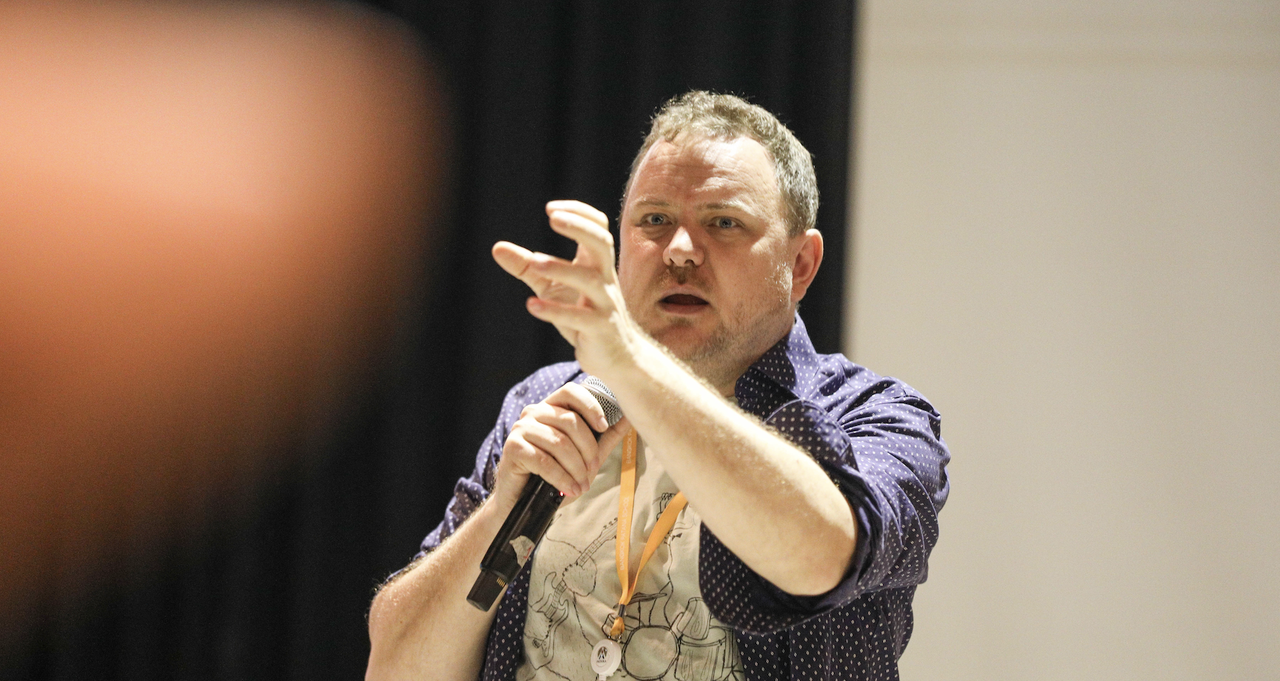
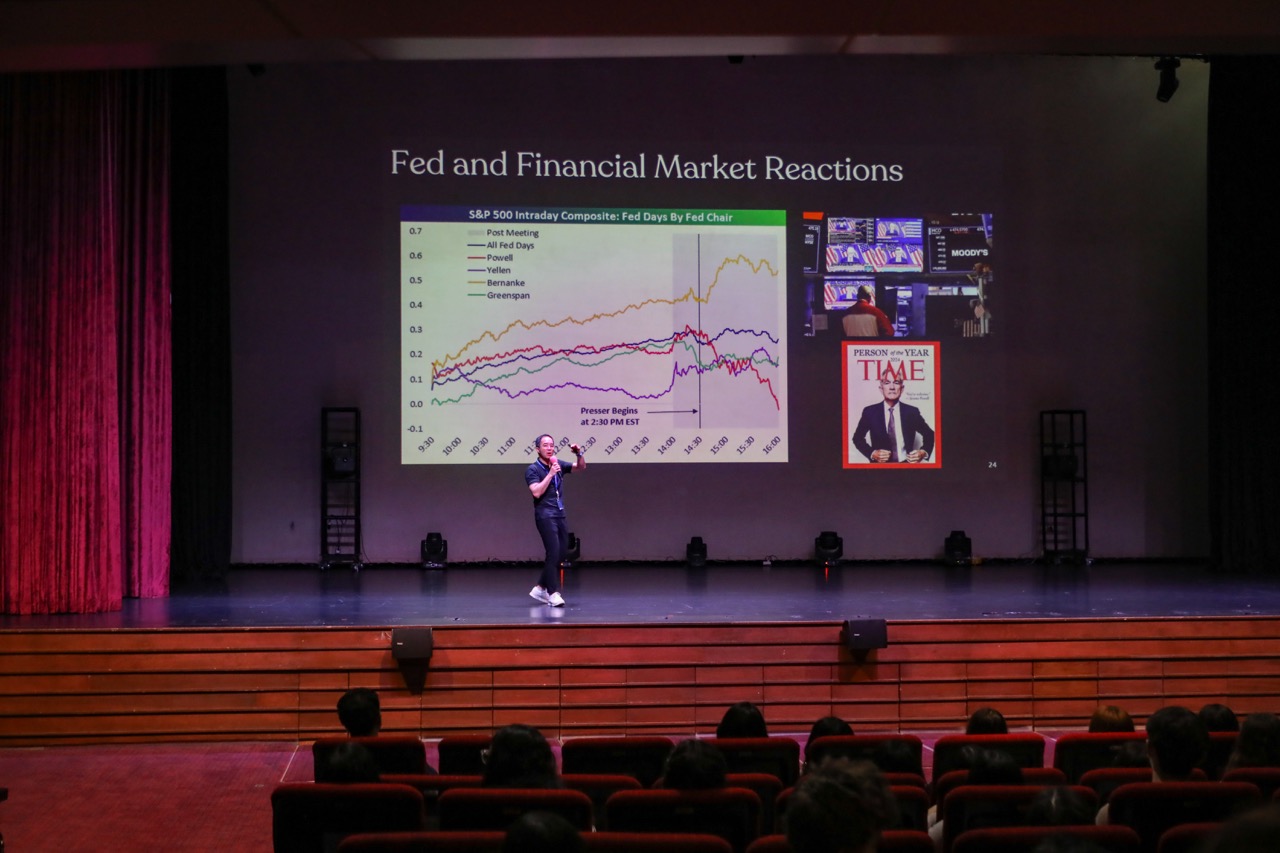
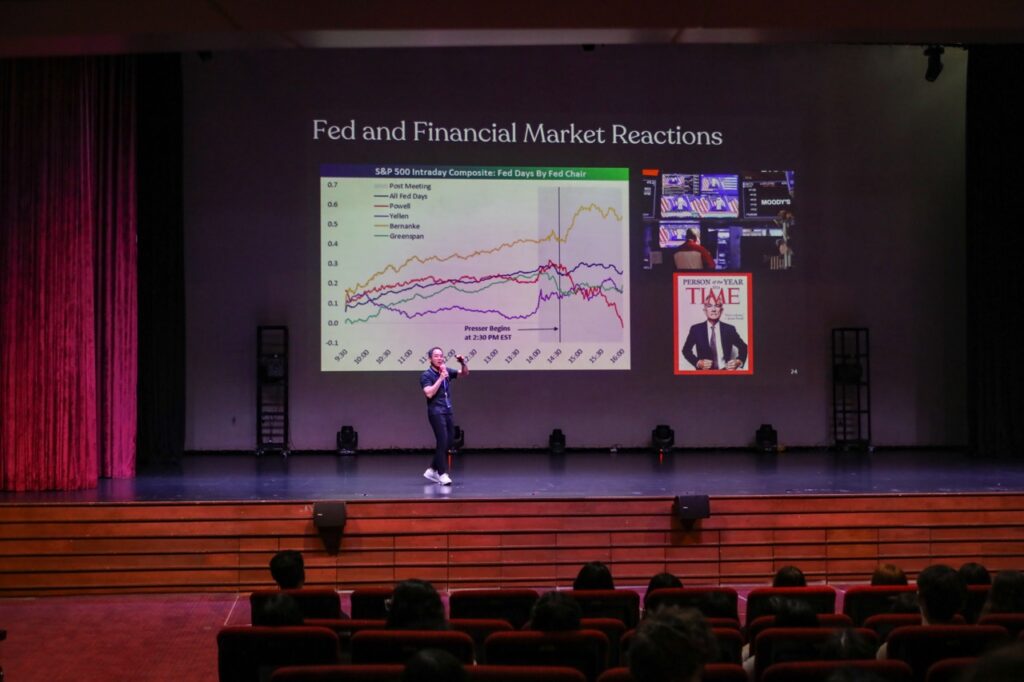
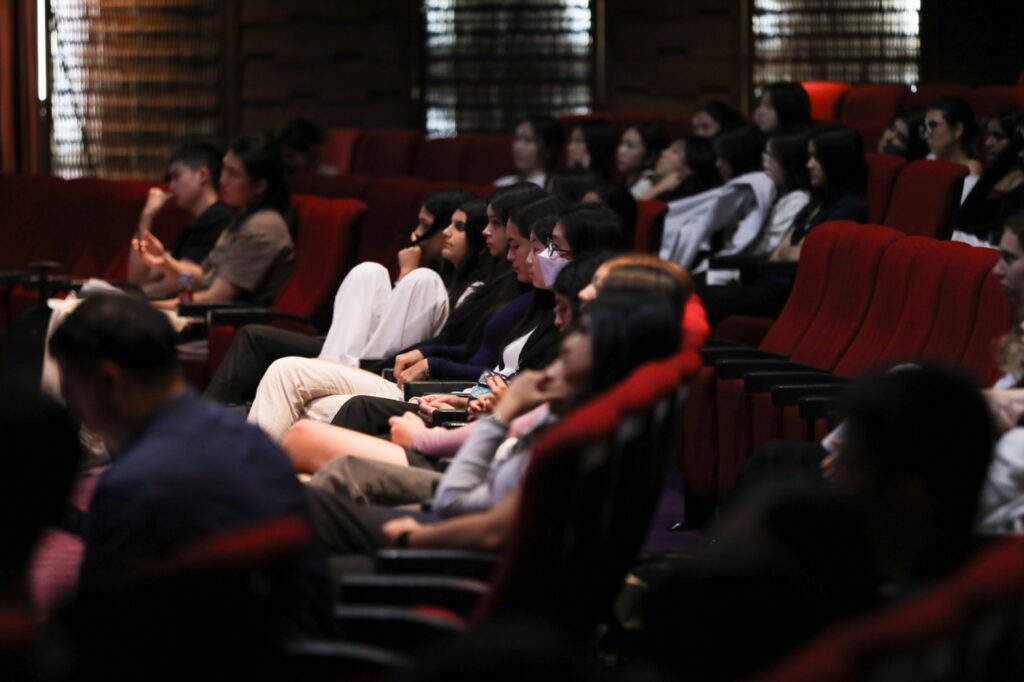
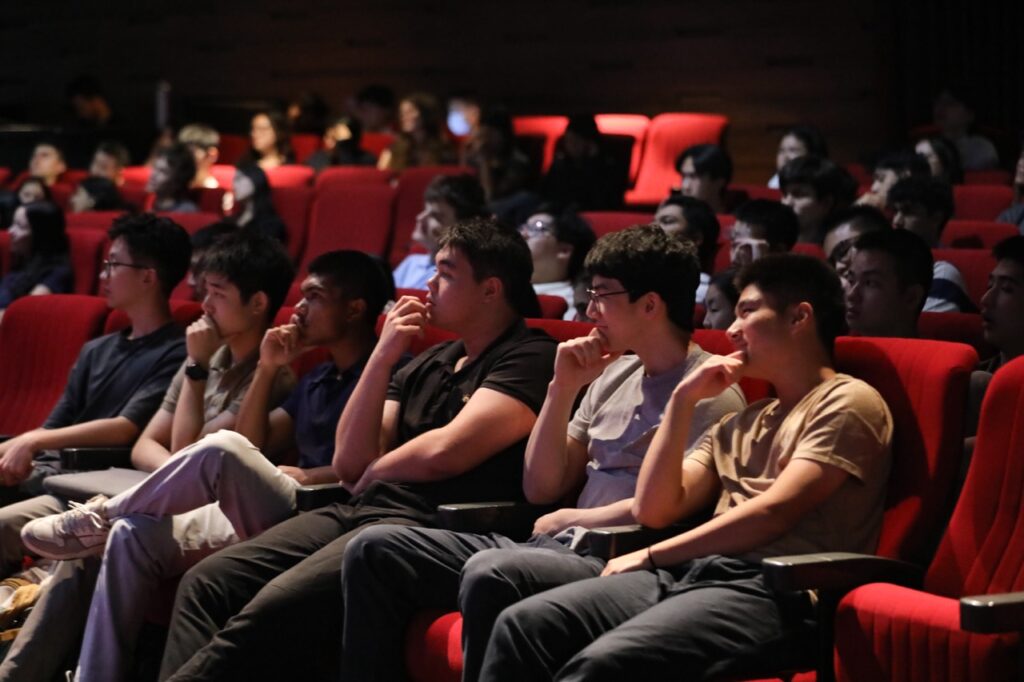
On Thursday, 4th December 2025, Bangkok Patana welcomed Jon Wongswan, one of our parents for a talk with our Senior Business and Economics students. With almost 225 students filling the Theatre, the session had the atmosphere of a packed university lecture.
Jon brought a wealth of experience, from his years as an Economist at the Federal Reserve Board in Washington, D.C., to his roles in investment research and fund management in Thailand and the US. Using the visuals from his slide deck, he walked students through the role of central banks, inflation, financial crises and how decisions made in the U.S. can directly affect Thailand’s economy.
The session wrapped up with a lively Q&A, which quickly became one of the highlights of the morning. Students were especially drawn to Jon’s story about how he landed his position at the Federal Reserve, a famously competitive process with over 400 applicants, of which only 10 were selected. Hearing about the persistence, pressure, and preparation behind that journey gave students a real sense of what it takes to succeed in the field.
Jon also shared anecdotes from his daily work at the Fed, including the early-morning briefings to Governors and the research that can influence national policy. His candid storytelling made the experience feel personal and accessible, even for students just starting to explore the world of economics.
Overall, the talk gave students a rare, first-hand look at how global financial systems function and how economic decisions shape everyday life. Judging by the buzz in the Theatre afterward, Jon’s visit left a strong impression and plenty of inspiration for the next generation of economists and business leaders.
Image courtesy of https://www.waynedenner.com/snapchat-ai-setting-parents-need-to-know/ Social media platforms are increasingly using artificial intelligence (AI) to improve their services. Snapchat is no […]
Image credit : https://www.metromba.com/2020/01/scandinavia-business-schools/ In November, I had the opportunity to visit three business schools across Scandinavia, and returned genuinely […]
Term 1 has been an incredible start to the Duke of Edinburgh’s International Award program (DOEIA) and my time at Bangkok […]
Problem Solving in Year 1
By Michael Dolan-Hodgson, Year 1 Leader, Pastoral
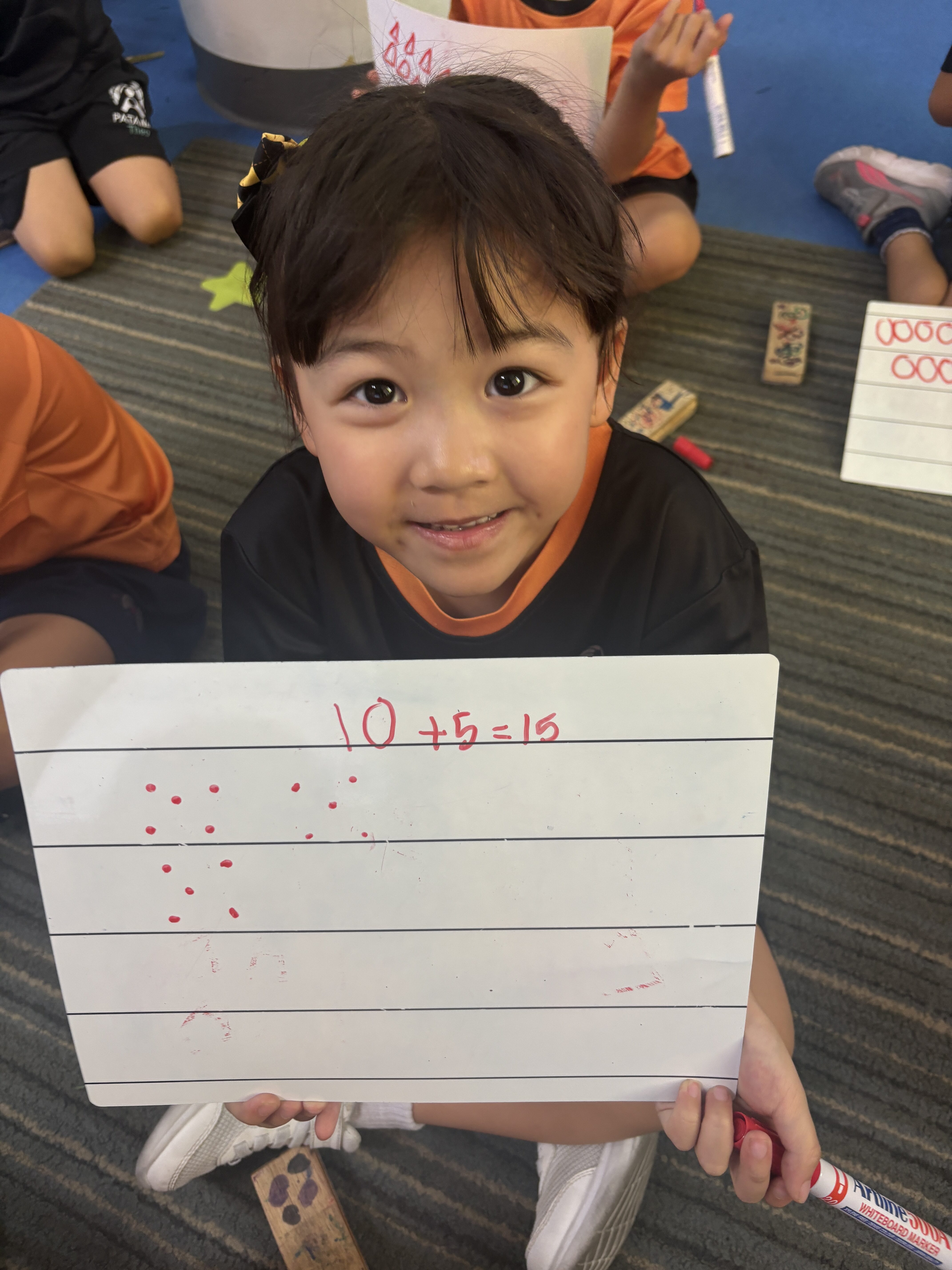
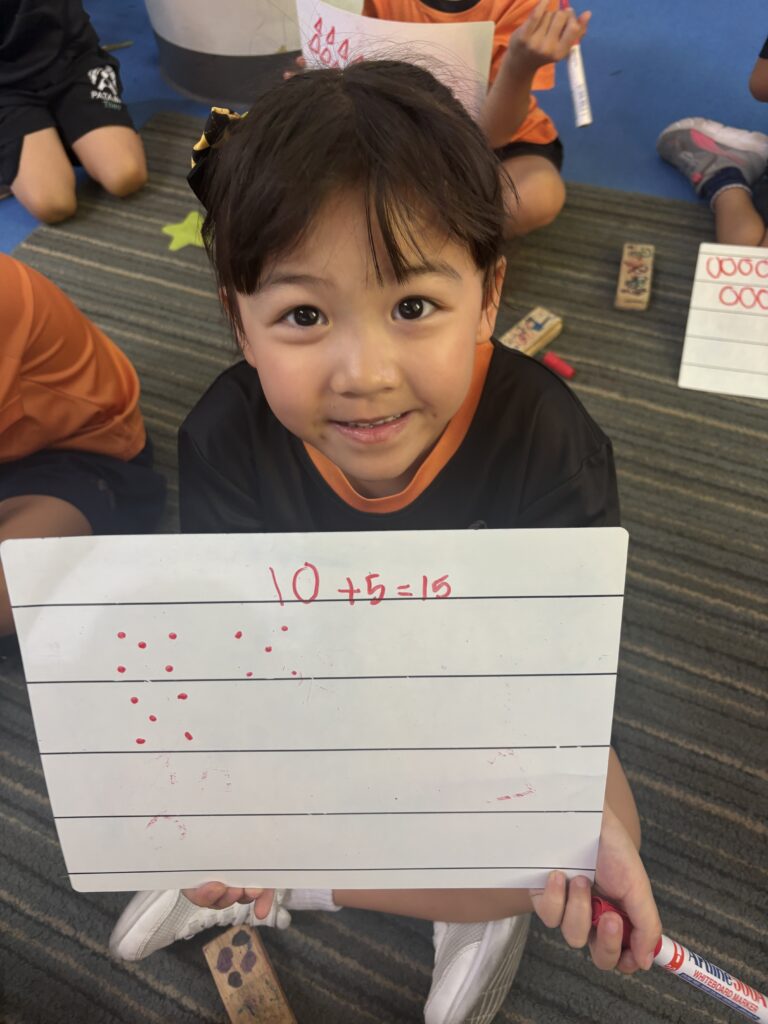
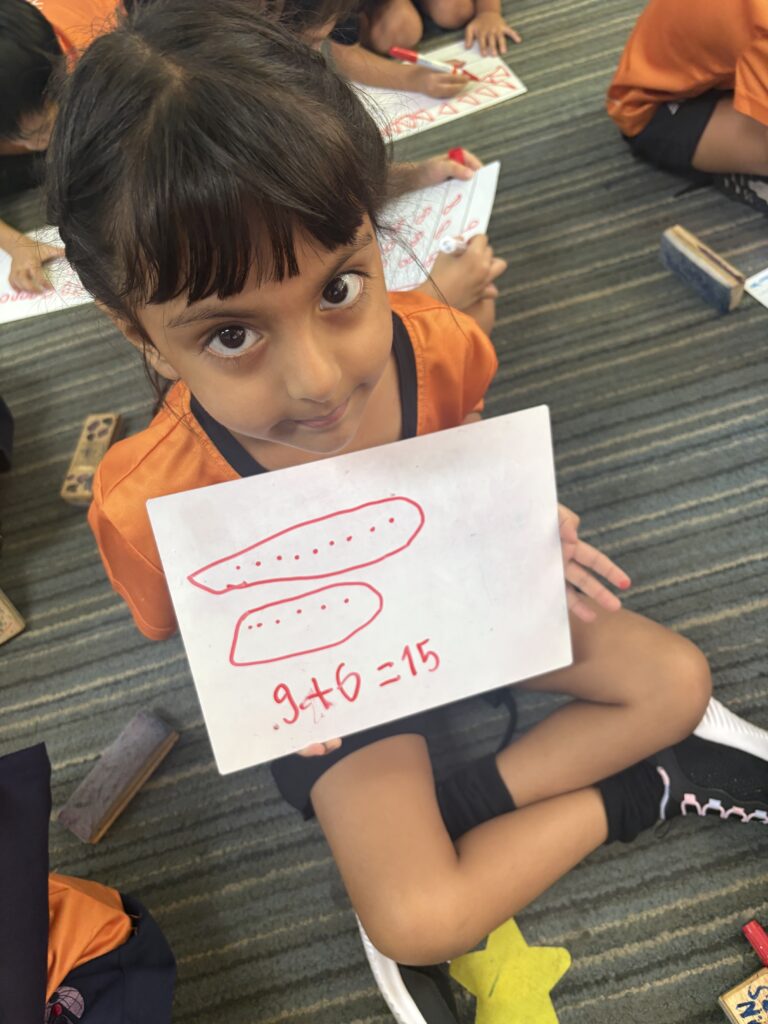
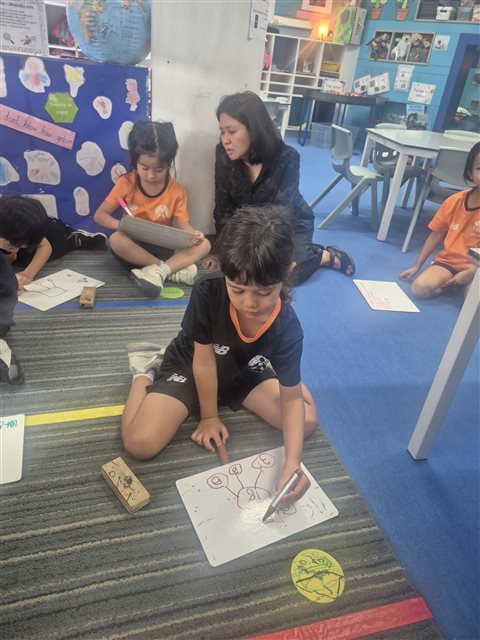
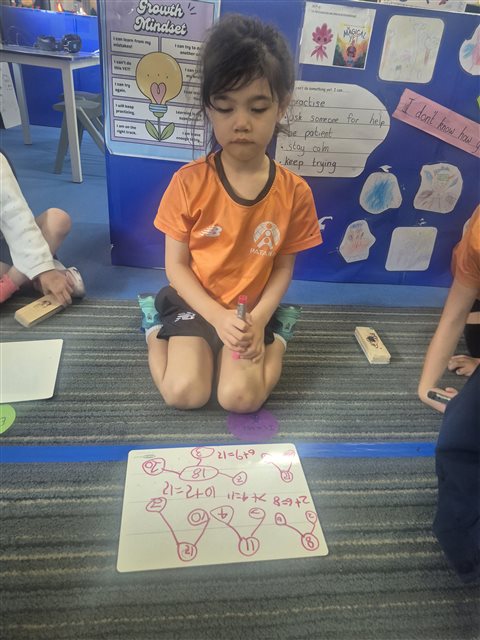
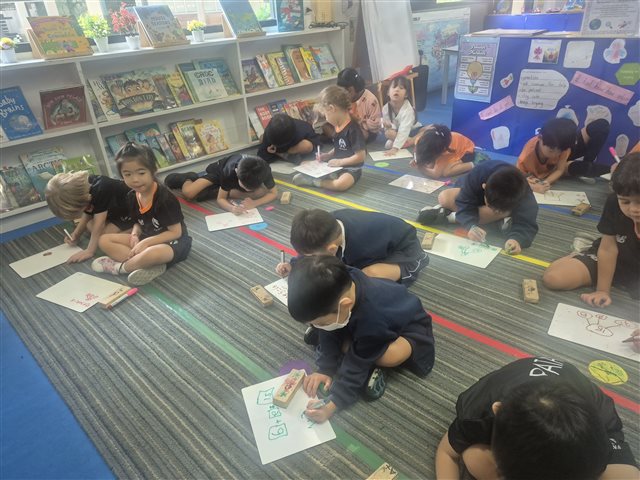
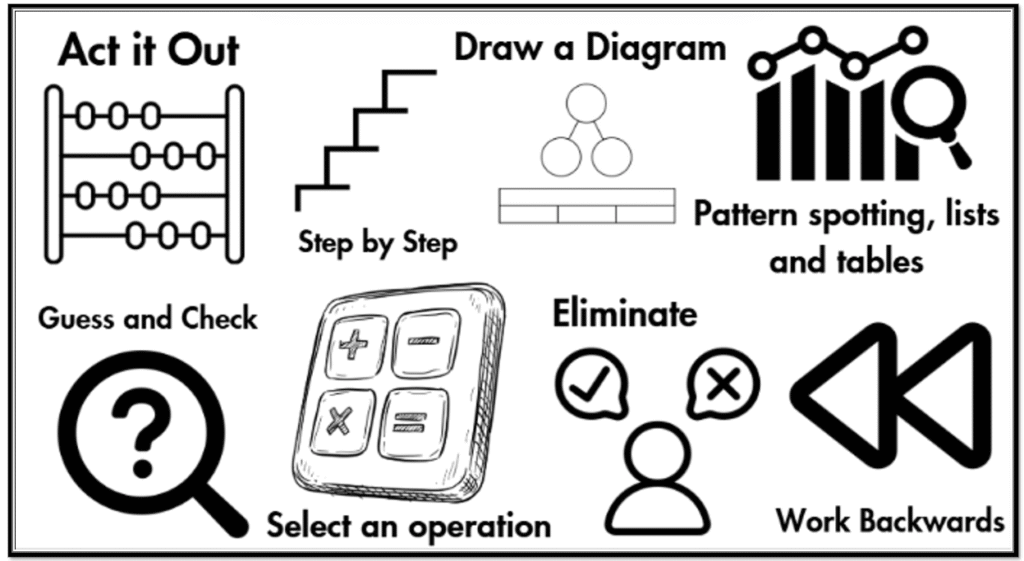
This term we’re introducing a new approach to teaching problem solving in maths. Our aim is simple: to help children think deeply, talk about their ideas, and enjoy working with numbers.
What Will this Look Like in Class?
We’ll begin with short activities that get children talking. For example, they might look at a picture and share what they notice. These conversations help them see maths in everyday life and use clear language to explain their thinking.
We’ll also use tasks like Odd One Out and Explain. In these, children share their opinions and listen to others. Children will learn that there isn’t always just one “right way” to solve a problem.
The Big Change – Draw A Diagramme
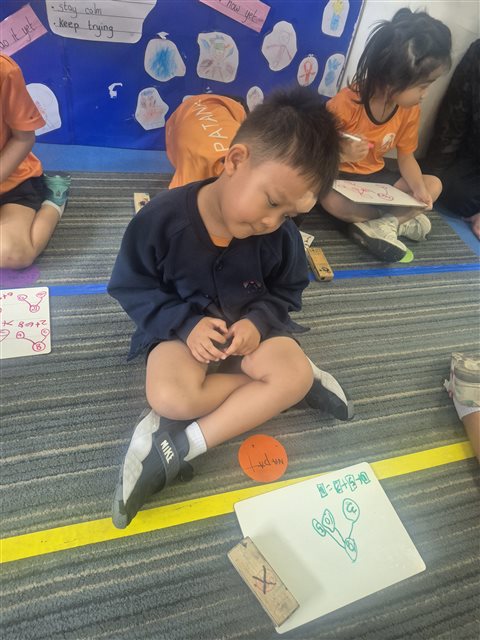
This is at the heart of our new approach. When children meet a problem, we’ll ask them to draw a picture to show what is happening. For example, if the question is about sharing apples, they might draw the apples and the people.
Drawing helps children see the maths and understand the situation before they work out the answer. It’s a simple but powerful way to make tricky ideas clearer.
Learning From Mistakes
We’ll also look carefully at mistakes. Activities like Explain the Mistakes and Which Answer? help children understand why an answer is correct or not. This builds confidence and clears up misunderstandings.
Thinking Creatively
Finally, we’ll challenge children to think creatively. Tasks such as How Many Ways?, Explore and Extend give them the chance to find different solutions and notice patterns. This makes maths more exciting and helps them become flexible, confident thinkers.
Why Does this Matter?
Problem solving is not just about getting the right answer. It’s about understanding ideas, asking questions, and explaining reasoning. Draw It Out gives children a practical tool to make sense of problems and share their thinking with others.
How Can You Help at Home?
When your child is solving a problem, you could ask:
• Can you draw it?
• How do you know?
• Can you find another way?
These questions match the language we use in class and support the same way of thinking. Have fun problem solving!
Image courtesy of https://www.waynedenner.com/snapchat-ai-setting-parents-need-to-know/ Social media platforms are increasingly using artificial intelligence (AI) to improve their services. Snapchat is no […]
Image credit : https://www.metromba.com/2020/01/scandinavia-business-schools/ In November, I had the opportunity to visit three business schools across Scandinavia, and returned genuinely […]
Social media platforms are increasingly using artificial intelligence (AI) to improve their services. Snapchat is no exception. A little-known setting called “Allow Use of Public Content” is switched on by default and allows Snapchat to use anything your child shares publicly, such as Stories, Snap Map updates, and Spotlight videos to train its AI systems.
Why does this matter?
Expanding digital footprints: Posts that seem harmless can become part of large AI datasets.
Loss of control: Once content is used to train AI, it’s almost impossible to remove.
Lack of awareness: Most young people (and parents) don’t realise this setting exists.
While private Snaps and chats aren’t affected, public posts are fair game. For teens who share impulsively, this raises important privacy concerns.
What can you do?
Checking and changing this setting takes less than a minute:
Open Snapchat → Settings → My Privacy and Data → Generative AI Settings.
Toggle off “Allow Use of Public Content.”
This is a great chance to start a positive conversation about online privacy and AI. Try these prompts:
“Did you know Snapchat can use your public posts to train its AI?”
“Let’s check your settings together.”
“I’m not trying to stop you using Snapchat, just helping you stay in control.”
Image credit : https://www.metromba.com/2020/01/scandinavia-business-schools/ In November, I had the opportunity to visit three business schools across Scandinavia, and returned genuinely […]
By Chris Wakeling, Teacher of German and French, Head of Samui House
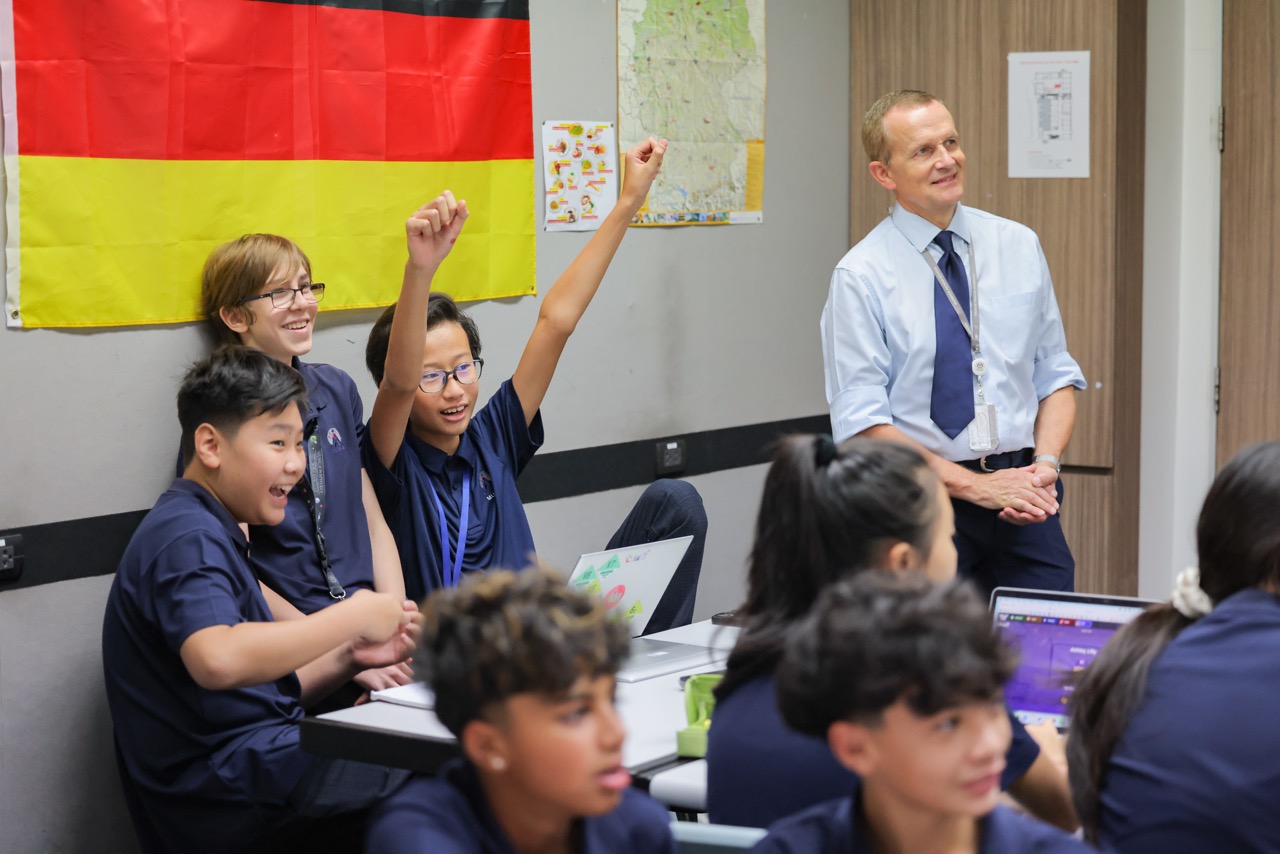
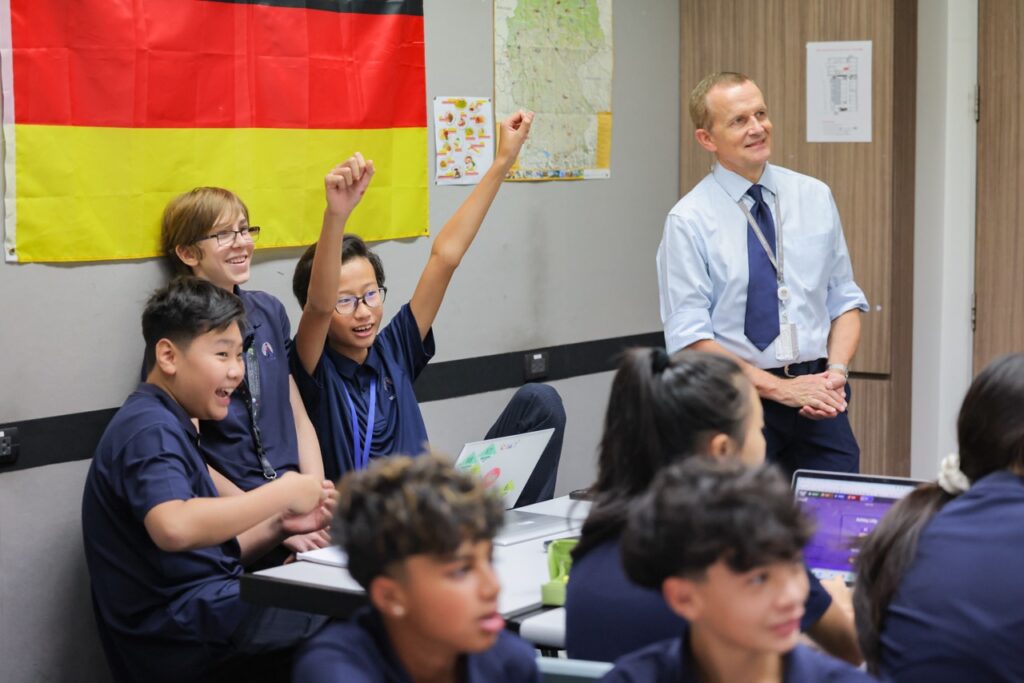
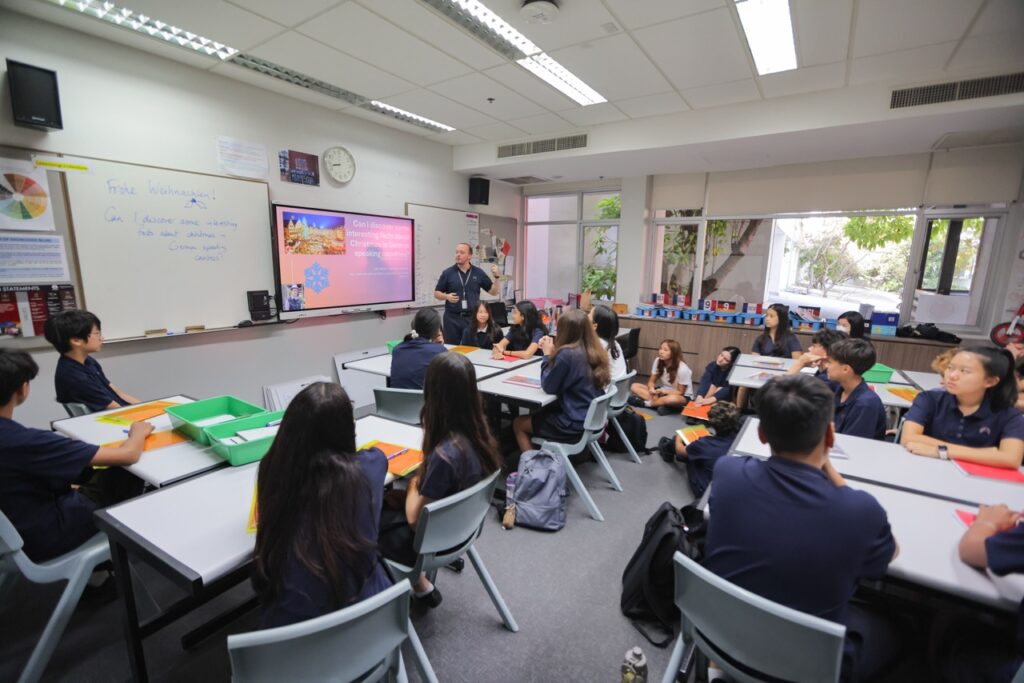
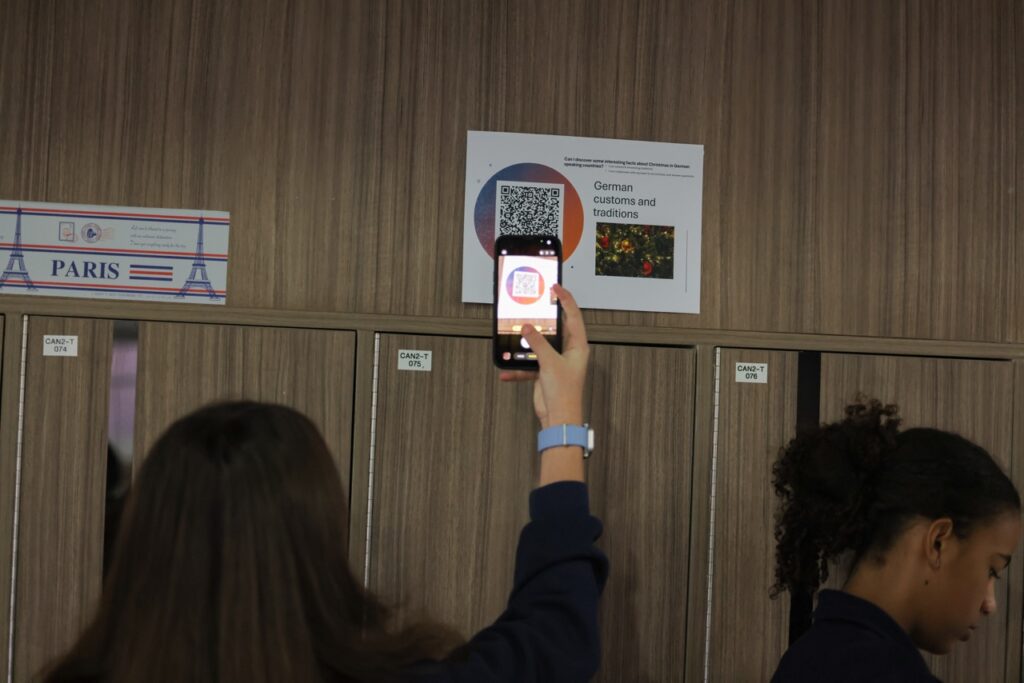
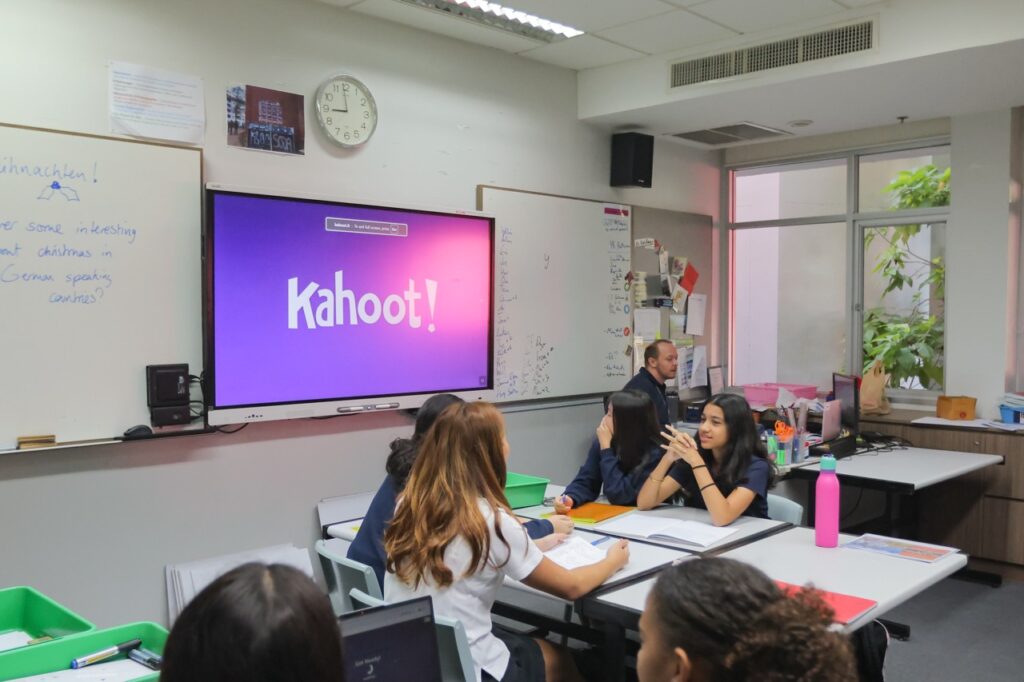
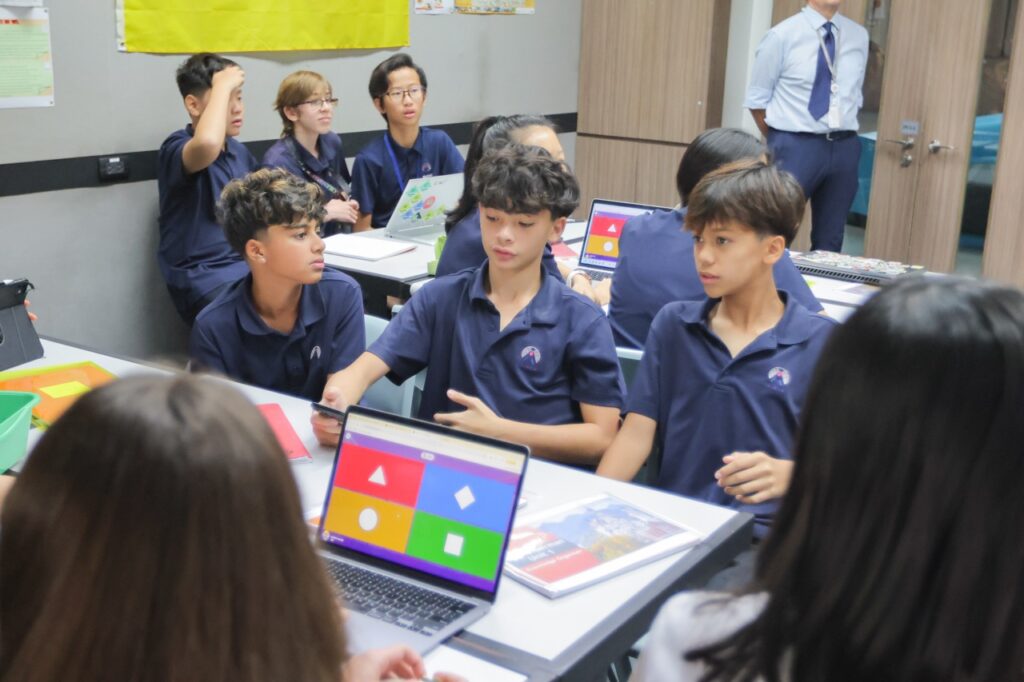
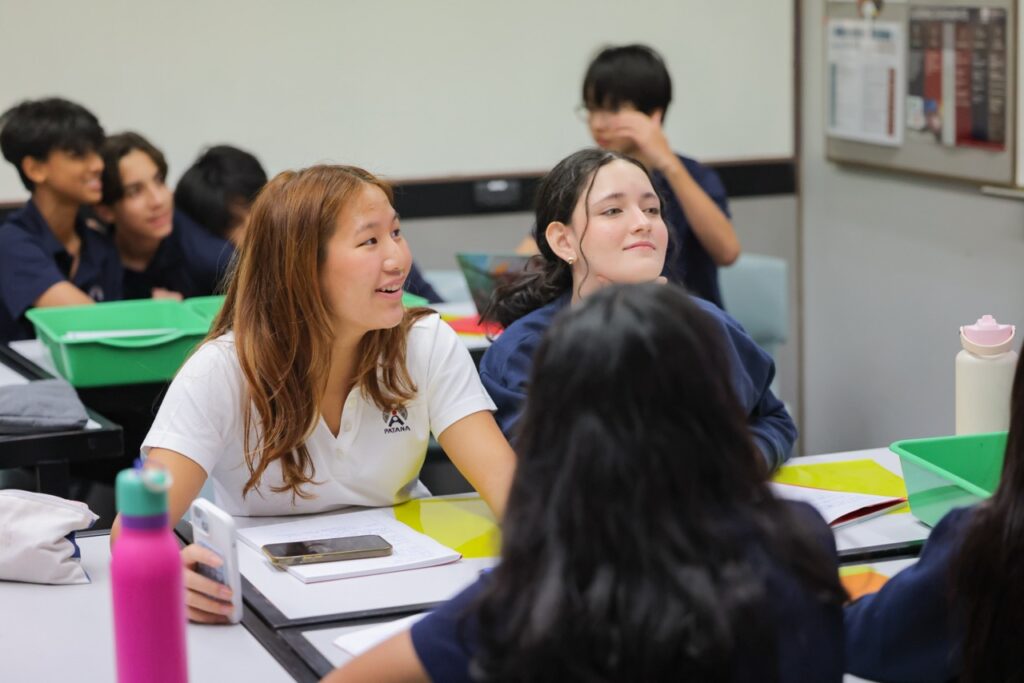
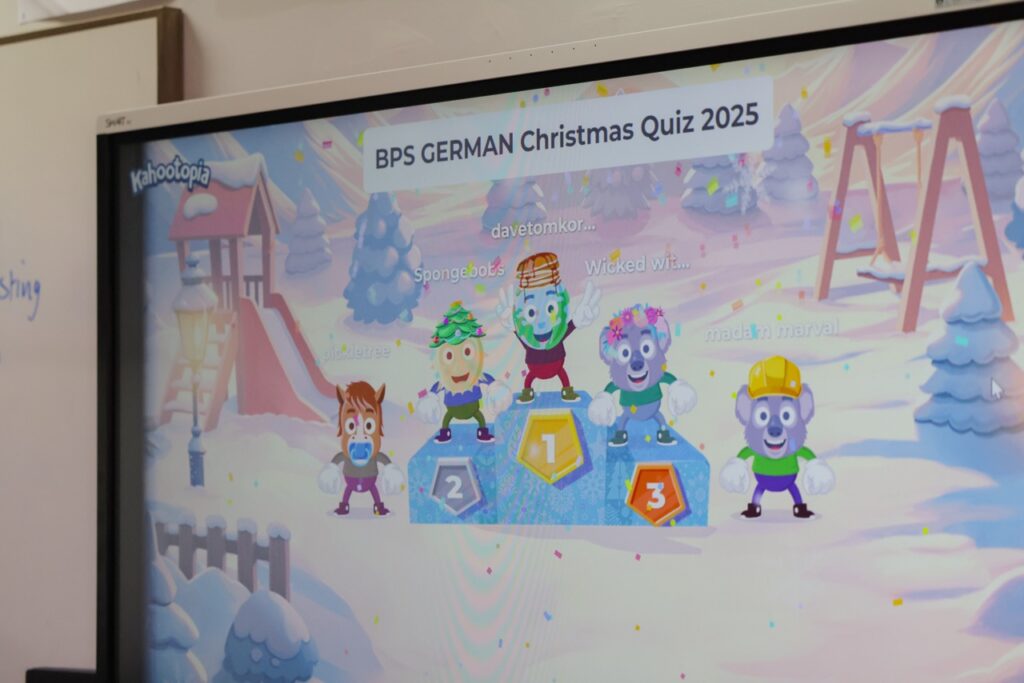
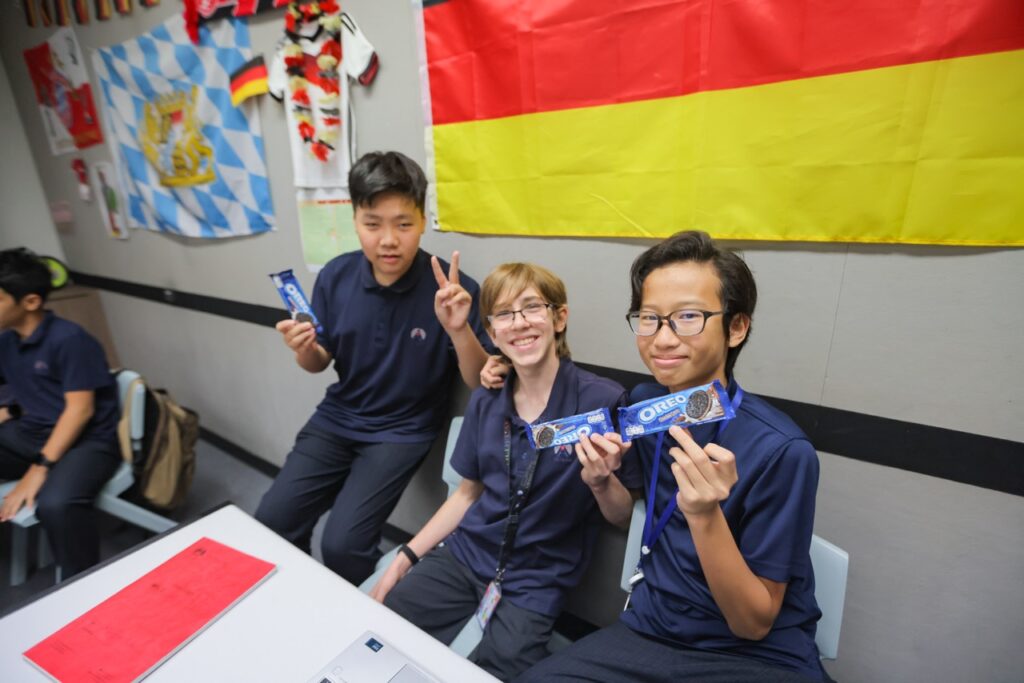
As we approach the festive season, World Languages students in Year 9 had a special opportunity to learn some interesting and unusual facts all about Christmas traditions in German speaking countries during their MFL2 lesson this week.
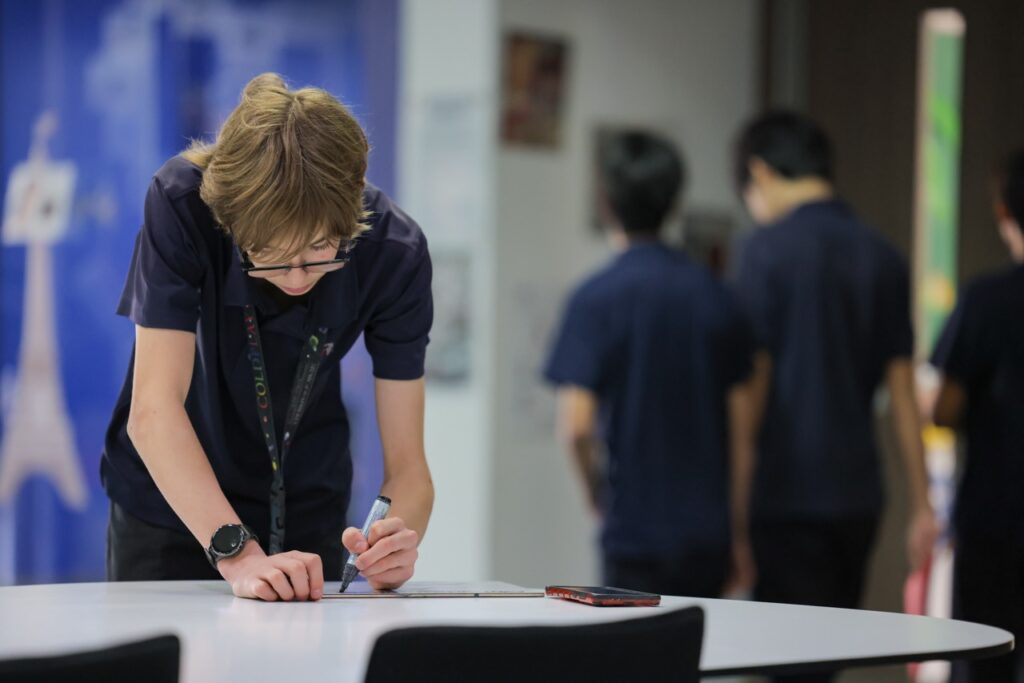
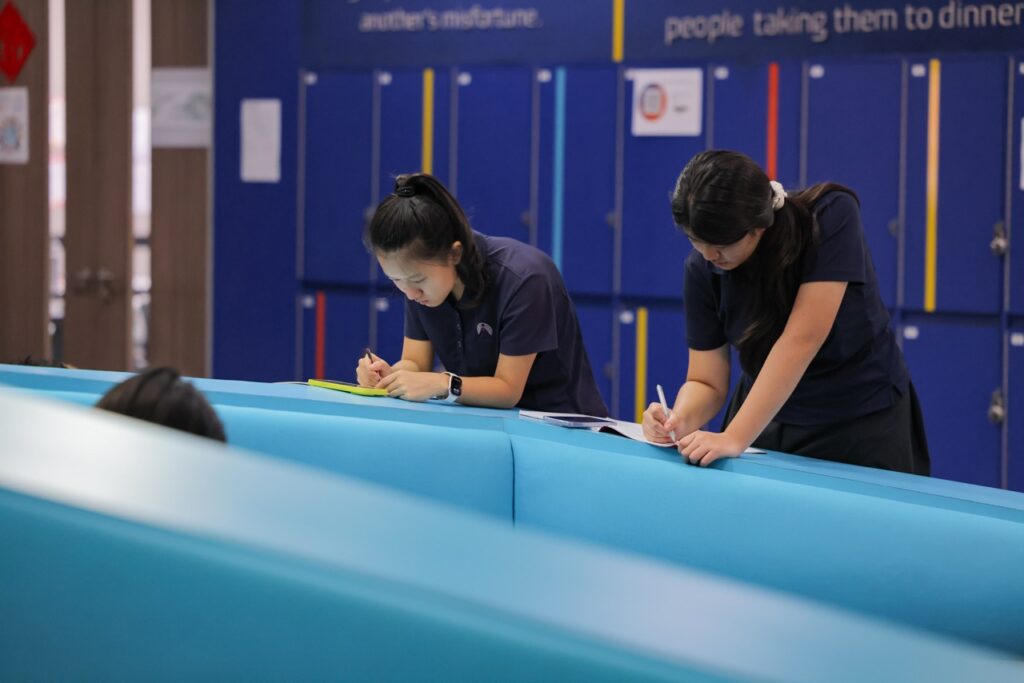
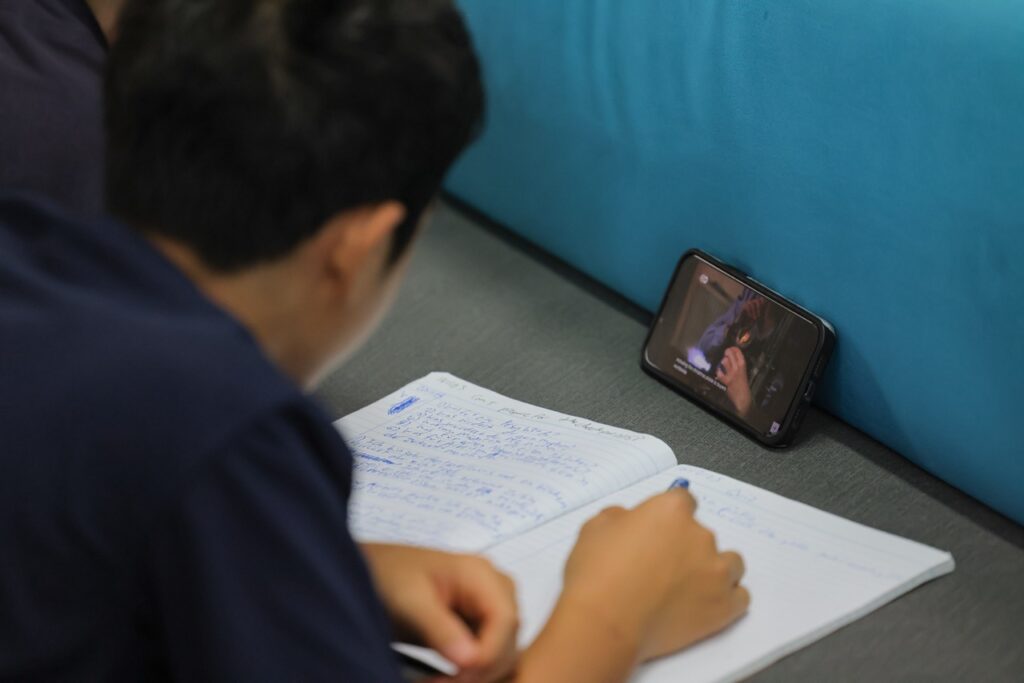
The students collaboratively went on a QR hunt around the World Languages faculty, collecting and recording information about traditions old and new.
They then put their newfound knowledge to the test in a challenging team Kahoot. They discovered interesting facts about German Christmas markets, who is St Nicholas and when does he come, the history of Advent calendars and even learned about the modern tradition of the Christmas Pickle!
Image credit : https://www.metromba.com/2020/01/scandinavia-business-schools/ In November, I had the opportunity to visit three business schools across Scandinavia, and returned genuinely […]
In a British international school, the choice of festivals can feel misplaced if they don’t belong to your culture. The […]
Community Engagement at Bangkok Patana: TERAC
By Jasmine Myatt, Year 12
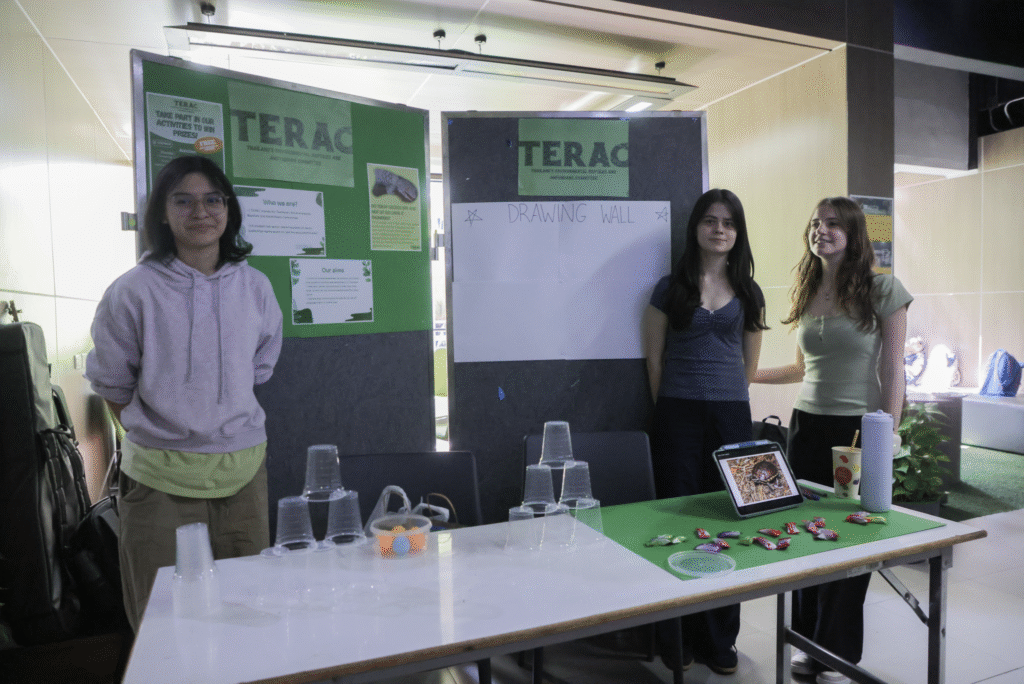
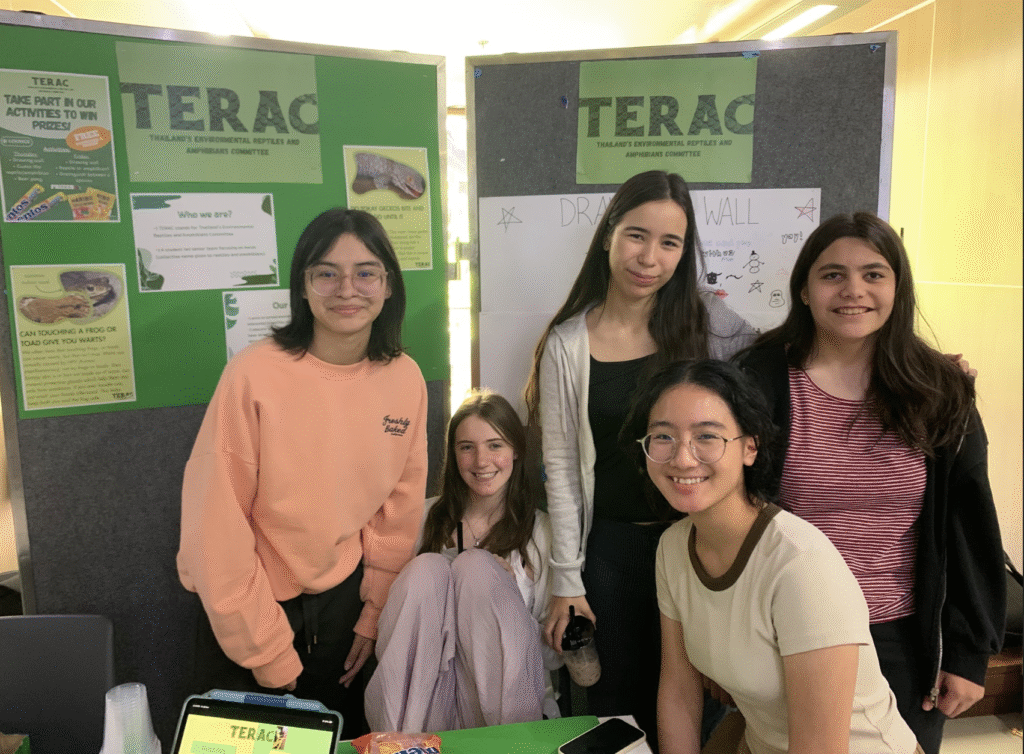
TERAC – Thailand’s Environmental Reptiles and Amphibians Committee is a Senior team dedicated to improving the lives of and raising awareness about the native amphibians and reptiles in Thailand. Did you know, “herp” is the word used to call a reptile or amphibian? We aim to educate children and those interested in herps in Thailand about the ecological roles they have and the environmental benefits they serve, as well as to encourage conservation of species at risk of endangerment or extinction. Looking ahead, we plan to donate and further engage with the school community to bring our aims to fruition.
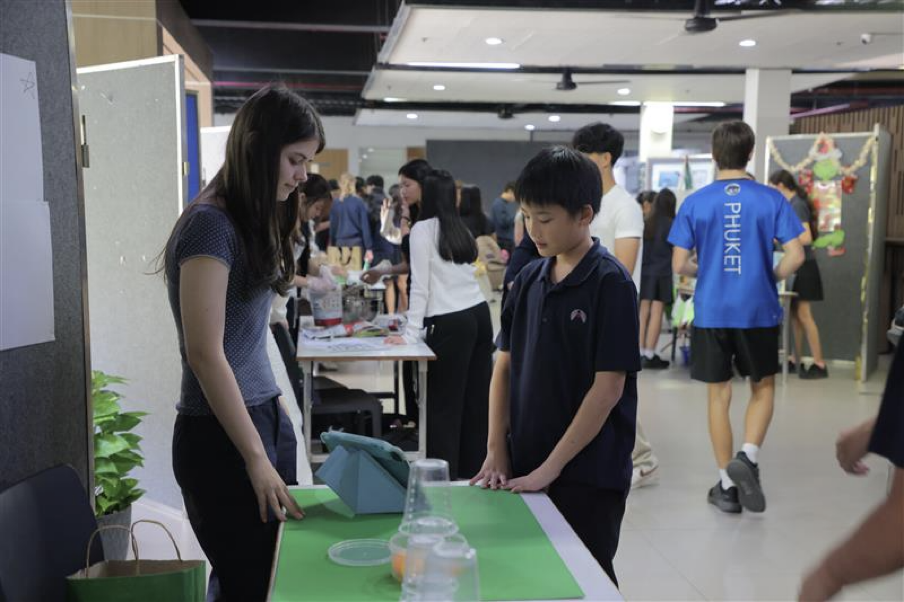
So far this year, our team has organised a stall where we shared our passion for amphibians and reptiles with the rest of the school. We ran a range of fun, interactive activities, including a drawing wall where anyone could doodle freely, “Guess the Reptile,” and an amphibian-vs-reptile identification game where students distinguished between two species. This allowed them to test their knowledge, whilst learning more about herps along the way. We hosted these activities on both Thursday and Friday, and they were very well-received. Lots of students joined in and enjoyed winning small prizes, such as keychains and sweets. As a new senior team, this was an important opportunity for us to build awareness, attract an audience, and encourage more students to participate and get involved with TERAC.
Looking forward into the future, we plan to strengthen our impact and achieve our aims by partnering with a charity to raise funds, expanding our team and electing board members to help with upcoming projects. As TERAC continues to grow, we are hoping to organise a herp watching trip, so keep an eye out! Throughout these steps, TERAC will continue to build momentum in conservation, education and community engagement, ensuring that our mission to protect Thailand’s native amphibians and reptiles becomes even more impactful.
Image credit : https://www.metromba.com/2020/01/scandinavia-business-schools/ In November, I had the opportunity to visit three business schools across Scandinavia, and returned genuinely […]
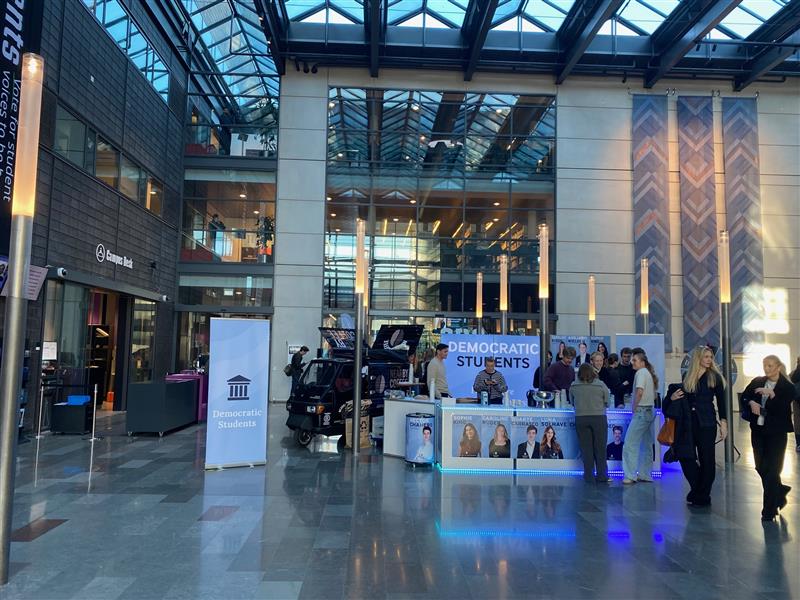
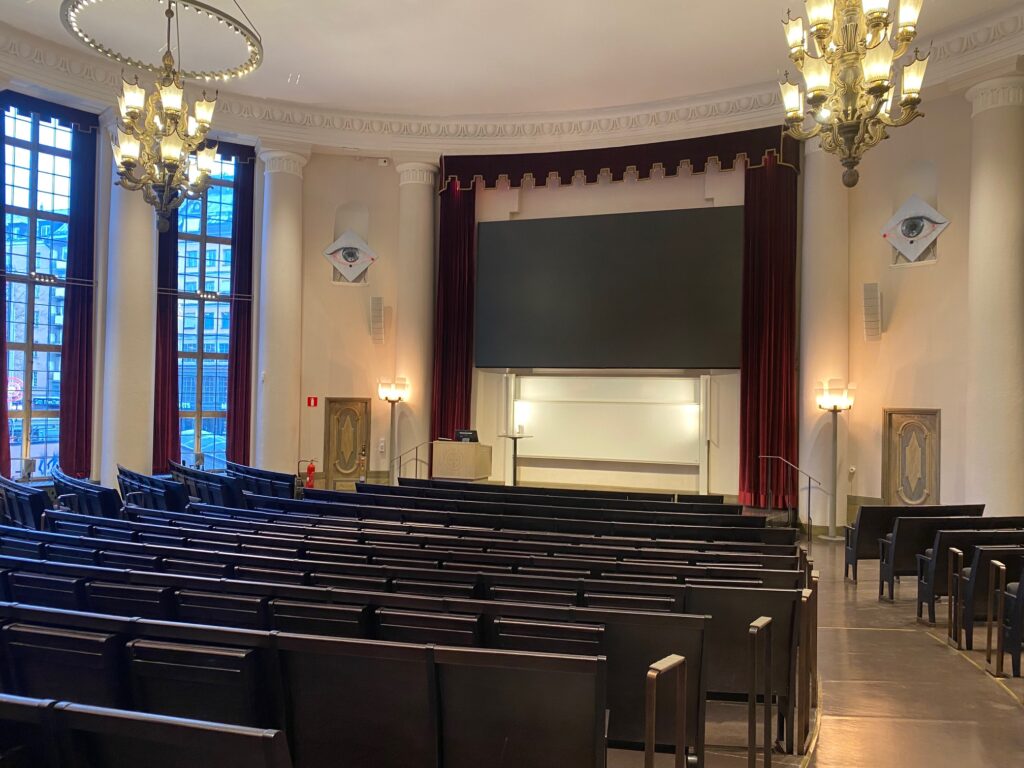
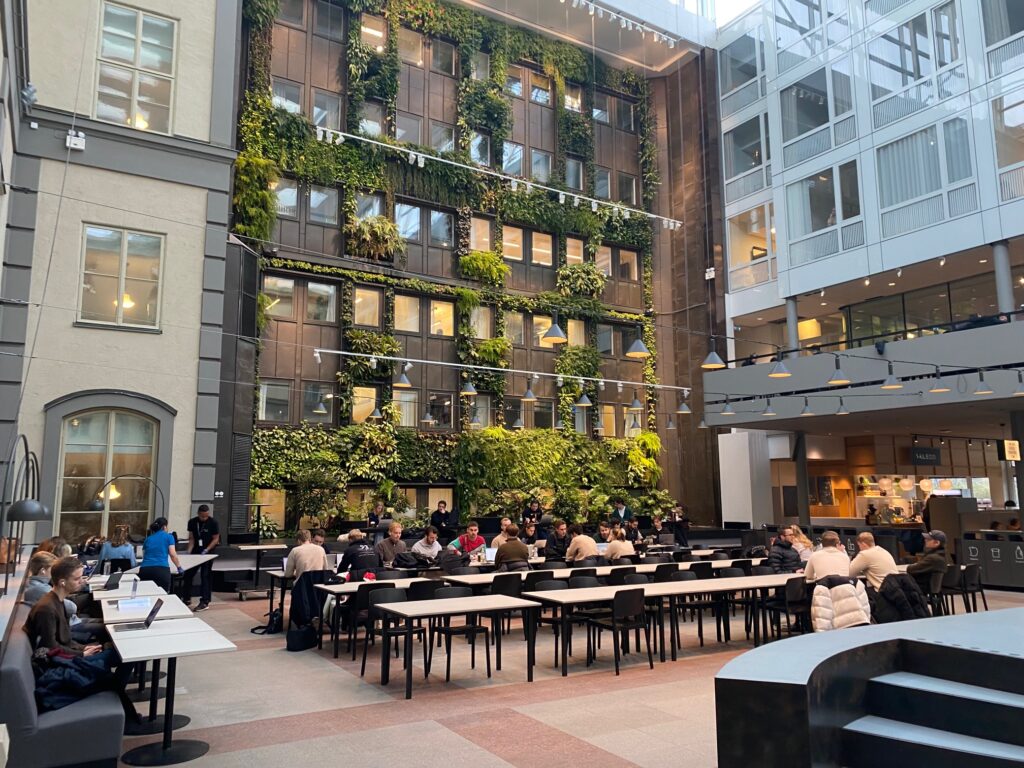
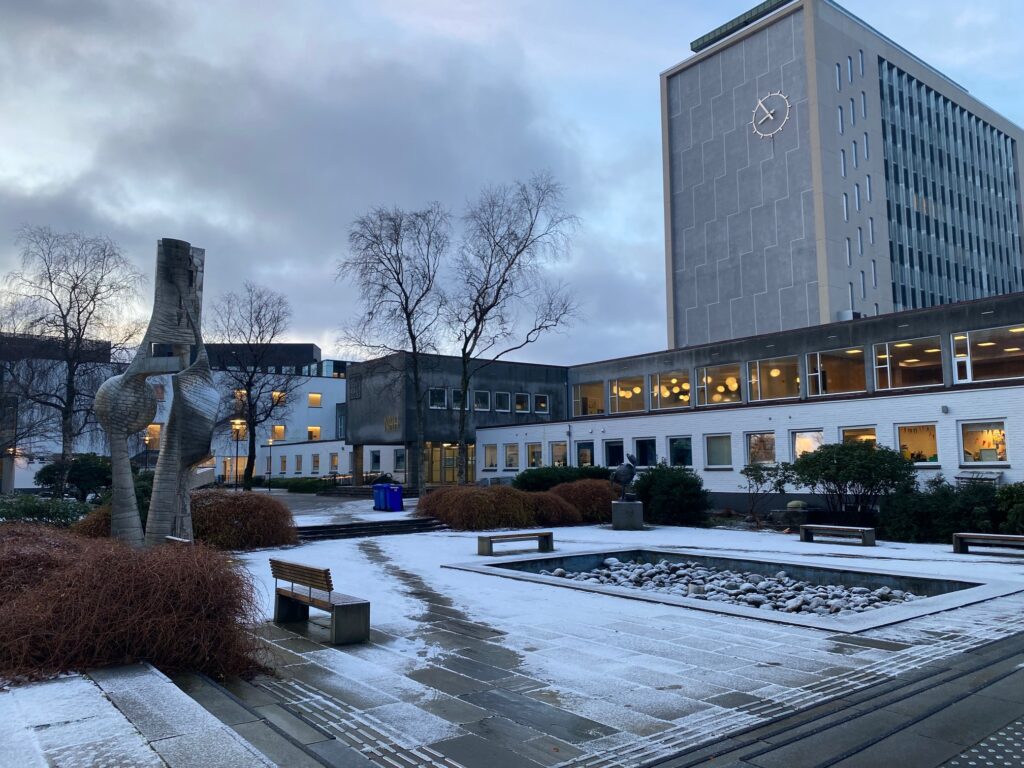
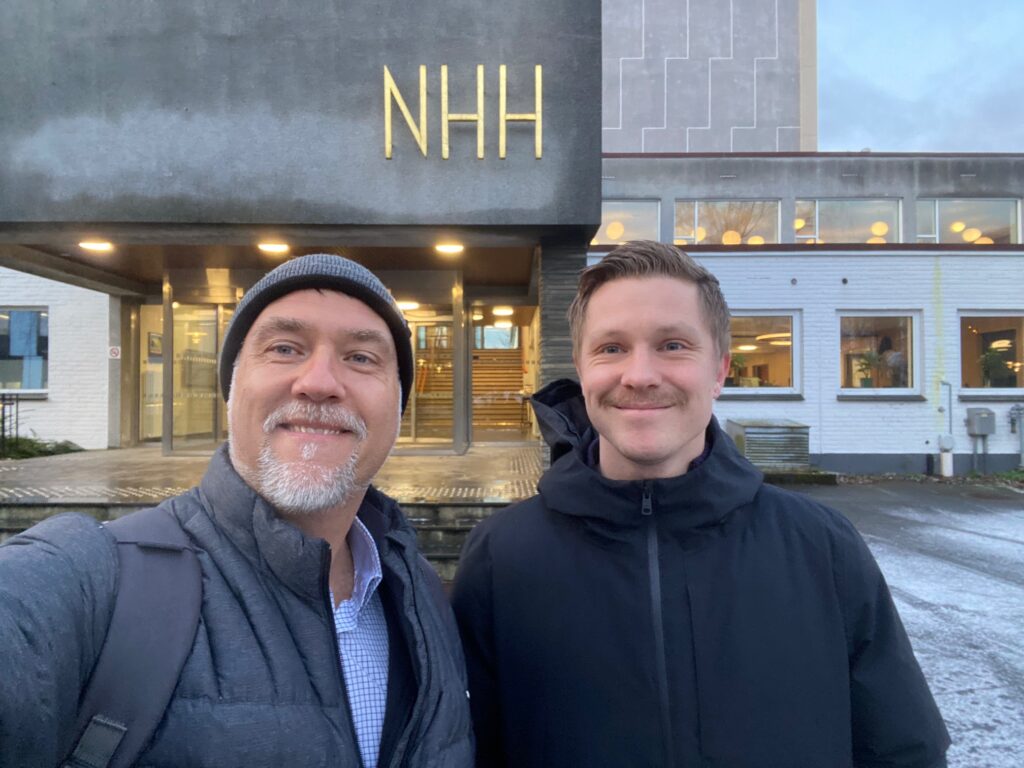
In November, I had the opportunity to visit three business schools across Scandinavia, and returned genuinely impressed. These hidden gems deserve attention, and I’m excited to share what I discovered with our Bangkok Patana community.
When students talk about studying business overseas, the spotlight usually swings toward the US, UK, or Australia. Yet quietly, very quietly, in that efficient, Nordic way, Denmark, Sweden and Norway are running three of the most interesting business schools on the planet: Copenhagen Business School (CBS), Stockholm School of Economics (SSE), and the Norwegian School of Economics (NHH).
Each offers world-class teaching, international student communities, and strong career outcomes. But they couldn’t feel more different. CBS is huge and urban. SSE is small and elite. NHH is friendly and residential.
COPENHAGEN BUSINESS SCHOOL (CBS)
Big. International. Urban.
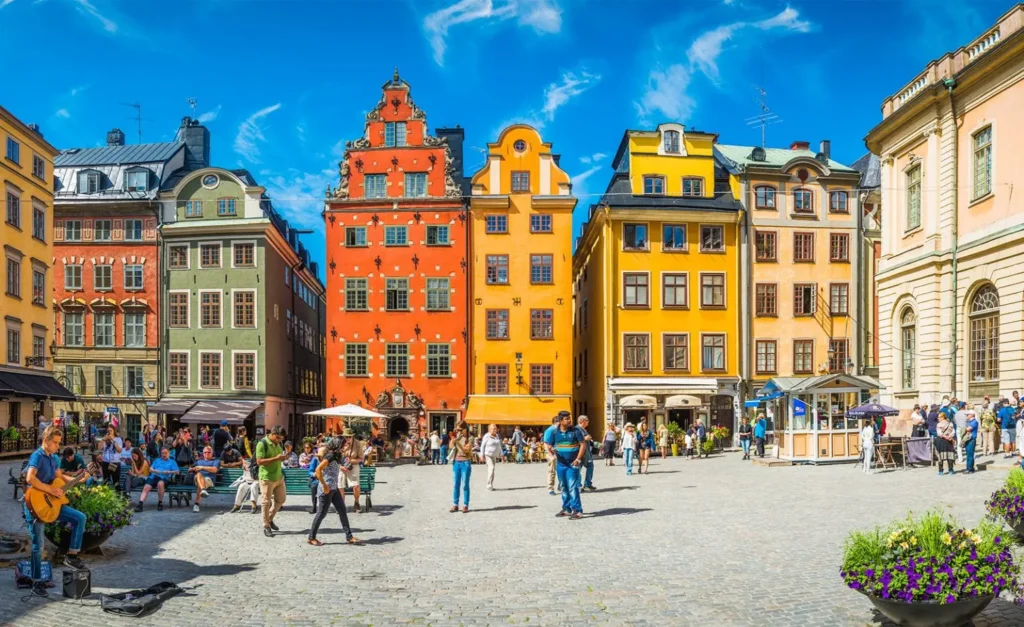
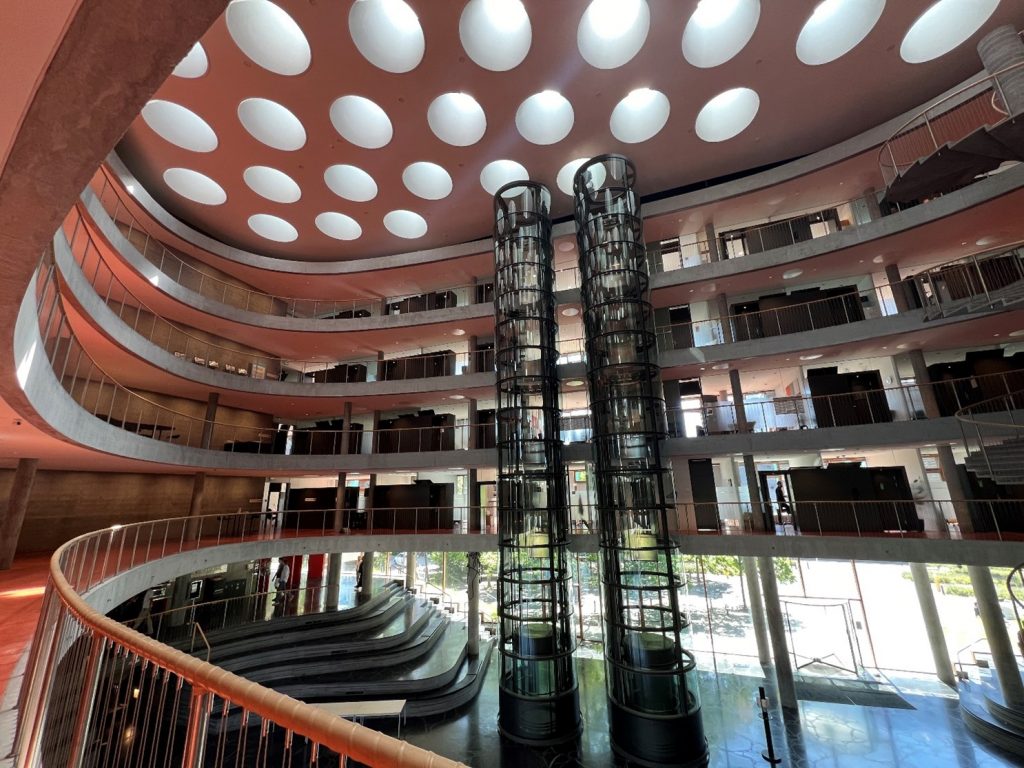
Walk through Frederiksberg in Copenhagen and CBS feels like part of the city, students cycling in, grabbing pastries, jumping between modern buildings and speaking every language imaginable.
But what makes CBS special is its combination of size and internationality. With over 20,000 students, it’s one of the largest business schools in Europe, yet it manages to stay academically rigorous and globally competitive.
CBS offers wide degree choices, a modern campus, and a strong reputation for innovation and sustainability. Students who like choice, flexibility, and the buzz of a big campus will find a natural home here.
STOCKHOLM SCHOOL OF ECONOMICS (SSE)
Small. Elite. Intense.
SSE sits in the heart of Stockholm, but you won’t blend in here, you’ll be known. With only about 2,000 students total, SSE feels more like a selective college than a university. Classes are tight, professors know students by name, and expectations are high.
This is Sweden’s most prestigious business school, famous for producing CEOs, economists, and leaders across Scandinavia. The environment is academically demanding but deeply supportive. Students often say they feel they “grew up professionally” at SSE.
And the perks? A tight community, small cohorts, strong industry recruiting, and a campus where you could bump into alumni running Sweden’s major companies. SSE alumni often talk about the “SSE network effect.” You join once, and it follows you everywhere.
NORWEGIAN SCHOOL OF ECONOMICS (NHH)
Cozy. Community-based. Norway-nice.
If CBS is the metropolis and SSE the elite institute, NHH is the village, in the best possible way. Located in the beautiful, leafy outskirts of Bergen, NHH is known for its community spirit, collaborative culture, and warm environment.
Students study hard, hike harder, and somehow still find time for a full student-run nightclub, the second biggest in Berge, in the basement of the main building.
NHH is Norway’s leading business school and extremely strong in economics, finance, and accounting. With a mid-sized student population and a compact campus, students build close friendships and strong support networks.
WHAT MAKES EACH SCHOOL DISTINCT?
Uniqueness
CBS – Breadth and scale: massive program choice, highly international, urban vibe.
SSE: Stockholm, innovative, financial hub, design capital.
NHH: Bergen, nature, fjords, tight-knit campus.
Cost
CBS: Free for EU/EEA; Non-EU/EEA/Swiss students: 100,000 DKK per year
SSE: Free for EU/EEA; Non-EU/EEA/Swiss students: SEK 120,000 per year for
NHH: Free for EU/EEA; Non-EU/EEA/Swiss students: 136,000 NOK / year
Admissions Expectations
Strong mathematics for all three.
Higher-level mathematics strongly recommended for SSE and NHH.
CBS tolerant of multiple pathways into business programmes.
WHO THRIVES WHERE?
Choose CBS if you want:
Big bustling environment
International classmates
More degree choice
Life in a major European capital
Choose SSE if you want:
Small, selective cohorts
Very strong economics or finance
Direct career pipelines into elite firms
A high-intensity academic environment
Choose NHH if you want:
Community-oriented campus life
A balanced academic + social environment
A safe, nature-filled setting
Strong economics and business foundations
FINAL WORD: THREE SCHOOLS, THREE PERSONALITIES
CBS is the cosmopolitan giant. SSE is the elite boutique. NHH is the friendly, fjord-side community.
Together, they represent the best of Nordic business education: high quality, low tuition and incredibly strong outcomes, all wrapped in environments that feel safe, modern and student-centered.
If you’re considering a future in business, economics, or finance, these three schools are well worth a serious look, whether you want the energy of Copenhagen, the prestige of Stockholm, or the closeness of Bergen.
Diversity Digest is a weekly reflection written by staff from different areas of our school Bodhi Day Have you noticed […]
SEC’s Solar Village Trip 2025
Mallika (Molly) Moo-Ming, 11C
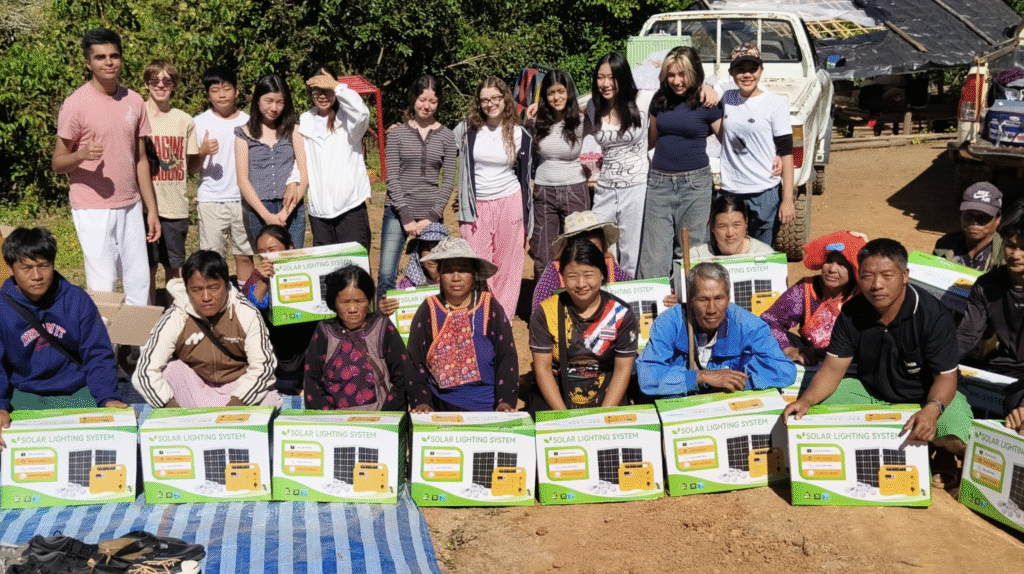
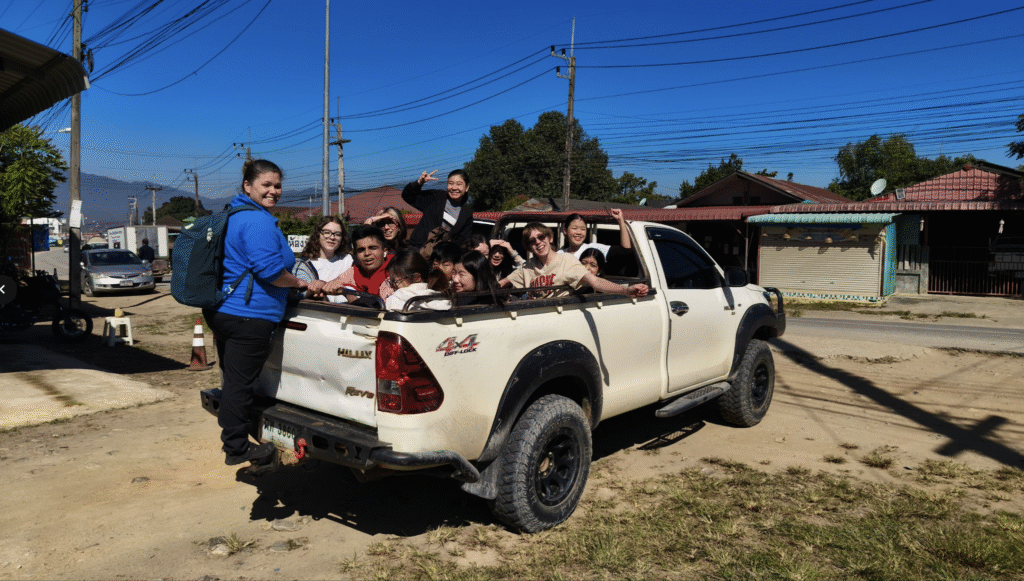
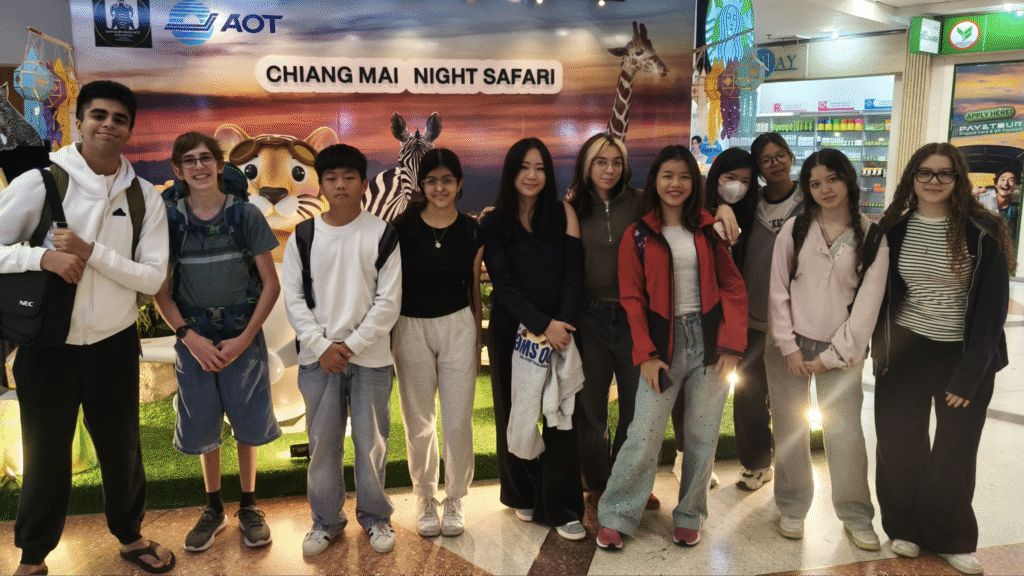
All term, the Student Environmental Committee (SEC) have been busy preparing for their solar village trip, which happened from the 28th November to the 1st December, even preparing as early as last academic year, to collect shoes, funds and devices to donate to the solar village.
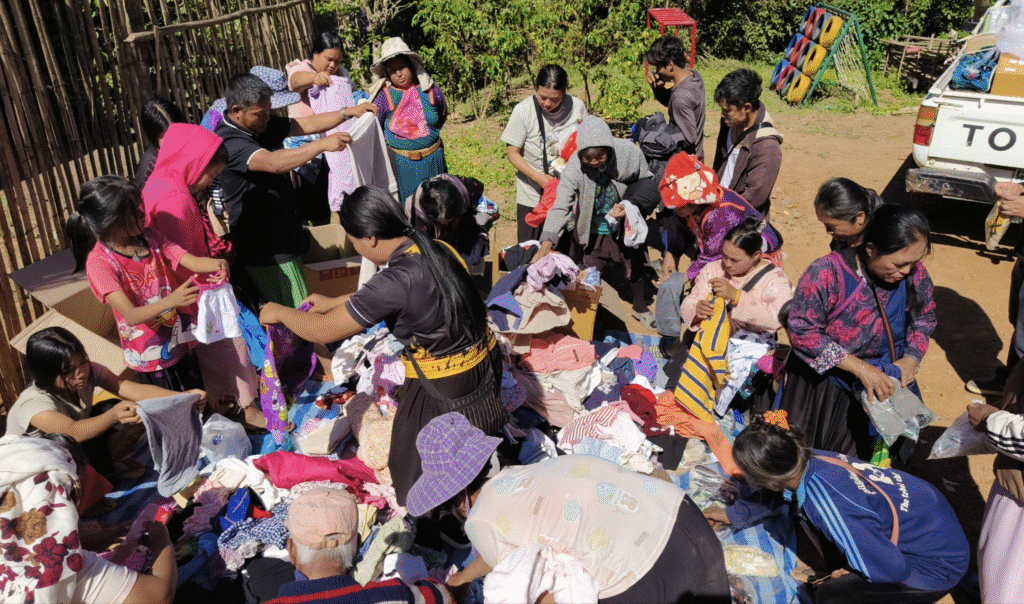
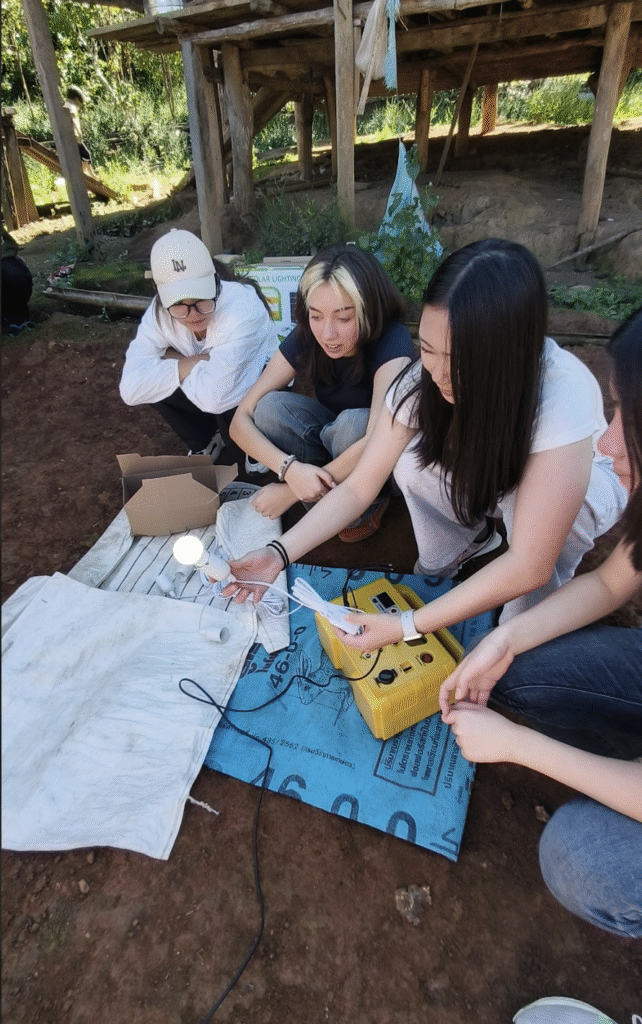
The ride up to the village (which was at the border between Thailand and Myanmar) was steep yet exciting, and everyone had a blast despite holding on for dear life. Both old-timers and first-timers had fun helping out the village by setting up the solar panels and donating clothes and electronic devices to the villagers, who welcomed us with warm hospitality.
Here are some statistics:
150kg+ of clothes and shoes, 2 projectors, 3 laptops, 5 tablets, 15 Solar Kits, were donated to the village!
After many years of donating to the Solar Village, 92 homes received electricity, enough to power lights, chargers, and basic accessories like fans. We also donated a playground!
Comments from Mr. Smith, the key driving force of this trip: “As a participant in these trips, seeing the smiles of the villagers whose lives we helped in a small but consequential way is so rewarding. And at least as rewarding as watching the smiles and growth of you and your peers – students of BPS – smile with the thought of giving and helping those less fortunate! The time we all spend together creates a bond that lasts far beyond the length of the trip itself. We have all shared a very special experience and we are better people for it. I’m proud to be part of it AND I am even more proud of our students who are there giving their all! “
REMINDER: The SEC is doing their Christmas Campaign! Make sure to donate!
It’s hard to believe that our Lord of the Flies journey began all the way back in May. By June, we had […]
Term 1 Reflection – Duke of Edinburgh’s International Award
By Emma Kay Bartlett, Head of Trips and Outdoor Education
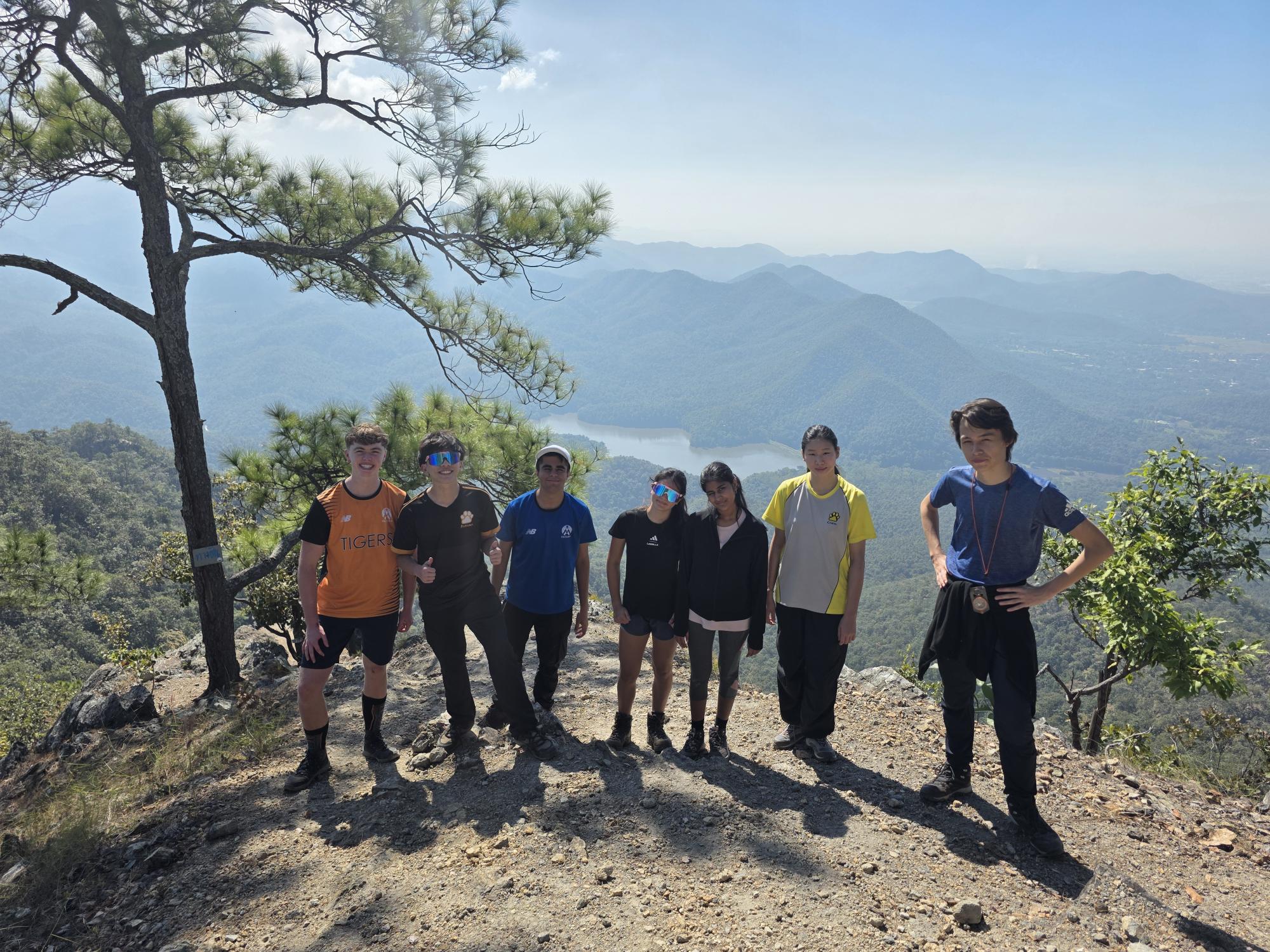
Term 1 has been an incredible start to the Duke of Edinburgh’s International Award program (DOEIA) and my time at Bangkok Patana.
Across seven trips, we engaged 237 students supported by 39 dedicated staff members, delivering experiences in two countries through three distinct models of travel. This diversity reflects our commitment to providing meaningful, challenging and safe opportunities for every student.
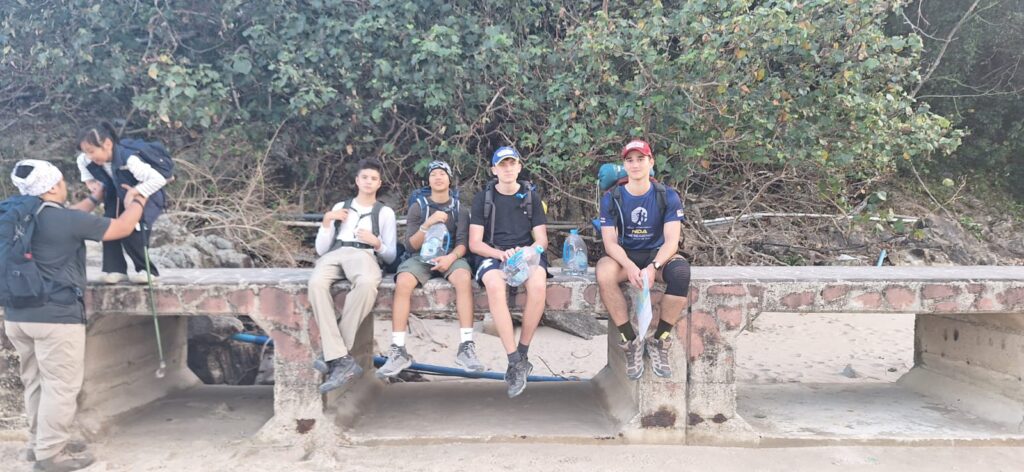
Bronze Award students were able to show their perseverance during their practice hike, overcoming unexpected warnings with teamwork and adaptability. Real life learning that safety always comes ahead of a planned adventure! Our Year 10’s were able to practice flexibility in real time!
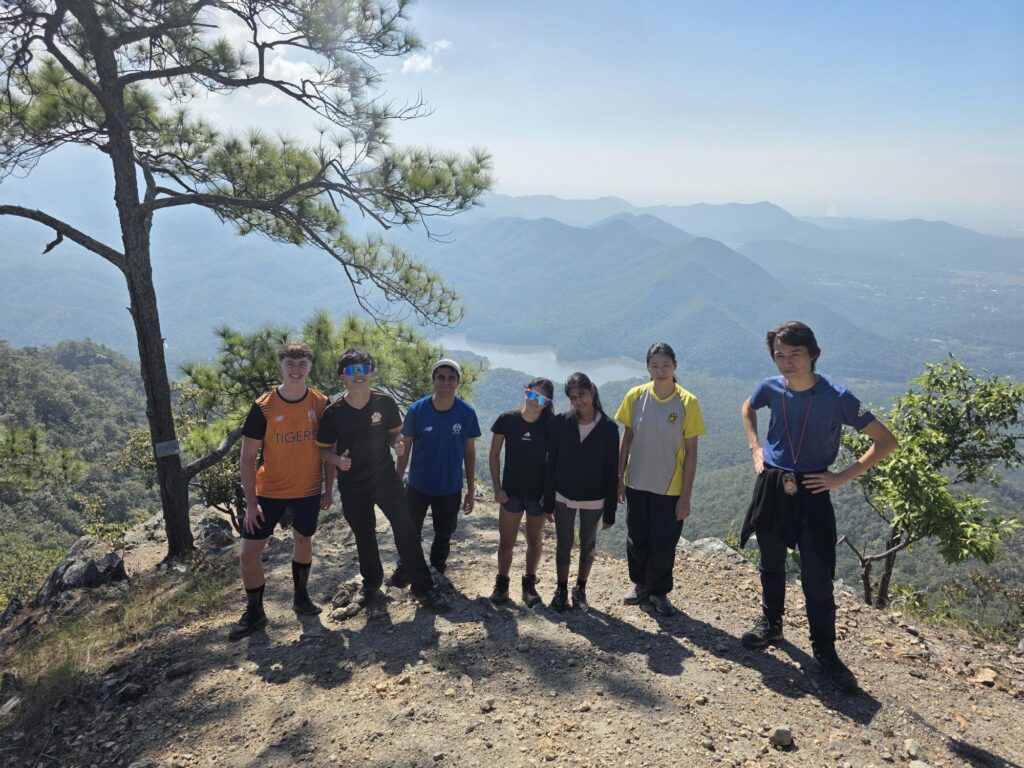
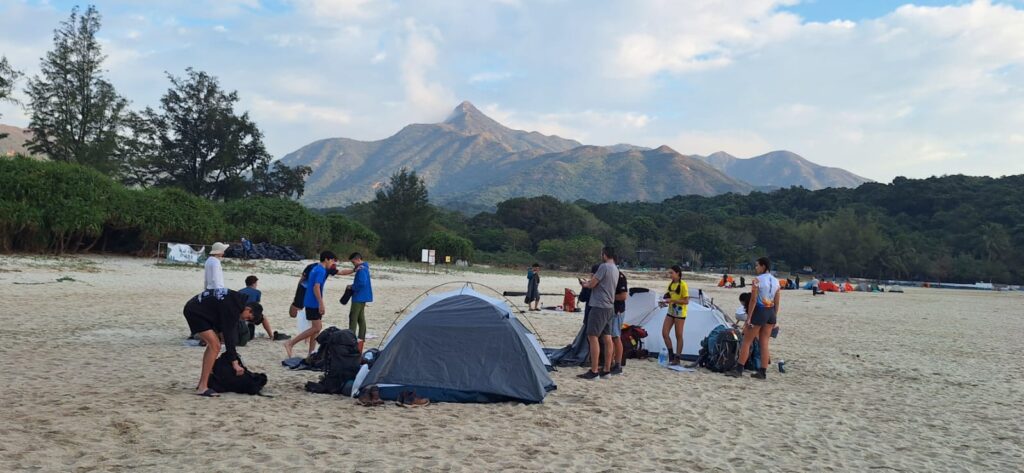
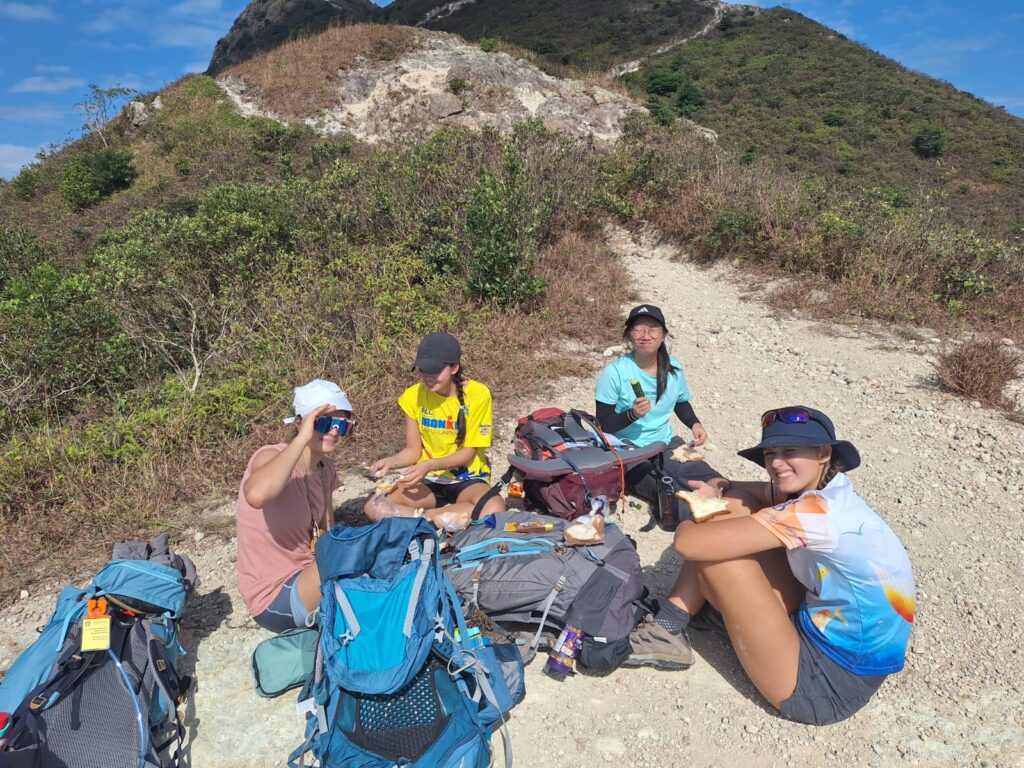
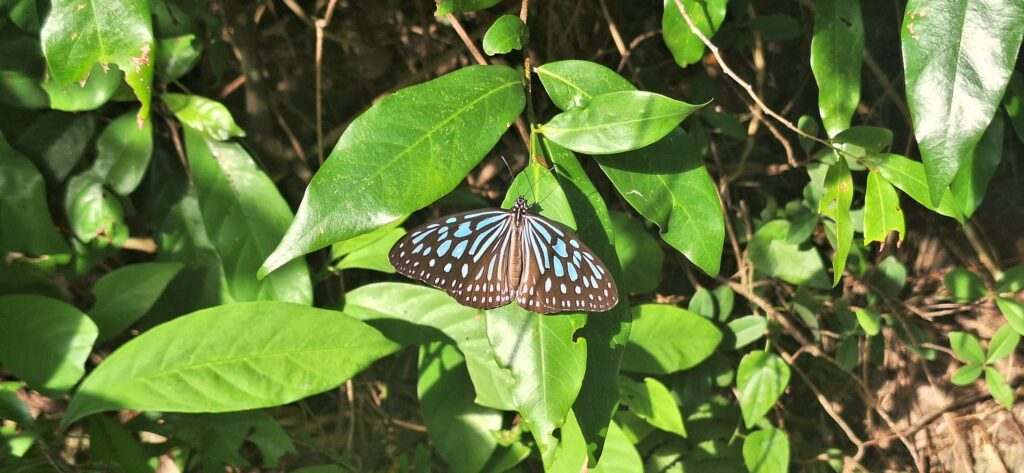
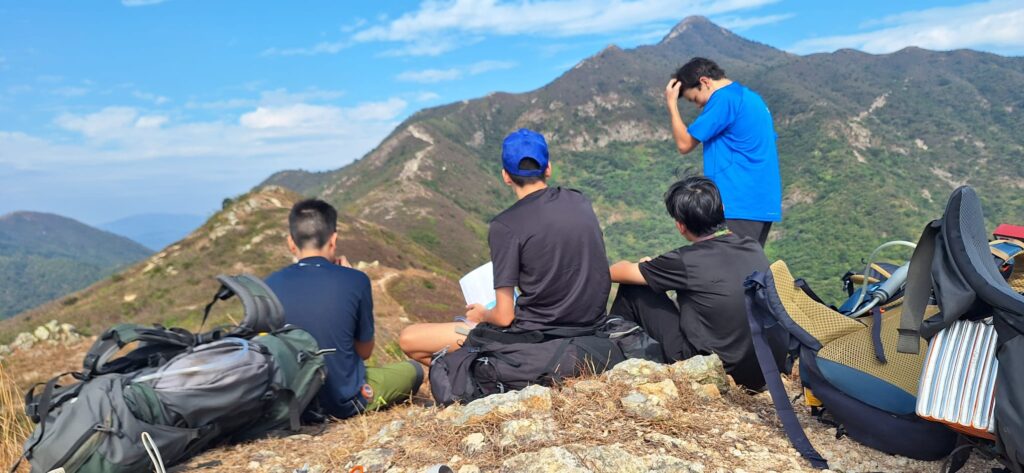
Silver Award students embraced adventure through a kayaking expedition and a trekking journey in Hong Kong, while others joined combined Silver and Gold groups for a memorable trekking experience in Chiang Mai. Our Gold Award participants pushed boundaries with a demanding and wet practice cycling expedition in Khao Ito, showcasing their determination and preparation for their qualifying journey ahead.
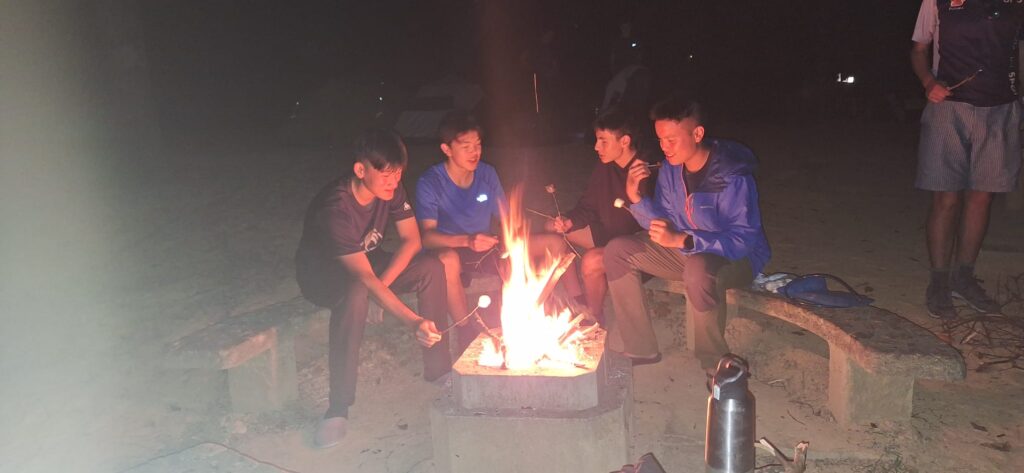
These expeditions were not just about physical challenges. They fostered independence, problem-solving, leadership and grit. Bangkok Patana students learned to navigate uncertainty, collaborate effectively, and appreciate the natural environments they explored and most importantly, had fun in our world around us. Staff played a vital role in guiding and safeguarding these experiences, ensuring that learning remained at the heart of every challenge.
Looking back, Term 1 exemplifies the spirit of the Award: resilience in adversity, growth through challenge, and joy in shared achievement.
As we move into Term 2, we carry forward the lessons learned and the enthusiasm sparked by these journeys, ready to support our students in completing their Award and leaving a lasting positive impact.
This month’s theme: Giving, Generosity and KindnessThis month’s theme celebrates giving, generosity and kindness, perfectly timed for the festive season […]
Flood Donations
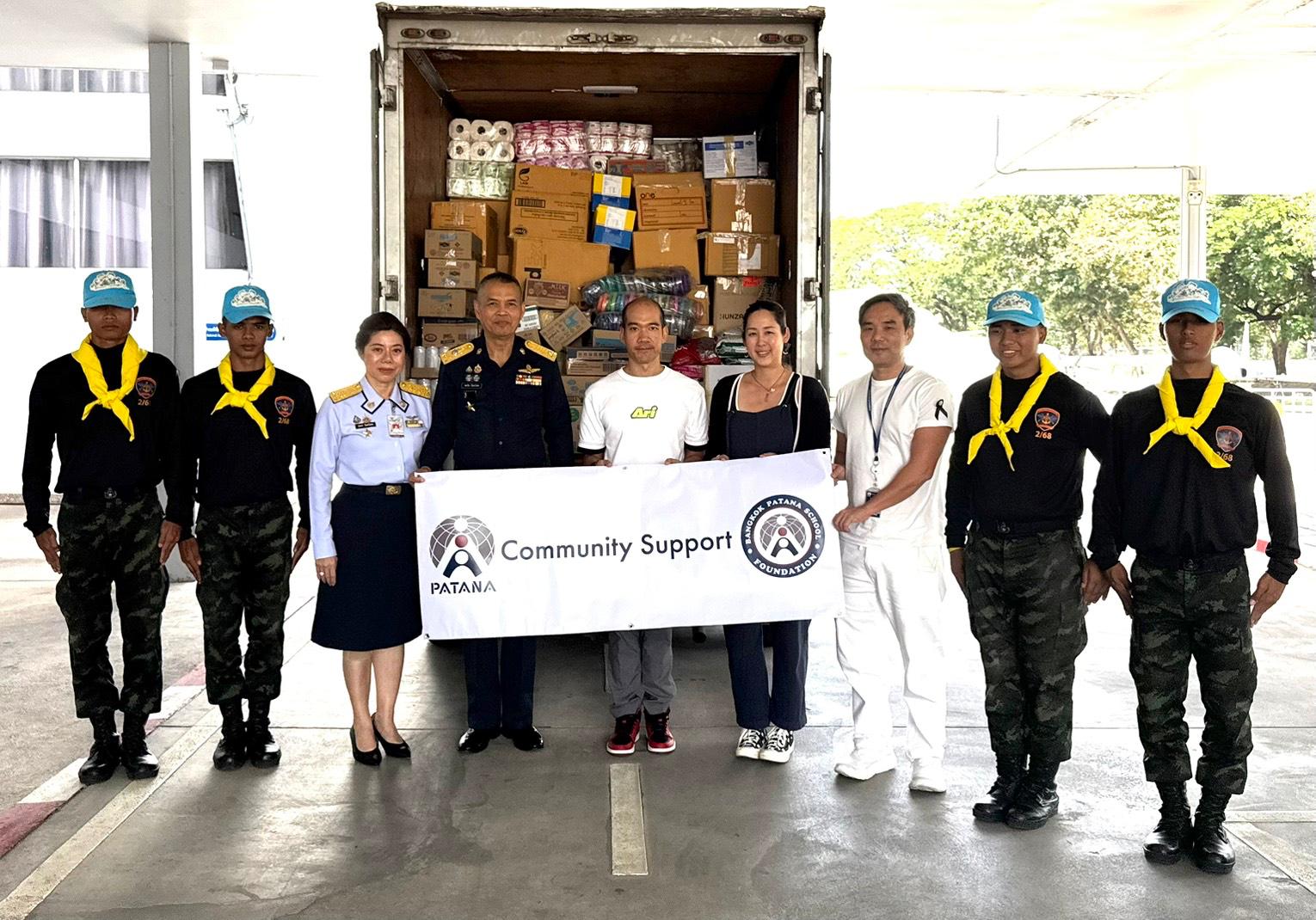
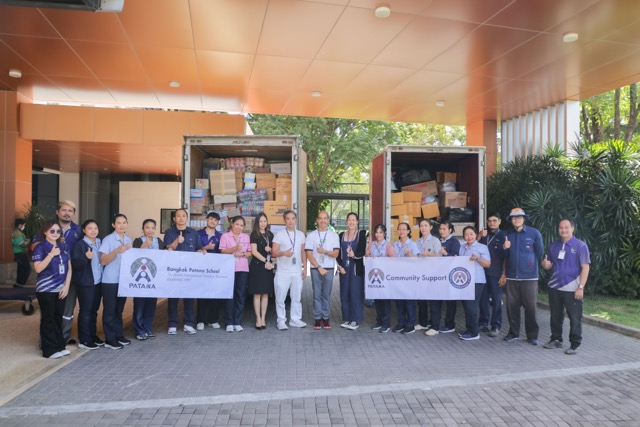
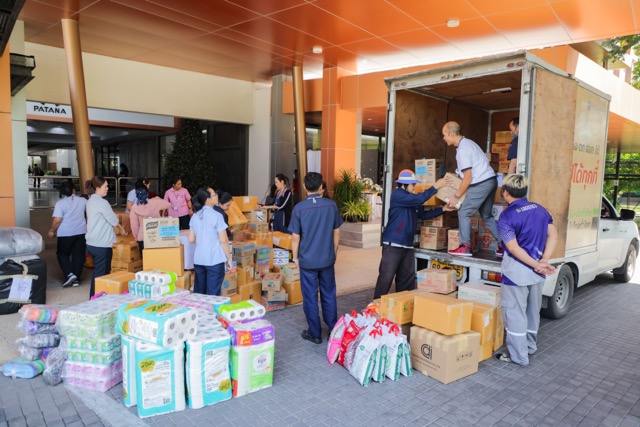
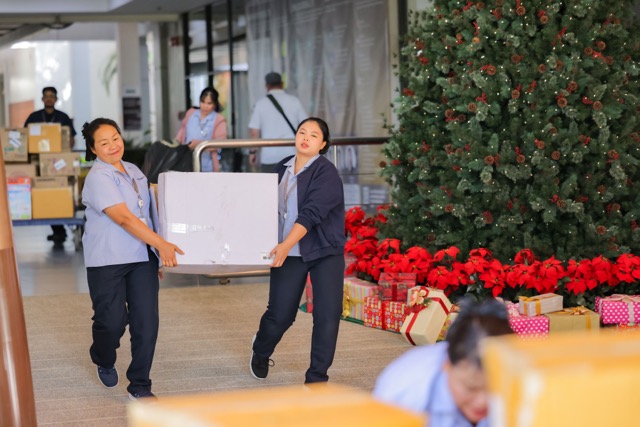
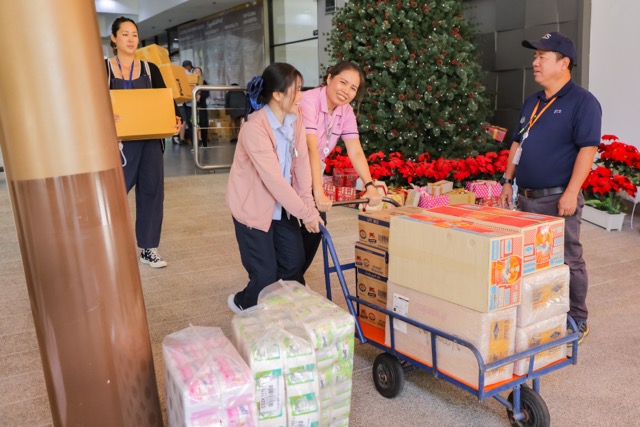
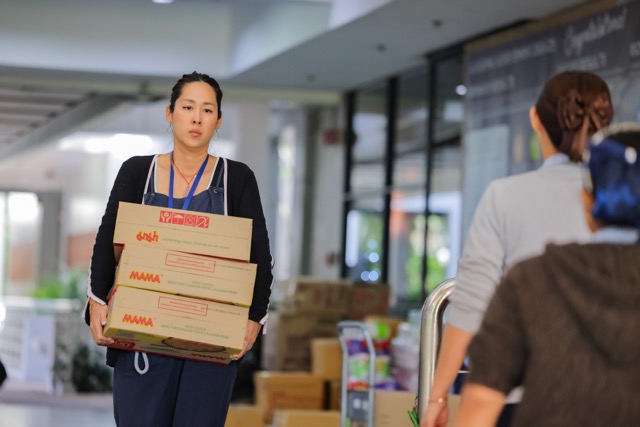
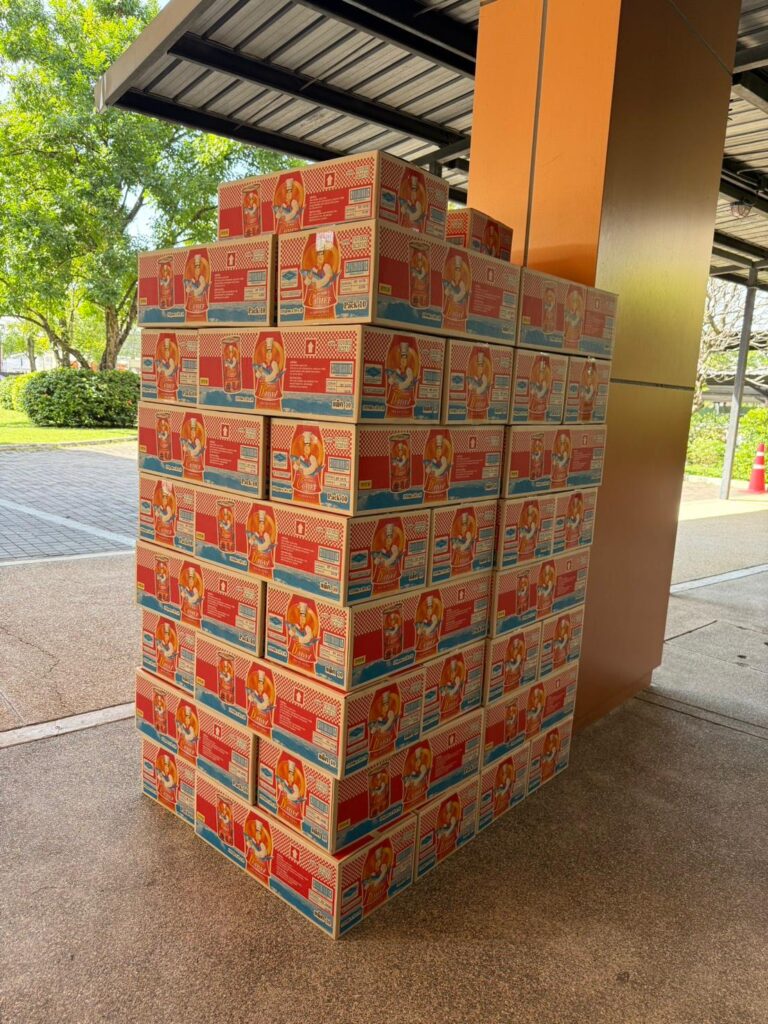
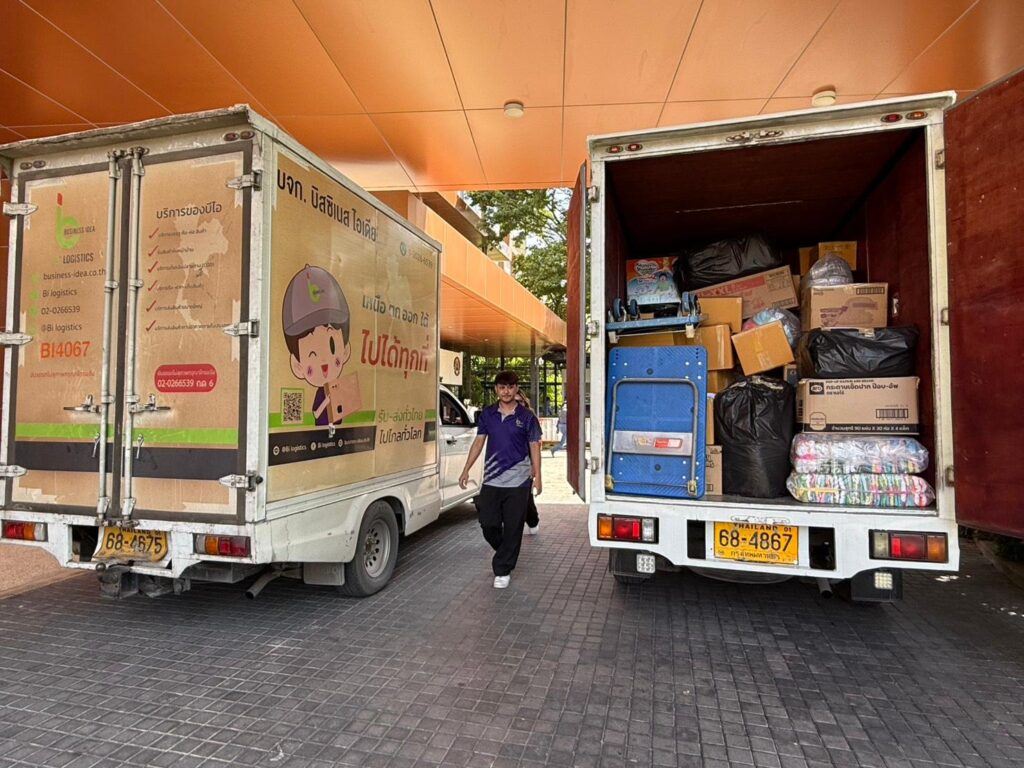
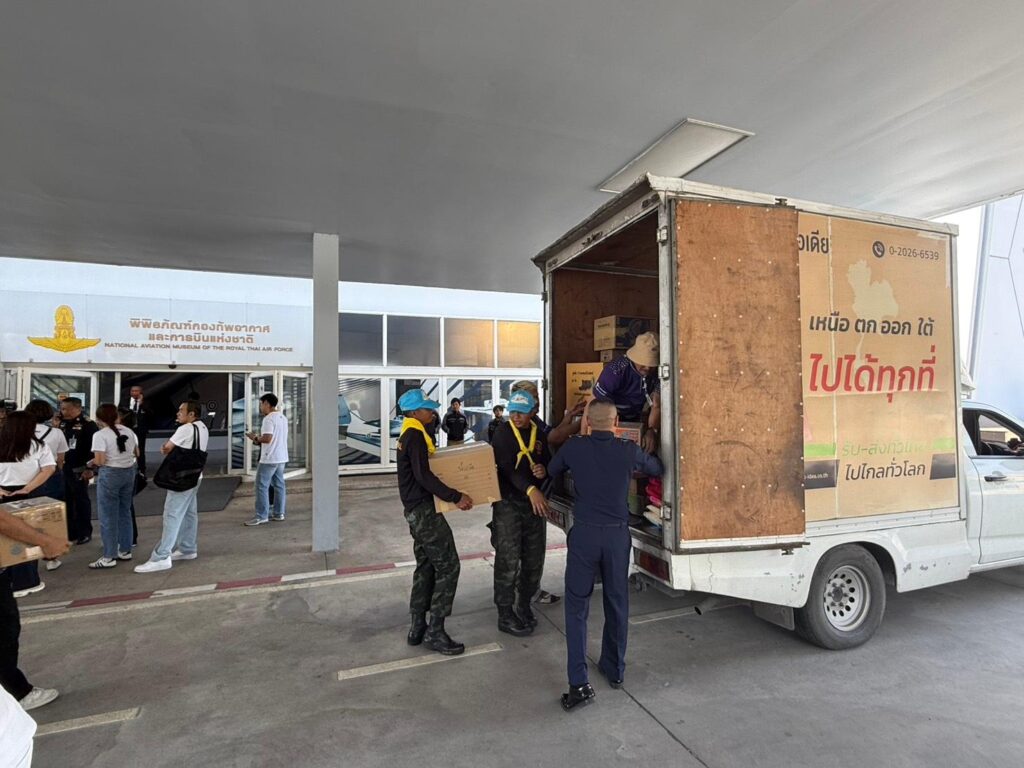
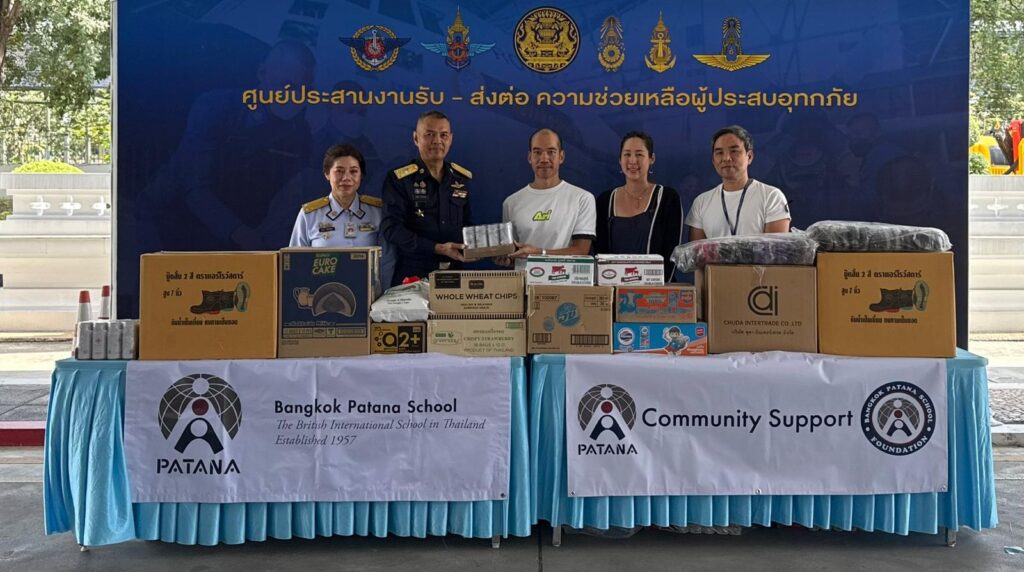
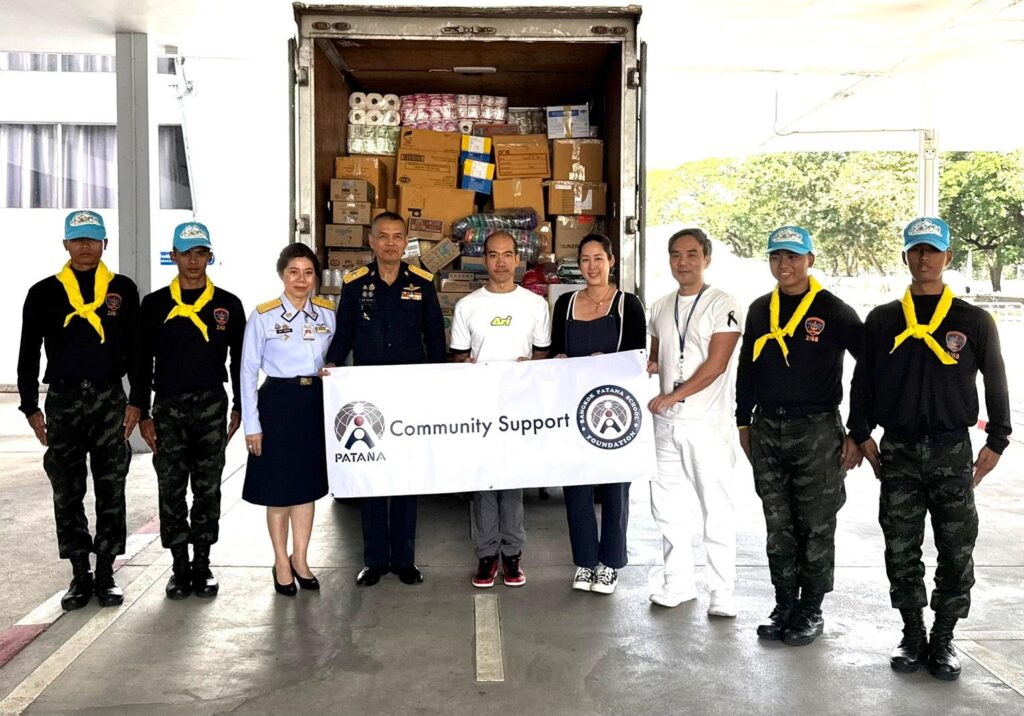
A heartfelt thank you to all our contributors to the flood donation efforts. Within hours of sending an appeal via email to parents, donations began to be dropped off at the stations around school. We made the first drop off – two truck loads of much needed items – to the Royal Thai Air Force, where it was flown directly to Hat Yai for distribution.
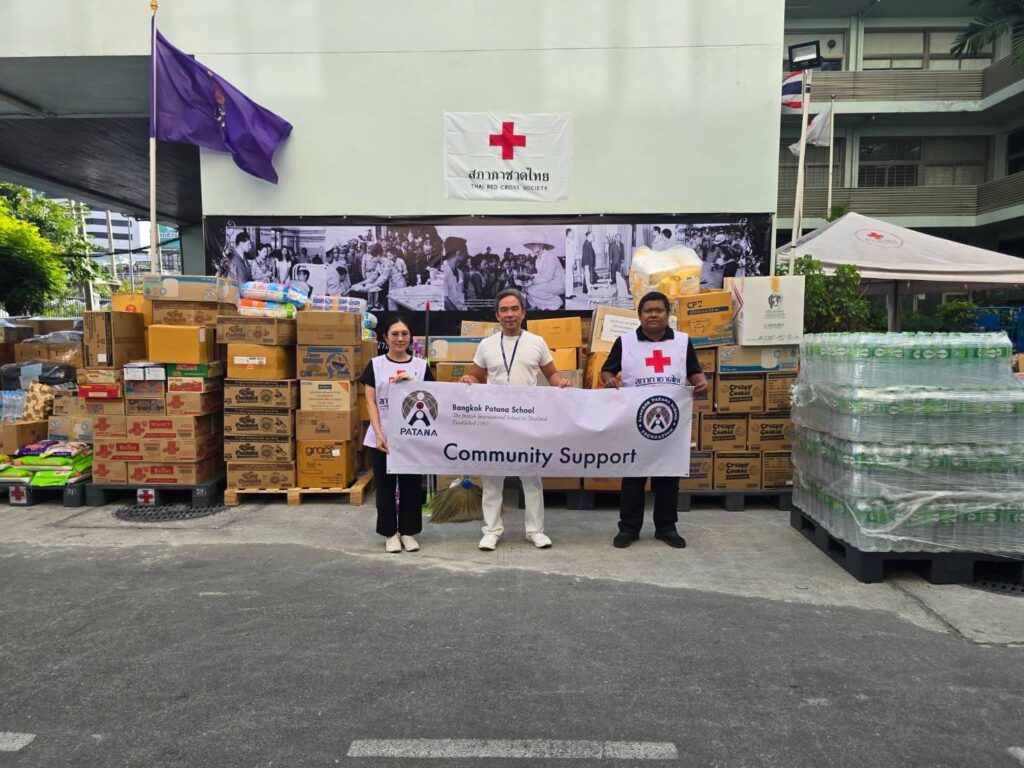
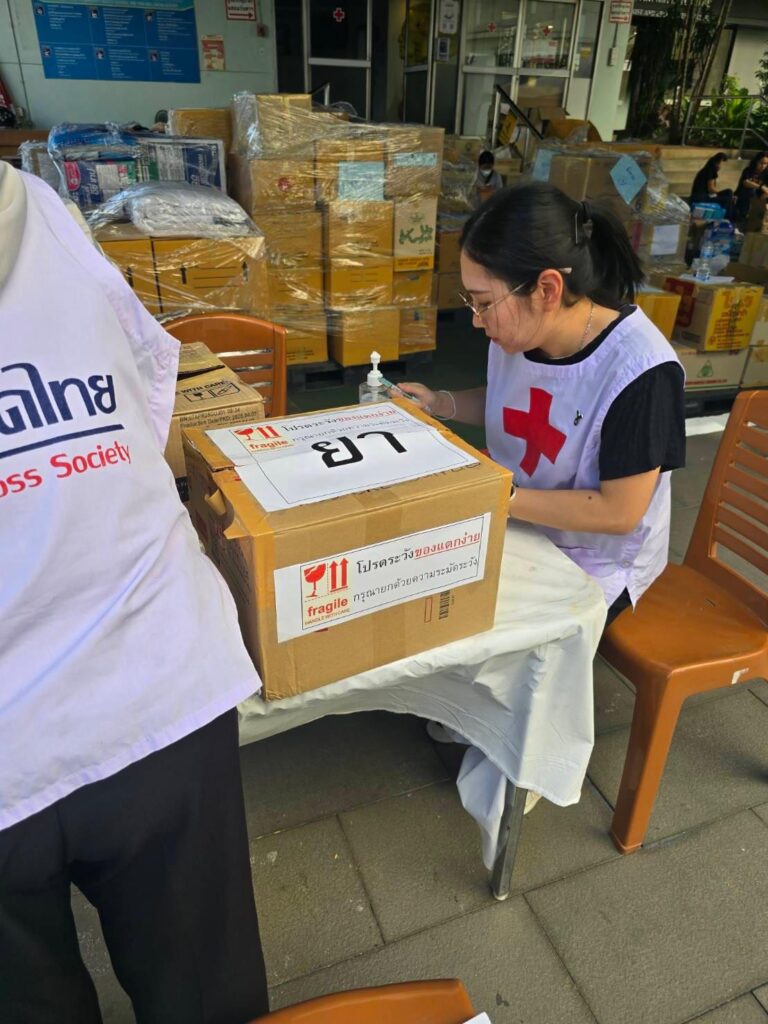
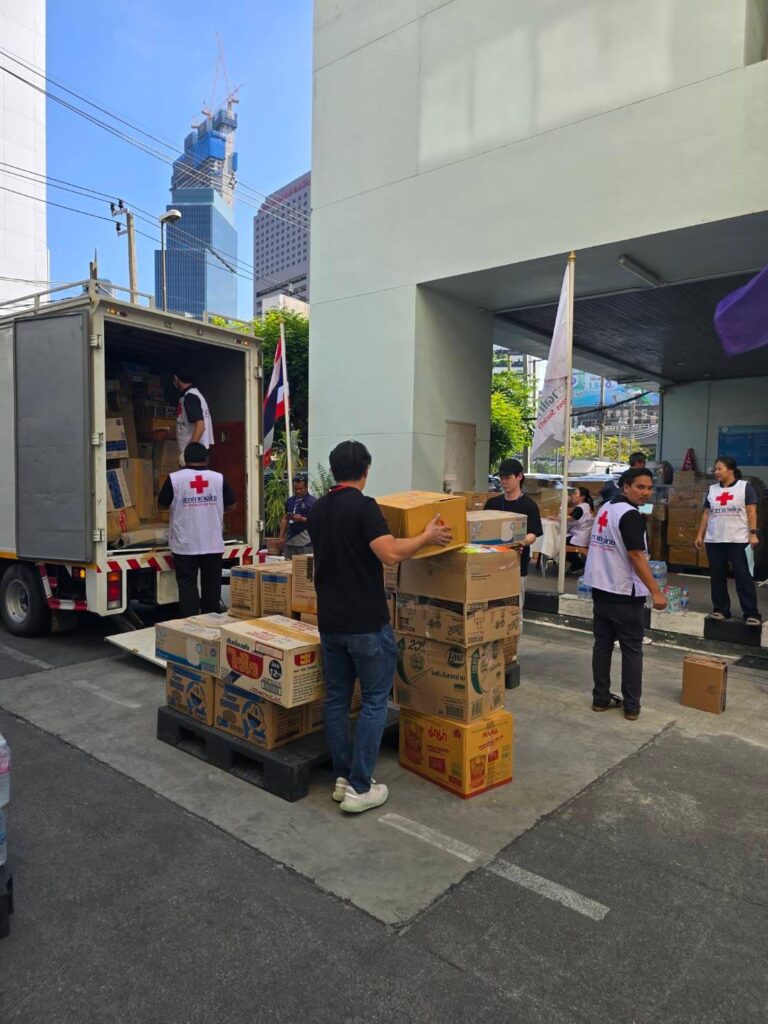
The second drop off was completed this week through the Thai Red Cross. We will continue to accept donations of good until the last day of school, Friday 19th December.
In the meantime, many of you made cash donations and these are very much appreciated. If you have made a cash donation and have not received a receipt yet (within 3 business days), please contact accounts@patana.ac.th.
We are still accepting cash donations; contributions can be made through our existing payment systems, for secure handling and issuing of receipts. These donations will go towards rehabilitation and at the moment we are in discussions on supporting a school in Hat Yai.
From the Firefly dashboard go to Services, then to Online payment and then choose Annual Fund Online Donation (https://bpsnet.patana.ac.th/payment/donation/index.asp?FundType=ANF). Monetary donations of THB 15,000 and above will be tax deductible through our Foundation Board Office.
As the cash donations begin to be disbersed, a full accounting of these will be published, either here in Patana News or directly to all parents via email.
Thank you for your generosity and support of this effort. A big thank you to the Foundation Board Office and our PTG for coordinating this effort.
This month’s theme: Giving, Generosity and KindnessThis month’s theme celebrates giving, generosity and kindness, perfectly timed for the festive season […]
This month’s theme: Giving, Generosity and KindnessThis month’s theme celebrates giving, generosity and kindness, perfectly timed for the festive season […]