Why the (Digital) Pen is Mightier than the Keyboard: How Stylus Use Enhances Learning
By Brian Taylor, Cross Campus Vice Principal, Technology for Learning
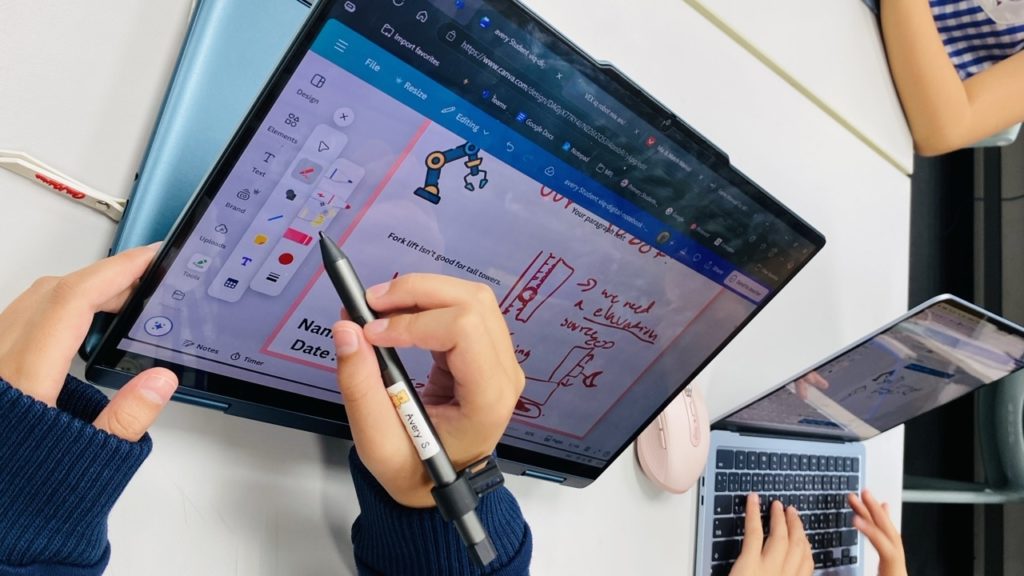
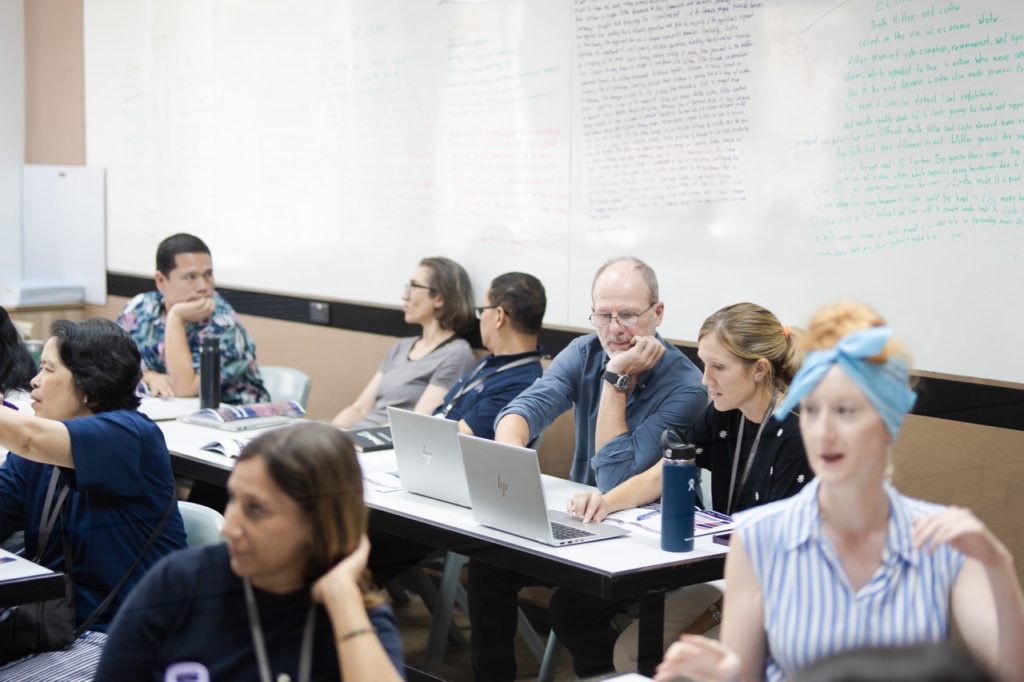
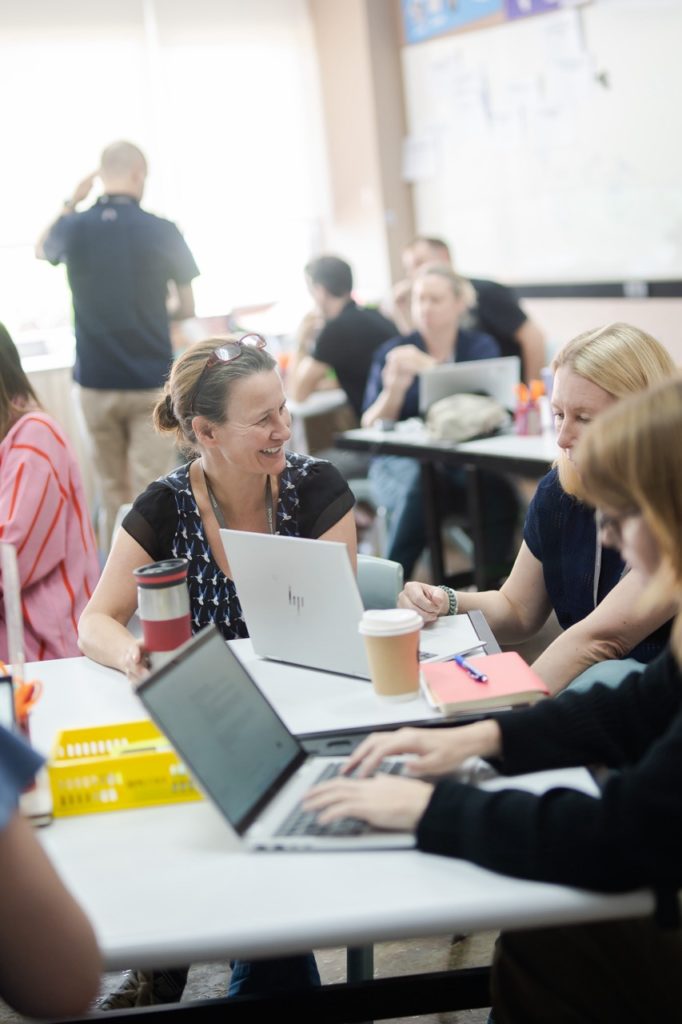
I am often asked by parents in our community about typing skills and why we have pen-enabled devices in our Laptops for Learning minimum specification. In today’s classrooms, technology is everywhere. But not all digital tools are created equal. One of the most exciting shifts in education is the move from traditional keyboard typing to digital inking, using a stylus or digital pen on tablets and laptops. This isn’t just a matter of preference or novelty. Research shows that stylus-based input can unlock deeper learning, better memory, and more creative thinking for students of all ages.
The Science Behind the Stylus
Why does writing or drawing with a digital pen make such a difference? It comes down to how our brains process information. When children use a stylus, they activate broader neural networks than when they type. This means their brains are more engaged, leading to better retention and understanding of new concepts. For example, studies using EEG (electroencephalograms – a way to measure brain activity) have shown that handwriting and drawing boost both memory and comprehension compared to typing. Fine motor skills develop through the same physical activity, whether using a digital stylus or a traditional pen or pencil.
But the benefits go beyond memory. Using a stylus encourages students to take generative notes, summarising, connecting ideas, and making sense of information, rather than simply copying text verbatim. This kind of active engagement is linked to stronger conceptual understanding and the ability to apply knowledge in new situations.
Learning Stages: How Stylus Use Supports Growth
Let’s break down how digital inking supports learning at different stages:
Encoding (Initial Learning): Activates more of the brain, helping students remember and understand new material.
Concept Formation: Promotes deeper note-taking and idea synthesis, rather than just copying.
Application & Problem Solving: Enhances spatial reasoning and symbol fluency—especially important in STEAM (Science, Technology, Engineering, Art, Mathematics) subjects.
Creative Synthesis: Drawing and diagramming help students remember by engaging both visual and verbal memory (dual coding).
Feedback & Reflection: Annotating with a stylus encourages students to think about their own thinking (metacognition), leading to more meaningful learning.
Here are some age-appropriate ways teachers are using digital inking:
Early Years / Primary: Children use handwriting and drawing to annotate images and create digital storyboards, reserving typing for publishing final pieces.
Secondary: Students solve equations, annotate texts, write home-language characters, and sketch diagrams with a stylus. Typing is used for essay drafting and collaborative editing.
Tertiary / Professional: Older students and adults use stylus notes for research, critical reading, and synthesizing complex ideas.
The Big Picture: Why It Matters
Digital pens are not just a tech upgrade, they reintroduce the cognitive and motor richness of handwriting into digital learning. When students can draw, annotate, and symbolise freely, they think more deeply and remember more vividly. This blend of old and new helps children become more engaged, creative, and independent learners.
Want to Learn More?
For those interested in the research, here are some key sources:
This month’s theme: Characters with Kindness. In a month where we celebrate International Kindness Day, International Children’s Day, International Men’s […]
Strange the Dreamer by Laini Taylor, because encourages the readers to dream and I love the description parts that are full of visual elements such as colours and textures. ( great for teens and adults)
What podcast do you recommend we listen to and why?
Hidden Brain is a podcast that shares inspiring stories about real people and their experiences. These stories are also analyzed by professionals explaining how our brains works and the people around us.
This month’s theme: Characters with Kindness. In a month where we celebrate International Kindness Day, International Children’s Day, International Men’s […]
Diversity Digest is a weekly reflection written by staff from different areas of our school
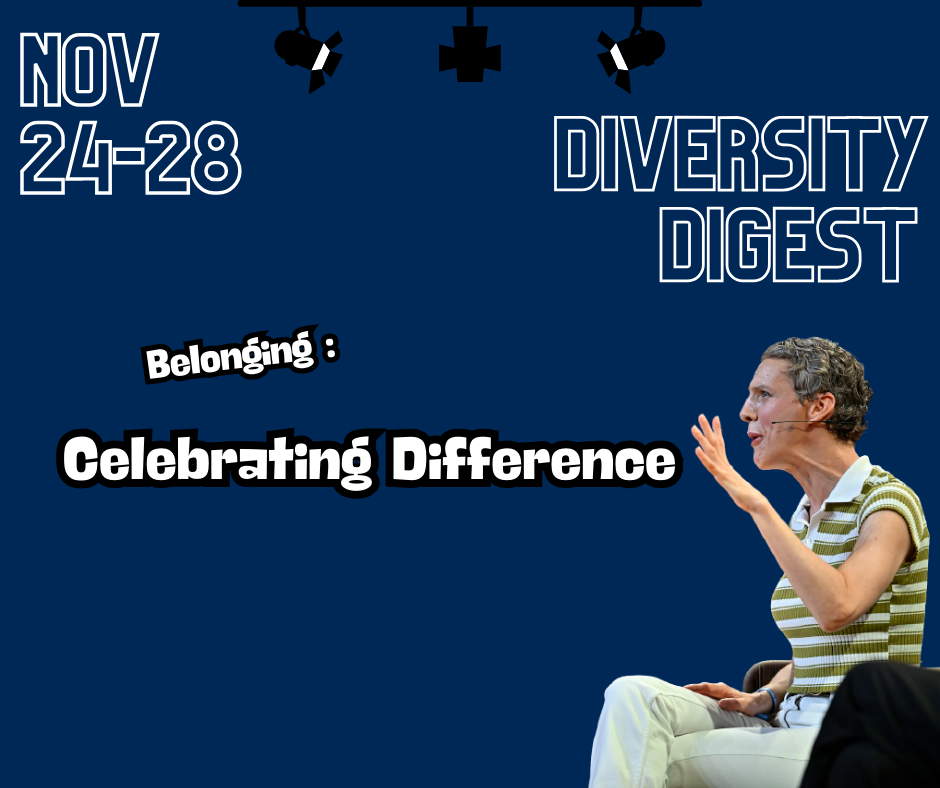
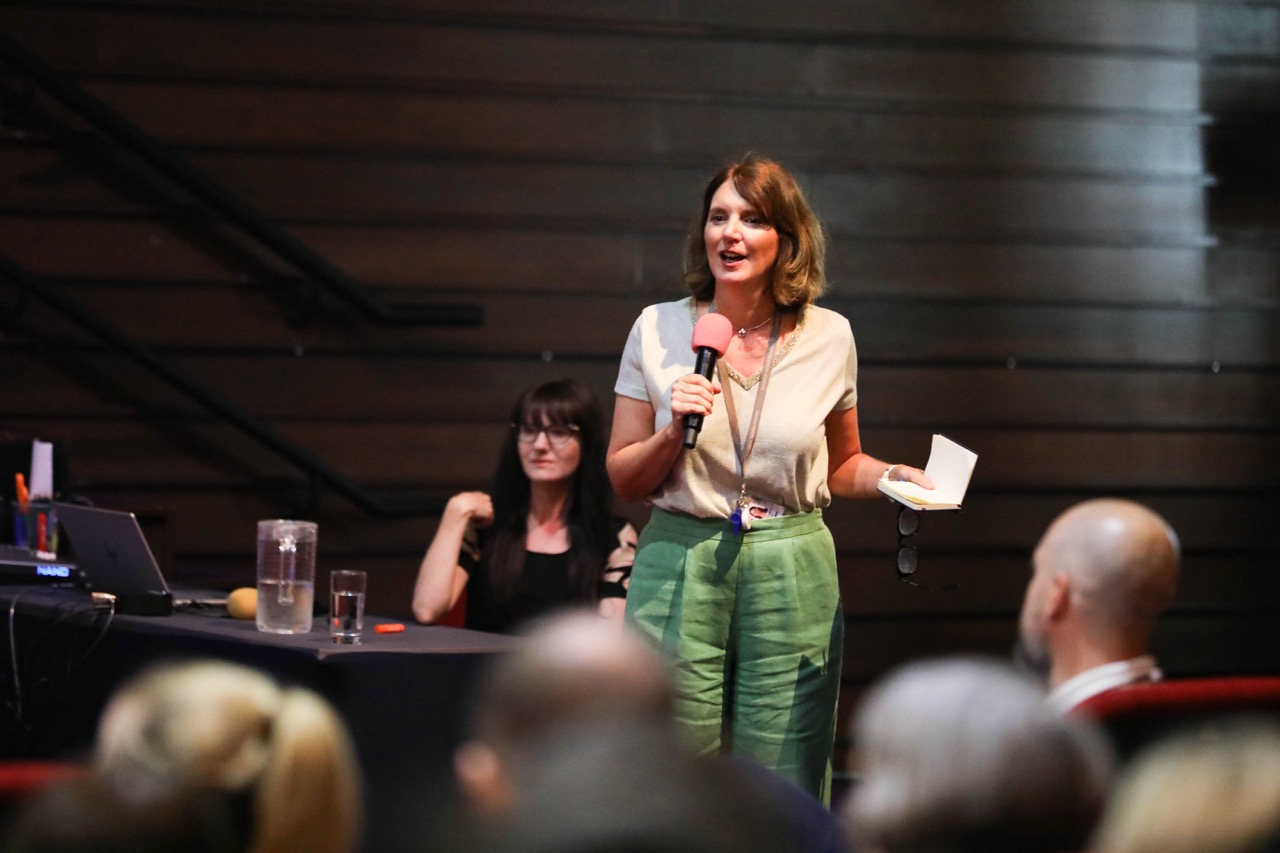
At the recent Thailand Festival of Education, one of the standout keynotes was delivered by actress, playwright, author and comedian Francesca Martinez (best known for her childhood role in the UK classic Grange Hill).
Born with cerebral palsy, or ‘wobbly’ as she describes herself, Francesca used humour and insight to challenge society’s obsession with conformity and invited us all to join her “wobbly revolution”: a world where we stop pretending to be the same, stop apologizing for being different and start seeing difference as life itself.
She highlighted how absurd society makes it to be different, reminding us that human diversity is both natural and necessary, yet our systems often treat it as something to be fixed or feared. Isn’t that what we want for our students: to grow up free in who they are, without that constant need to check if they’re “doing it right.”
Francesca urged us to reframe how we see ourselves and others, to recognise that no student is normal, and that education and inclusion are journeys rather than destinations. As she powerfully put it, “We need wobbly systems because we all need to be ourselves.”
She left us with a final reminder, that courage isn’t always loud. Sometimes it’s simply the quiet decision to be yourself, again and again.
This month’s theme: Characters with Kindness. In a month where we celebrate International Kindness Day, International Children’s Day, International Men’s […]
This month’s theme: Characters with Kindness. In a month where we celebrate International Kindness Day, International Children’s Day, International Men’s […]
A few weeks ago, the Theatre was transformed into a vibrant rainforest as Year 5 students took to the stage […]
Important Safety Alert: Motorbike Taxi Use by Students
The school has noticed an increase in the number of students using motorbike taxis to travel to and from school without helmets. While these rides are convenient, they can also be risky if safety measures are ignored. We urge parents and students to prioritise safety at all times.
Safety Guidelines for Students
Always Wear a Helmet
Ask for a helmet and ensure it fits properly. It’s your best protection.
Avoid Distractions
Do not use your phone while riding. Stay alert to traffic and surroundings.
Don’t Overload
Only one passenger per motorbike taxi. Overloading is dangerous and illegal.
Plan Safe Routes
Choose well-lit, safe roads. Avoid shortcuts through isolated areas.
Speak Up About Speeding
If the rider is going too fast or breaking rules, ask them to slow down.
Secure Your Belongings
Keep bags close and avoid dangling straps that can get caught in wheels.
Avoid Riding in Bad Weather
Rain and slippery roads increase accident risk. Wait for safer conditions if possible.
Parents: Please discuss these safety tips with your children and encourage them to make responsible choices. Safety is a shared responsibility
This month’s theme: Characters with Kindness. In a month where we celebrate International Kindness Day, International Children’s Day, International Men’s […]
As part of our whole-school work on universal projects, we have introduced a new Teaching and Learning Policy this year. […]
Patana Page-Turners
This month’s theme: Characters with Kindness. In a month where we celebrate International Kindness Day, International Children’s Day, International Men’s Day, Armistice Day and Thanksgiving, focusing on those fictional characters that exemplify the quality of ‘kindness’, seems a good way to celebrate a common thread. We looked for stories that explored kindness in all its forms: words, thoughts and deeds.
Interview with Carly Peart, Cross Campus Vice Principal, Professional Learning:
What is one of your fondest or most favourite reading memories?
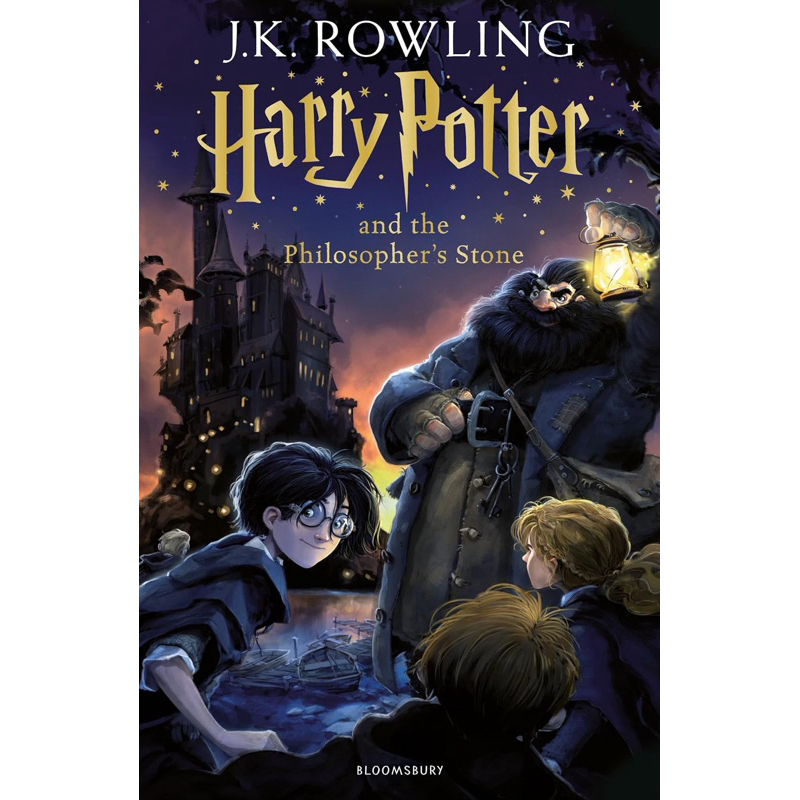
Reading was always a huge part of my childhood, as both my parents were prolific readers, but my fondest memory has to be unwittingly helping to unlock my brother’s love of learning. He was diagnosed with dyslexia at a young age and often found reading difficult, so it wasn’t something he willingly chose to do. When I was gifted the first three books of what was then an unheard-of series, Harry Potter, I devoured them and thought he might enjoy the fantasy element. He begrudgingly picked up the first one, and after that, there was no stopping him. He’s now arguably the most voracious reader in our family, and to this day, we still love sharing our latest reads with one another.
Which fictional character would most like/least like to meet in real life and why?
I would love to meet Henry, one of the main character’s in The Time Traveller’s Wife by Audrey Niffenegger. One of my favourite books of all time, the idea of time travel has always captivated me, but Henry’s tale highlights the challenges and heartache that can come from moving backward and forward in time, and the fact there’s actually something beautiful and magical in not knowing what your future holds. e to mind:
What Characters with Kindness come to mind for you? Do you have any book suggestions for this theme?
Oh, the BFG for sure! Kindness is literally in his name (the Big Friendly Giant, for those unfamiliar). Roald Dahl had a wicked sense of humour, that ran through many of his characters, yet he also created some who were kindness personified: the BFG himself, Miss Honey from Matilda, and Charlie Bucket from Charlie and the Chocolate Factory. Winnie the Pooh is another timeless example; gentle, loyal, and endlessly kind. As a Primary teacher, my default tends to be children’s book characters, but I think that’s because their kindness is often so pure and uncomplicated. In adult fiction, characters can be just as kind, but it’s often layered beneath more complex personalities or storylines, making it less immediately visible, though no less meaningful.
Foundation Stage and Key Stage 1 Recommendations
Ms Nadia, FS1 Class Teacher
Elephant and Piggie series by Mo Willems
In Foundation Stage, we are big fans of the Elephant and Piggie series by Mo Willems. The colour-coded speech bubbles are a lovely visual tool to support children’s understanding of back-and-forth conversations and asking questions. The illustrations and playful text layout offer lots of opportunities for children to infer how the characters are feeling, which helps to begin conversations about emotions.
One story we’ve particularly enjoyed is My New Friend is So Fun!, in which Gerald the elephant worries that Piggie might have found a new best friend. This storyline resonates with many of our four-year-olds, who are beginning to navigate new friendships. It reassures children that friends can play with others and still care about them just the same, making it a great starting point for discussions around kindness and sharing.
Mr Flan, Year 2 class teacher
Have You Filled A Bucket Today? by Carol McCloud
Using child friendly illustrations and gentle prose, Have You Filled a Bucket Today? encourages readers to engage in positive behavior by “filling buckets”—a metaphor for showing love, appreciation, and kindness to others. Every person carries an invisible bucket that holds their feelings. When we do something kind, we fill someone else’s bucket, and our own. When we are mean or hurtful, we dip from buckets, leaving others and ourselves feeling empty.
The story helps young readers understand emotional well-being and the impact of their actions, promoting empathy, generosity, and self-awareness. The concept of “bucket dipping” is introduced as a way to recognise negative behavior—not as a label, but as something that can be changed through thoughtful choices.
Key Stage 2 Recommendations:
Mia Hariz, 6D
The School For Good And Evil by Soman Chainani
In this first book of this series, Agatha’s life is changed when she meets Sophie, who befriends her with small talk and (terrible tasting) biscuits. Sophie is the first person to believe in Agatha and this is the reason why later on, Agatha forgives Sophie (even though she tried to destroy the whole school and all the people in it), for being evil. Agatha gives up her chance of a happy ending, with a prince (!), for the girl who tried to kill her. No matter what happens, she keeps seeing through the evil, and bringing out the best in her rebel friend.
Verity Kavanagh, 6D
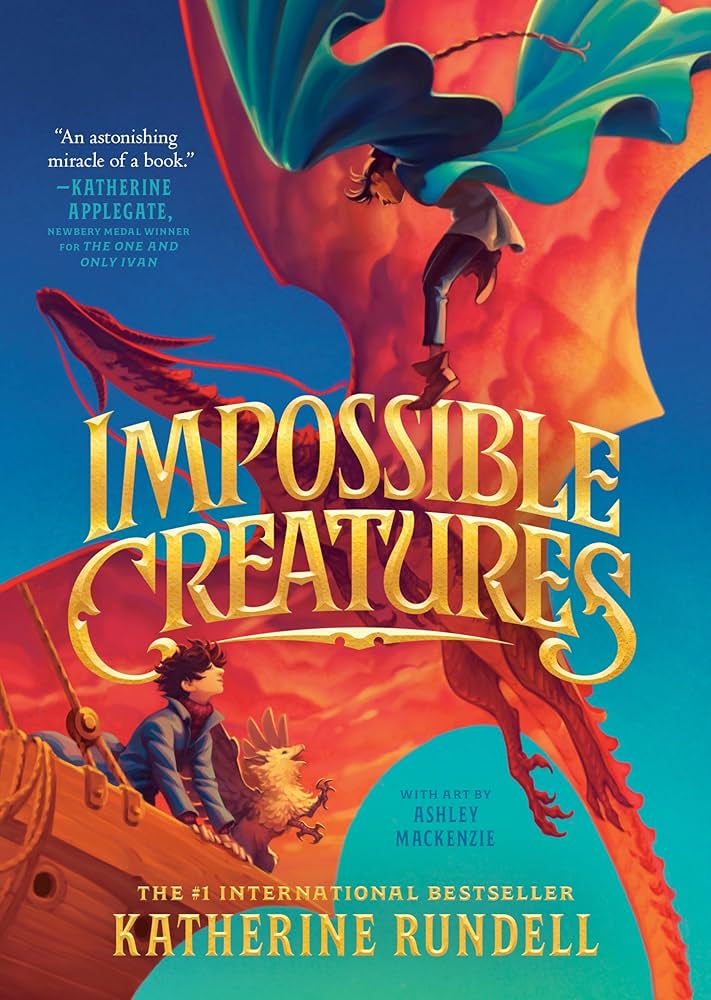
Impossible Creatures by Katherine Rundell
Fidens Nighthand in Impossible Creatures is a Berserker, a kind of person who feels no pain and will protect the Immortal at all costs. He is gruff and tough and a little bit scary. However, as the story goes on, we find out that inside he is really kind and will protect others, not just the Immortal. He shows that anyone can be kind, even if they don’t look it on the outside.
Key Stage 3 Recommendations:
Katie Chatterton-Bull (Year 8 English teacher)
The Little Prince by Antoine de Saint-Exupéry
The Little Prince follows a tiny, curious prince who travels from planet to planet and eventually crash-lands on Earth, where he befriends a stranded pilot. Each character he meets, from a vain man to a snake to a wise fox, teaches him something new about friendship, love, and what really matters. Fun fact: Antoine de Saint-Exupéry wasn’t just an author, he was an actual pilot who wrote the book while exiled in the U.S. during World War II. His flying experiences and sense of wonder for the world heavily inspired the story, and the pilot in the book is based on himself. The mix of adventure, danger, and loneliness from his real life gives the story its magical, but thoughtful vibe.
At its heart, the story teaches that kindness means seeing people properly, not just what they look like on the outside. Through the Prince’s gentle curiosity and the fox’s famous lesson (‘You become responsible, forever, for what you have tamed’), the book reminds readers that empathy, loyalty, and caring for others make life meaningful.
The Christmas Horse Rescue by Laura Ashwood
The Christmas Horse Rescue is one of those cosy, feel-good stories that’s perfect for when the weather gets colder and you want something heartwarming. It follows a group of children who discover a neglected horse, just before Christmas. Determined to help, they team up with family and neighbours to nurse the horse back to health, and in the process, they pull their whole community together. There are festive lights, snowy scenes, and plenty of ‘aww’ moments that make it an ideal December read.
This book is bursting with kindness: the kids show empathy and courage, the adults rally together, and even small acts of care end up making a huge difference. It shows that kindness doesn’t have to be grand or dramatic, sometimes it’s simply noticing someone (or some horse) in need and choosing to help. It’s a gentle reminder that compassion can spark hope, especially around Christmas.
Key stage 4 and Senior Studies Recommendations:
Ellie Kim, 13Y
Looking for Alaska by John Green
This young adult book is a well-known, coming of age novel that follows Miles Halter, a teenage boy looking to seek ‘The Great Perhaps’ and quell his obsession with famous last words. He attends his first year at Culver Creek Boarding School and meets Alaska Young, a girl living on the edge – the stereotypical manic pixie dream girl. The novel starts as a simple story revolving around the normal lives of a group of teenagers, but evolves into a much deeper storyline about mental health, love, friendship, loyalty, and grief. Miles tries his hardest to understand Alaska and we, as readers, are drawn to him because he reacts with shy and gentle kindness, a trait that is rarely portrayed in teenage boy characters.
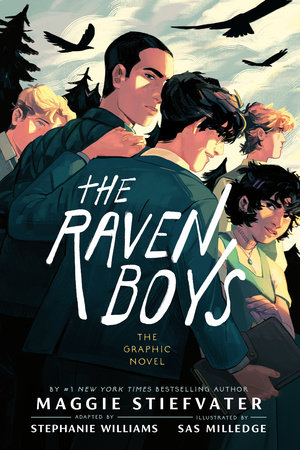
The Raven Boys by Maggie Stiefvater
This is the first book of ‘The Raven Cycle’, a series which follows a group of boys (Adam, Gansey, Ronan, and Noah) and Blue Sargent, a non-clairvoyant from a family of psychics. The story joins the five teenagers on a quest to find the long-lost tomb of an ancient Welsh king and explores themes such as ‘found family’ (the main driver for the series) love, friendship, death, fate versus free will, and socio-economic status. This book fits into the theme of kindness because of
Noah Czerny. Out of the four Raven Boys, Noah is the one we know the least about. He is seen in less chapters than the others, and his backstory is explored slowly throughout the series. However, despite all this, the one trait that Noah embodies is kindness. He warms up to Blue instantly, invites her everywhere, and connects with her more quickly than the other characters.
Selma Andersen, 12W
The Secret Garden by Frances Hodgson Burnett
This novel follows the story of two young people: a spoilt girl called Mary Lennox, who is sent to live with her uncle in Yorkshire, England, and a boy named Colin Craven who is bedridden, sick and deeply lonely. Mary discovers a secret garden, and through this, develops a capacity for kindness, by taking care of the garden. This develops her ability to care for something other than herself and blossom into a kinder and better person. Moreover, through Colin, the story shows how acts of kindness and encouragement from others ignite strength, joy and the ability to keep going on with life.
Adventure, teamwork and breathtaking views – that’s what awaited our students on their recent journey to Sai Kung National Park, […]
(I)GCSE Languages
By Celine Courenq, Head of Faculty, World Languages
If your child in Year 9, 10 or 11 studies a language outside of school, either a Home Language or a Foreign Language, and would like to consider taking an (I)GCSE exam in that language this academic year, do contact Celine Courenq, Head of Faculty World Languages (ceco@patana.ac.th) before 12th December.
In your email, please include:
– the full name of your child -his/her tutor group -the language they wish to be entered for – the syllabus code of the exam (for example” Cambridge IGCSE Chinese – Second Language (0523)”)
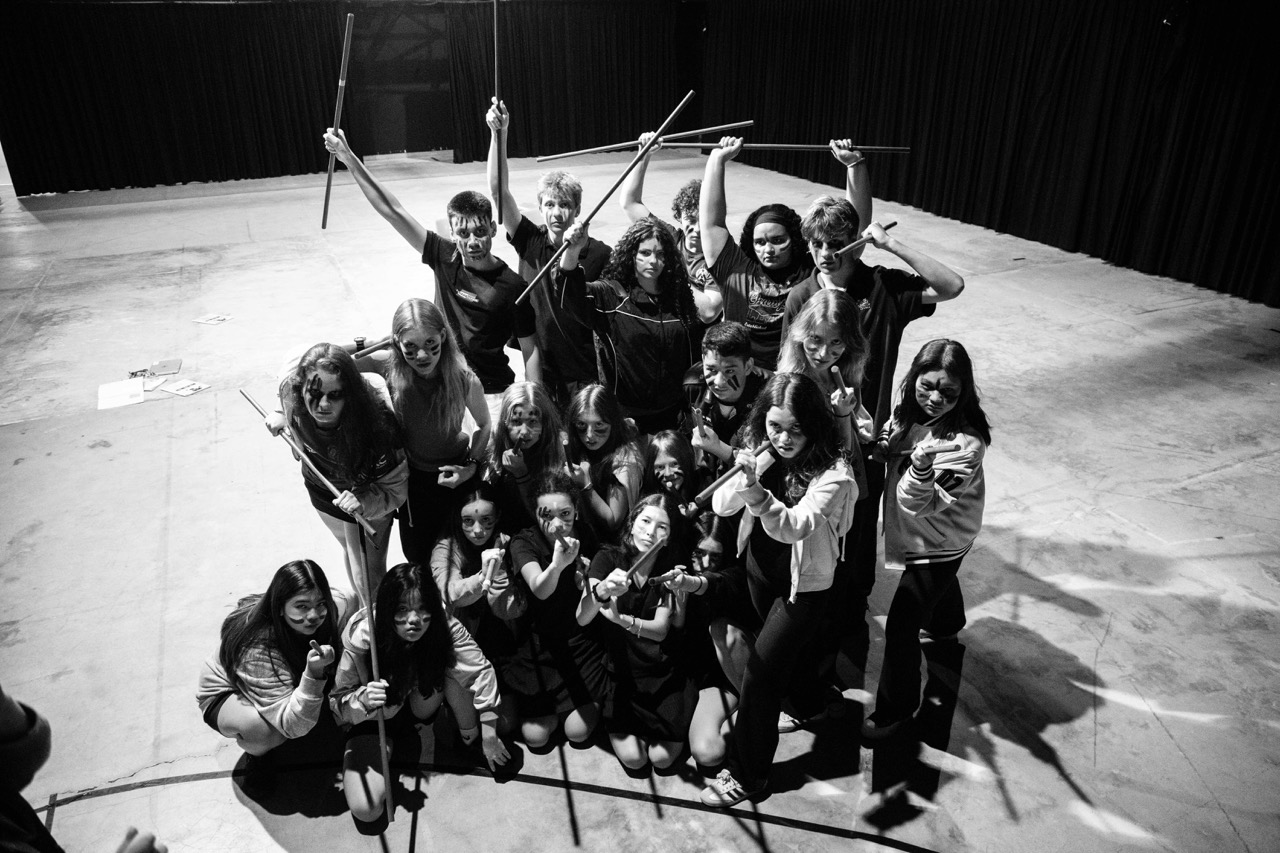
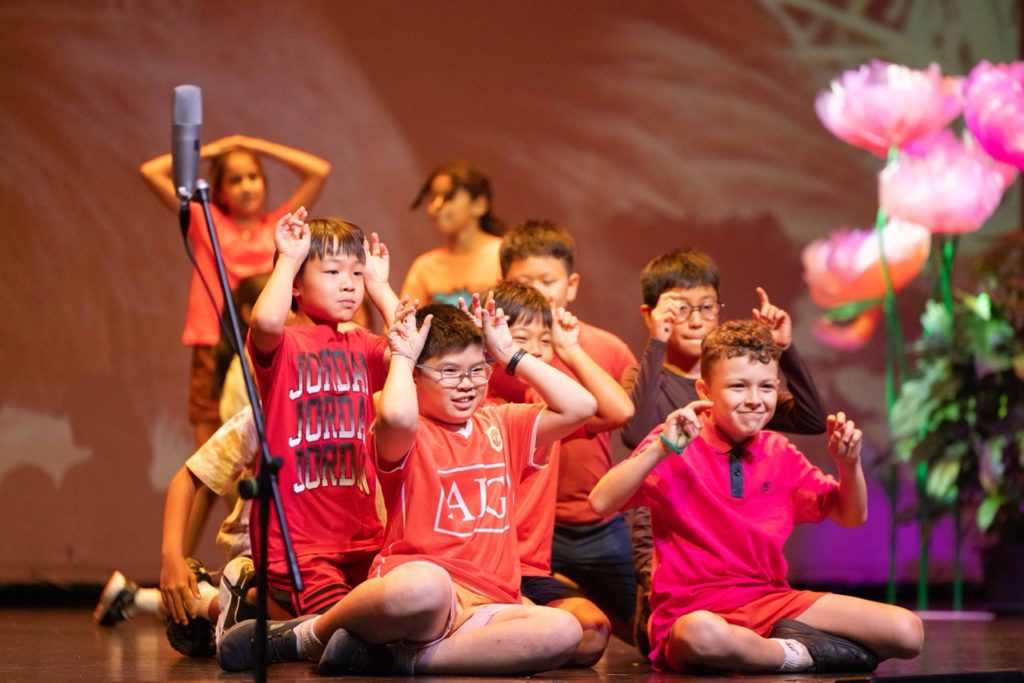
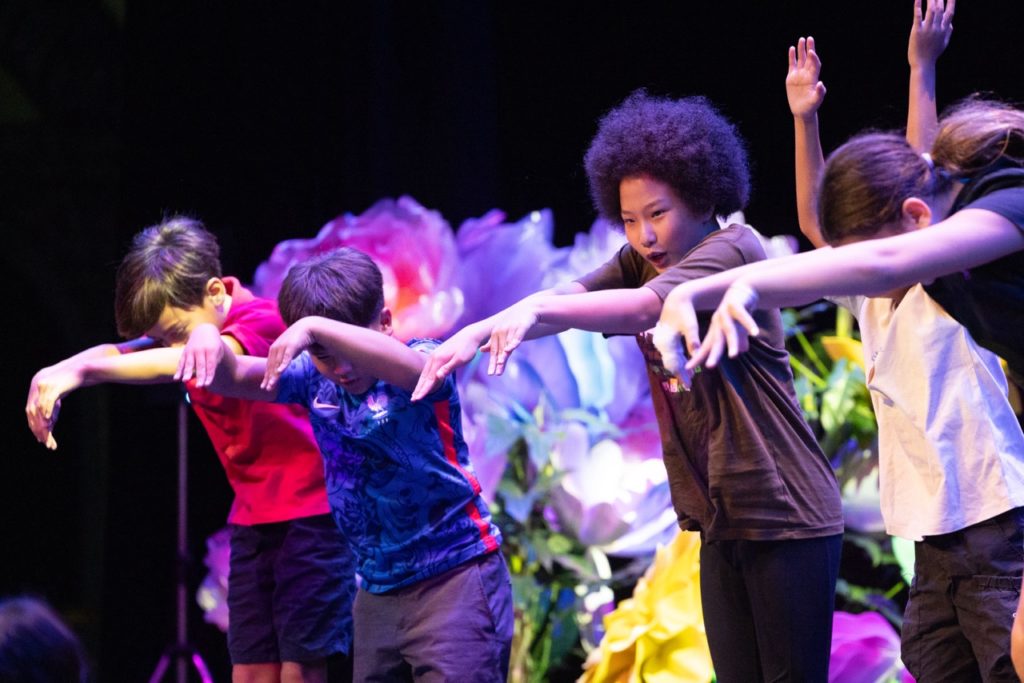
A few weeks ago, the Theatre was transformed into a vibrant rainforest as Year 5 students took to the stage for their Rainforest Poetry Recital. Parents and a selection of Year 6 students filled the seats, ready to be transported into the tropical world the children had created through their words, movement and sound.
The children had been exploring how poets use imagery, rhythm and sound to capture mood and atmosphere. Inspired by their rainforest learning, they crafted poems that combined rich description with powerful emotion. Each class selected one poem to perform as a group, allowing every student to contribute to bringing their shared piece to life.
Working with Ms Alexa, Primary Drama teacher, students rehearsed their performances, learning how to project their voices, vary their tone and use gesture to express meaning. These sessions helped them develop confidence, teamwork and an appreciation of how spoken language can move an audience.
The Theatre itself reflected the theme beautifully. Flowers and greenery framed the stage, creating a sense of stepping into the rainforest. The children’s clothing added to the atmosphere — some wore shades of green, others bright tropical colours and one class chose striking black outfits to symbolise the shadowy depths of the forest floor. When the lights dimmed and the performances began, the audience was immersed in a world of rustling leaves, tropical rains and birdsong.
Each class brought its own interpretation and energy to the recital. Some performances were rhythmic and bold, others soft and reflective, but all were unified by a shared enthusiasm and respect for the natural world. A particular highlight was a humorous poem told from the perspective of an orangutan, who enthusiastically described the joys of snacking on ants — a performance that sparked delighted laughter from the audience and showed the children’s talent for blending scientific knowledge with playful creativity.
The judging panel, made up of teachers from both the Primary and Secondary Schools, praised the students for their confident performances and creative choices. They commented on how clearly the children communicated emotion and meaning and how effectively they worked together to transform written poems into living, breathing pieces of art. Their feedback was full of admiration for the students’ imagination and teamwork.
As the final group took their bow, the applause filled the theatre. Smiles and proud faces could be seen everywhere – among the performers, the audience and their teachers. The recital was not only a showcase of performance skills but also a celebration of creativity, collaboration and the joy of learning.
Through their poetry, the Year 5 students reminded everyone present of the beauty and importance of the rainforest, and of the power of words to inspire and connect. It was a memorable afternoon that captured the heart of what learning at Patana is all about: curiosity, creativity and confidence.
Teaching and Learning at Patana: Bringing Our New Principles to Life
By Sarah McCormack, Primary Principal
As part of our whole-school work on universal projects, we have introduced a new Teaching and Learning Policy this year. At the heart of this policy is our shared aspiration. Teaching that inspires, learning that matters and growth that lasts. This ambition guides the way we design learning for every child at Bangkok Patana.
To support this work, middle leaders from Primary and Secondary are meeting throughout the year in cross-disciplinary groups. They are exploring how the Teaching and Learning Principles can be strengthened in every subject and age phase, and how to celebrate the excellent practice already taking place across the school.
This week, the group also spent time examining the principles through the lens of AI. The focus was on how technology might enhance learning when used thoughtfully and deepen the way we plan, teach and reflect.
Here are the ideas they explored, each linked to one of our six principles.
Rooted. Using AI to help check whether planning stays aligned with our values and guiding statements, ensuring purpose is always clear.
Relational. Exploring how AI can support collaboration within teaching teams by helping generate shared resources and streamline communication.
Responsive. Looking at how AI might draw together student information in helpful ways, enabling teachers to tailor learning more quickly.
Relevant. Using AI to bring in real-world examples and meaningful contexts to help students see the purpose behind their learning.
Rigorous. Treating AI as a critical friend that can test ideas in planning and help increase the level of challenge where needed.
Reflective. Exploring AI tools that can create models or images of student work to support constructive conversations about progress and next steps.
These discussions highlighted how AI, when used responsibly and with care, can help integrate our teaching and learning practices and encourage us to think differently about how we design the best possible experiences for our students.
We look forward to sharing more of this work as the year continues!
Yutaka Crowned World Champion in Jiu-Jitsu No-Gi Division By Michiko, Parent Yutaka has claimed the title of World Champion in […]
Australian Alumni Award to Bangkok Patana Teacher and Alum
Purnima Ghogar, Secondary English Teacher
I am truly honoured to receive an award recognising my role as Lead of the University of Melbourne Alumni Network in Thailand, as well as for outstanding professional accomplishments and continued contributions to the Australian global alumni community, at the Australian Alumni Awards 2025, presented by the Australian Alumni Association (Thailand) (AAA) and presided over by Dr Angela Macdonald PSM, Australian Ambassador to Thailand.
The ceremony, held at the Hyatt Regency Bangkok Sukhumvit, was beautifully organised, with an inspiring programme that celebrated the positive impact Australian alumni continue to make across Thailand.
As a humbled and grateful recipient of the Young Alumni Award in 2018, being invited back to the AAA Thailand awards event is a reminder – to me and to the world – that when we use our education to uplift others and address global challenges with creativity, innovation and unity, we truly can make a meaningful difference. I am incredibly proud to represent the shared values and cooperation of both nations, and to support this community of changemakers as we work together – locally and globally – to build a better future, with Australian education as a pillar of personal and professional success.
My thanks to Khun Laksasubha Kridakon, President of the AAA (Thailand); her inspiring work and leadership continues to build bridges, create opportunities for Australian alumni to advance our societies, and empower us to make lasting impact. An immense thank you also to the entire AAA organising team, and the Australian Embassy for their dedication and passionate commitment to strengthening our Australian alumni community. And of course, my heartfelt gratitude goes to Bangkok Patana for your constant encouragement and support, serving as the gold standard of international education in all my professional endeavours, both as an alumnus and as a Secondary English teacher at this incredible school.
It was also wonderful connecting with fellow Leads representing Australian universities across Thailand. We are excited for future collaborations and collective initiatives that can uplift our communities.
A huge congratulations to all the incredible award winners – their achievements embody the innovation, passion and global citizenship at the heart of the Australian alumni community.
If any of our Bangkok Patana students are planning to attend the University of Melbourne, or are already alumni, they are welcome to connect with me and join the Melbourne University Alumni Network in Thailand once they graduate. I lead the network, and more information can be found on the University’s official alumni page and on the Melbourne University Thailand Alumni Network group on LinkedIn.
Term 2 School Fees Invoices for School fee for Term 2 – 2025/26 were issued on 4th November 2025. If you have not received your […]
Community Engagement at Bangkok Patana: Interact CAT Club
By Jiwon (Amber) Lee, Year 13
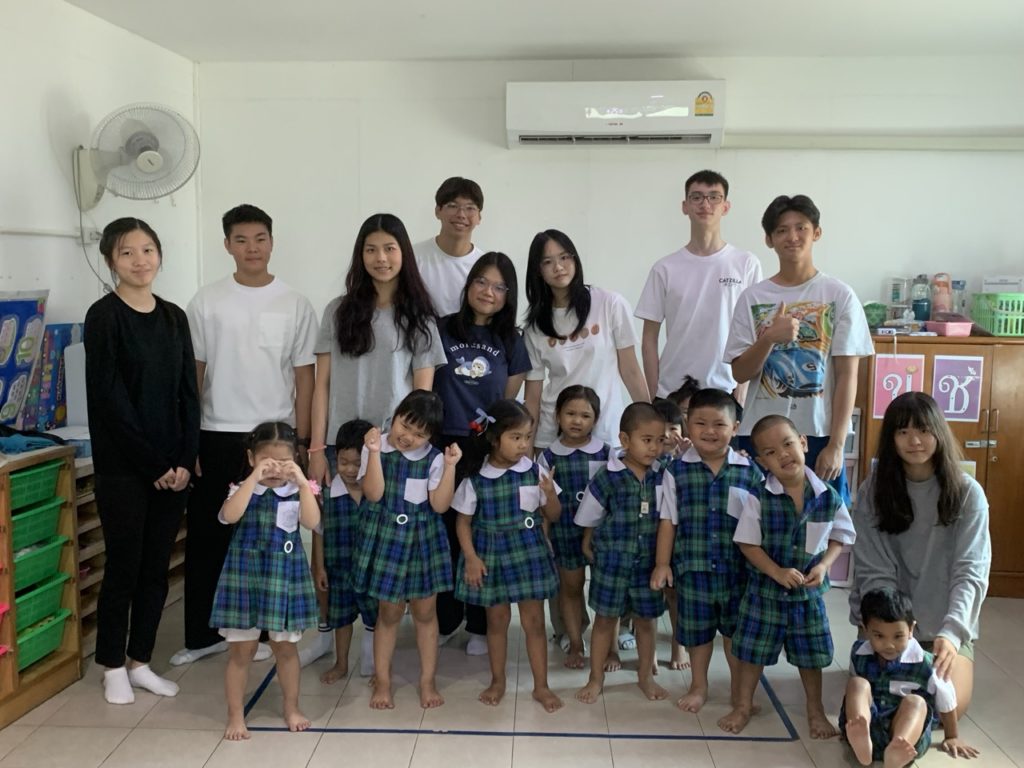
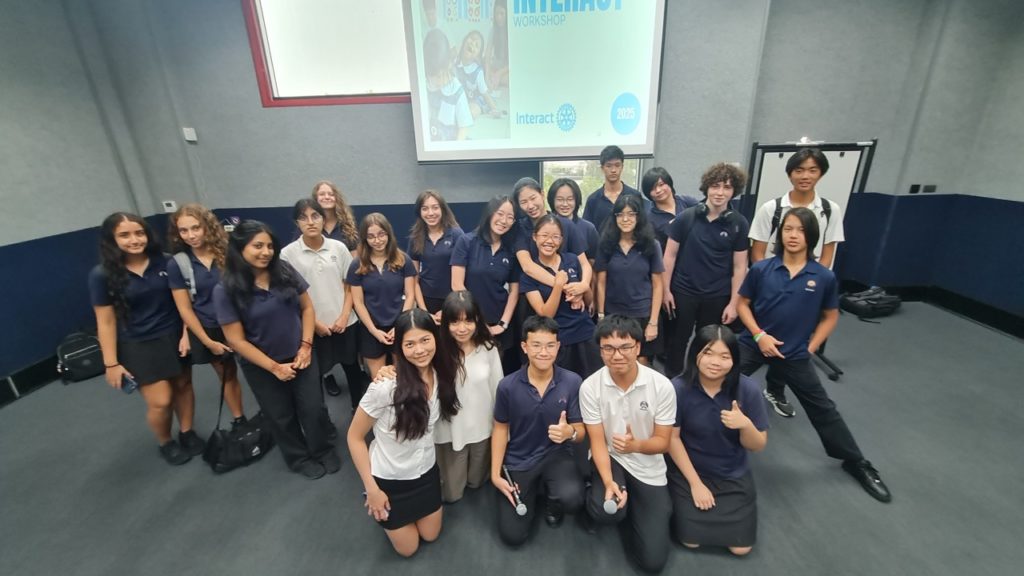
The Interact Club is one of the oldest CAT clubs in Secondary School, and it is also funded by Rotary international. The Club aims to “interact” with our local community in various ways; this year mainly focusing on education in our community.
Since the start of this academic year, Interact has participated in many activities, from working with other schools in the servICE conference, fundraising bake-sales and our self-organised trips to the Home of Praise daycare center.
In early September 2025, our school hosted a Community Engagement fair, where we set up a booth to raise awareness of the importance of our global issue, children’ s education inequality, as well as our goals and initiatives to the Secondary School students. Later that month, our club leaders, Clara and Amber, represented us at servICE Conference, an event where student leaders of community engagement clubs from international schools across Bangkok come together to exchange ideas, discuss their initiatives and plan future projects.
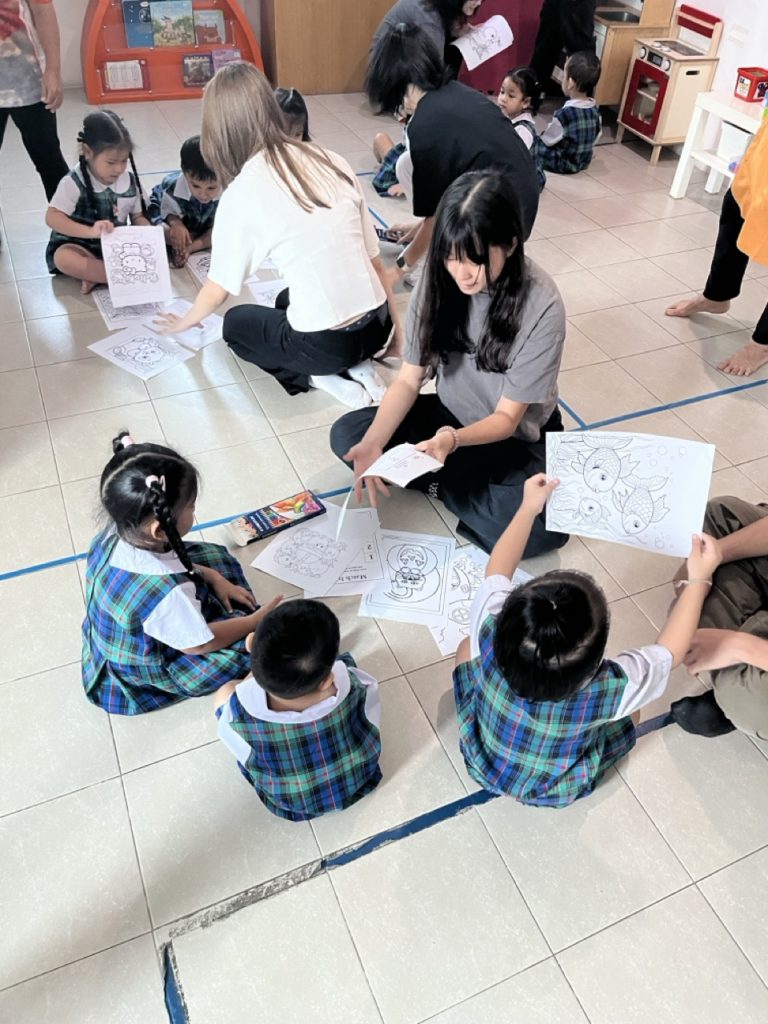
During the Home of Praise daycare centre trip, some members of Interact assisted the Home of Praise by running a session focused on early years English education, for children between the ages of 3-5. They carried out activities that focused on developing the children’s vocabulary and literacy skills, while also keeping these lessons engaging. We integrated active games between the more focused parts of the session, such as Red Light Green Light, so the children could stay energised and engaged throughout the entire experience. Overall, the trip was enjoyable for the members and a meaningful experience for the Interact Club. It was a genuine pleasure to work with the bright and eager children at Home of Praise. It also demonstrated noticeable improvements in organisation and coordination compared to the previous visit last year, with a more streamlined process thanks to our experience with running the trip.
Last academic year, Interact initiated many activities. These included participation in community engagement or impact fairs, student led workshops, self-organised volunteering trips to Home of Praise, team bonding activities, fundraising events at Bangkok Patana such as Patana Plugged or the Christmas Concert. Through the year, we raised roughly THB 20,000 excluding Rotary funds.
Looking into the future, some members suggested working with older children to broaden the range of our activities above simple vocabulary, and being able to engage in conversation to actively practice the children’ s verbal skills. Members also recommended sticking more closely to the planned schedule and exploring opportunities to collaborate with other daycares or community engagement clubs. By doing so, Interact could expand its support and involvement with different clubs in Bangkok Patana School or even other clubs in other schools around Bangkok.
If you’re interested in following up with more information about our clubs activities, please follow our instagram page ‘bps_interact’ where there are frequent updates, posts and vlogs of our initiatives!
What book do you recommend and why? Strange the Dreamer by Laini Taylor, because encourages the readers to dream […]
Year 11 Adventurers Take on Hong Kong’s Wild Side for DOEIA Silver Award
By Scott Tooley, Head of Faculty, Mathematics with reports from the participating students
Adventure, teamwork and breathtaking views – that’s what awaited our students on their recent journey to Sai Kung National Park, Hong Kong, as part of the Duke of Edinburgh’s International Award (Silver level).
This challenge was months in the making. After practice hikes and careful planning, the group set off for a three-day trek across rugged terrain, pushing themselves to new limits.
Three Days of Adventure
Day One: The trek began with a hike to a beachside campsite. Tents were pitched right by the ocean, and the group fell asleep under a canopy of stars – a magical start to the adventure!
Day Two: The toughest day. Students scaled Sharp Peak, the highest mountain in the region, climbing from sea level to 490 metres. “It was hard, but the views made it worth it,” they said.
Day Three: The final stretch saw the team hike back to their starting point, tired but triumphant.
Meals were simple but hearty – pasta dishes like four-cheese risotto and bolognese. There was even a surprise visitor! “We left bread on the floor for five minutes, and a wild boar ate it! That meant barely any lunch the next day,” laughed the group.
Lessons Learned
Their advice for future trekkers?
Take breaks – but not too long, or you’ll arrive at camp after dark.
Pack plenty of trail snacks.
And the highlight?
“The views – whether from Sharp Peak or along the beach – were incredible.”
Well done to this group of students who took a challenging route to develop resilience, learn more about teamwork and make some unforgettable memories.
The school has noticed an increase in the number of students using motorbike taxis to travel to and from school […]
Patana Participates
Yutaka Crowned World Champion in Jiu-Jitsu No-Gi Division
By Michiko, Parent
Yutaka has claimed the title of World Champion in the No-Gi 77kg category marking a defining moment in his athletic career. His victory was the result of months of disciplined preparation, including a focused effort to shed 9 kilograms in the lead-up to the championship.
Congratulations Yutaka!
7th AUAP Student English Speech Competition
By Monchaya Khuptawinthu, Parent
Alpha secured first place at the 7th AUAP Student English Speech Competition, hosted by the Association of Universities of Asia and the Pacific. Congratulations Alpha!
Thailand International Music Competition 2025
By Piyada V, Parent
Alpha Young from Y10T has received a Gold Medal at TIMC 2025 for his piano performance. Congratulations Alpha!
This month’s theme: Characters with Kindness. In a month where we celebrate International Kindness Day, International Children’s Day, International Men’s […]
School Announcements and Upcoming Events
Term 2 School Fees
Invoices for School fee for Term 2 – 2025/26 were issued on 4th November 2025. If you have not received your invoice, please contact the Accounting Department or send an email to accounts@patana.ac.th Please note that the payment due date is 4th December 2025. Payments received after this date will incur a late payment charge of 1% per month.
Important: Certificate of Enrolment and Visa Documentation Requests for Christmas Break
If you require documentation from the school to support visa applications or extensions over the Christmas break, please request this as soon as possible. To do so, kindly complete the online request form via the Parents’ Gateway: Document Request from Admissions.
Please note that we require at least 3 working days to process these requests. The final date to request certified letters or documentation for visa extensions is Tuesday 16th December 2025.
Kindly be aware that no requests can be processed between 24th December 2025 – 5th January 2026. The Admissions Office will be open to support new requests starting from 6th January 2026.
This month’s theme: Characters with Kindness. In a month where we celebrate International Kindness Day, International Children’s Day, International Men’s […]